Wellness Hub · Evidence-Based Guide
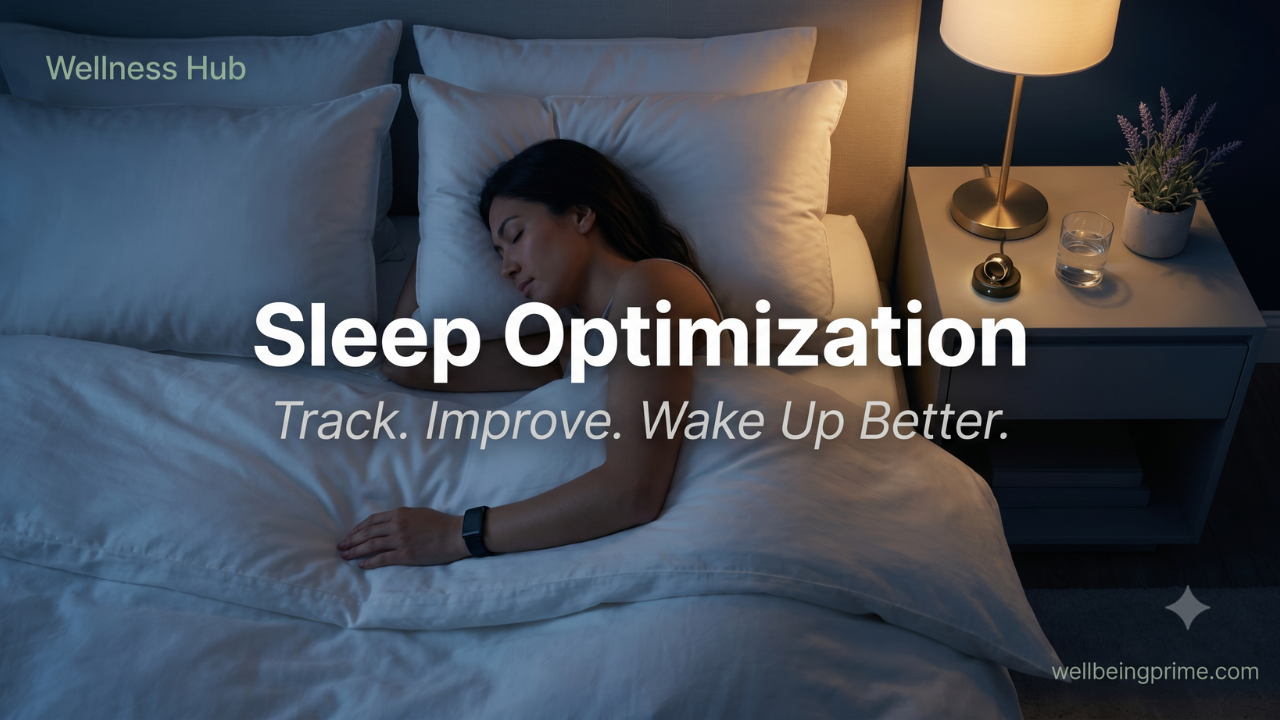
Sleep Optimization: The Science of Turning Rest Into Your Most Powerful Performance Tool
You spend roughly one-third of your life asleep. The question is not whether that time matters — it’s whether you’re making it work as hard as the other two-thirds.
Something quietly seismic has happened in the wellness world over the past few years. Sleep — once dismissed as a passive, even lazy interlude between productive hours — has been reborn as the ultimate performance enhancer, longevity lever, and mental health anchor. From Silicon Valley biohackers to Olympic sports scientists, the consensus is now unanimous: optimized sleep is not a luxury. It is the biological foundation upon which everything else you care about — your focus, your mood, your metabolism, your immune resilience, your emotional intelligence — is built.
And yet, global sleep quality is in freefall. The American Sleep Association estimates that 50 to 70 million US adults suffer from a sleep disorder. Chronic sleep deprivation has been linked to everything from cardiovascular disease and type 2 diabetes to accelerated cognitive decline. The irony is almost brutal: we are living in the golden age of sleep science, with more tools, more research, and more collective awareness than ever before — and still, most people wake up exhausted.
This guide cuts through the noise. No gimmicks, no pseudoscience, no generic “go to bed earlier” advice. What follows is a deep, evidence-rooted, and genuinely actionable exploration of how sleep works at the biological level, what modern tracking technology reveals, which evidence-backed nutrients actually move the needle, and how to architect a nightly routine that transforms your sleep from something that just happens to you into a deliberate, optimized practice.
The Architecture of Sleep: What’s Actually Happening Inside Your Brain
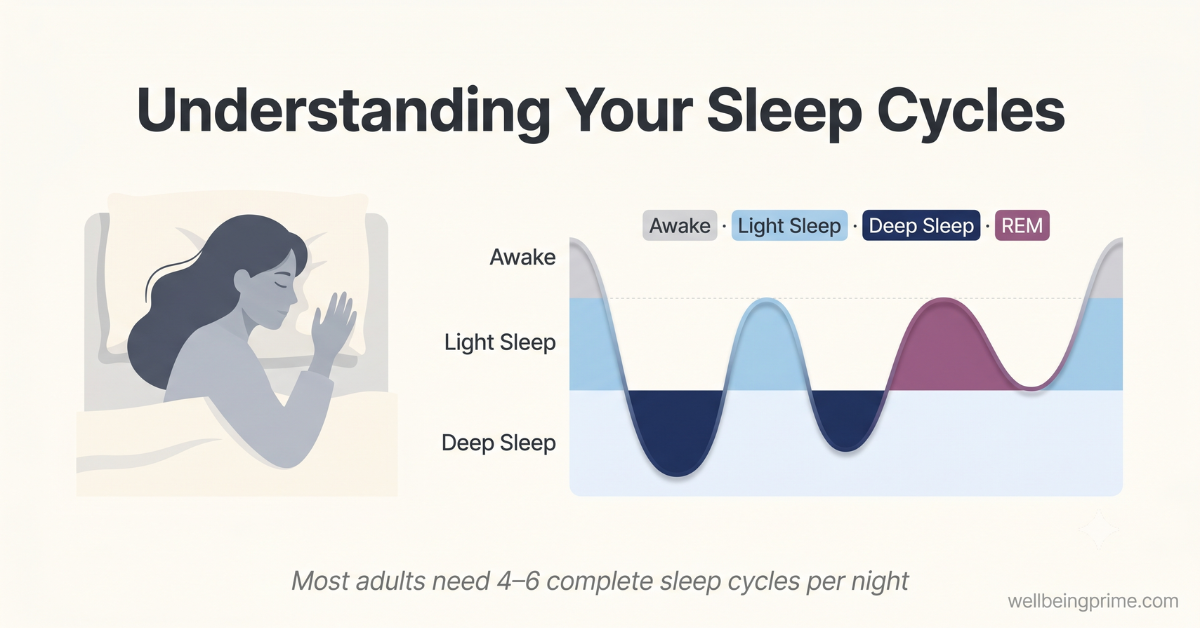
Most people imagine sleep as a single, undifferentiated state — a dimmer switch that simply turns off the brain. Neuroscience tells a dramatically different story. Sleep is a precisely choreographed biological performance, cycling through four distinct stages roughly every 90 minutes throughout the night, each serving radically different and irreplaceable physiological functions.
Stage 1 & 2: The Gateway to Recovery
Light sleep stages serve as the transitional threshold between wakefulness and deep restoration. During Stage 2, your brain begins producing sleep spindles — short, explosive bursts of neural activity that are now understood to play a critical role in motor learning, memory consolidation, and even immune regulation. A 2019 study published in Nature Human Behaviour found that sleep spindle density correlates directly with IQ and learning efficiency. This is not downtime. This is neurological maintenance at its finest.
Stage 3: Slow-Wave Deep Sleep — The Repair State
Slow-wave sleep (SWS) is where the body performs its most dramatic physical restoration. Human growth hormone — responsible for tissue repair, muscle synthesis, and fat metabolism — is secreted almost exclusively during SWS. The glymphatic system, the brain’s waste-clearance network, operates at up to ten times its daytime capacity during this stage, flushing out amyloid-beta plaques now associated with Alzheimer’s disease. Dr. Matthew Walker, neuroscientist and author of Why We Sleep, has described insufficient deep sleep as “the greatest public health challenge we face in the 21st century that is perhaps least recognized.” Those are not words chosen lightly.
REM Sleep: The Emotional Intelligence Stage
Rapid Eye Movement sleep is where dreaming occurs, but its significance runs far deeper than the cinematic oddities of your dreamscape. REM sleep is the stage during which emotional memories are processed, stripped of their acute emotional charge, and reintegrated into long-term memory in a more navigable form. Research from UC Berkeley has demonstrated that REM sleep deprivation impairs the prefrontal cortex’s ability to regulate amygdala reactivity — in plain terms, inadequate REM sleep literally makes you more emotionally volatile, less empathetic, and measurably worse at reading social cues. Sleep is not just rest for the body. It is therapy for the mind.
Most adults require four to six complete sleep cycles — translating to seven to nine hours — to receive the full biological benefit of each stage in its proper proportion. Cutting sleep short by even ninety minutes eliminates almost all of your final REM cycle, which is disproportionately concentrated in the latter hours of the night.
Featured Sleep Support
Wake Up to the Sleep You’ve Always Deserved
Natrol Melatonin Time Release 5mg — the clinically trusted, time-released formula that works with your natural sleep cycles, not against them. Fall asleep faster. Stay asleep longer. Wake up restored. Over 25,000 five-star reviews don’t lie.
→ Shop on iHerb NowWearable Sleep Tracking: What the Data Actually Reveals About You
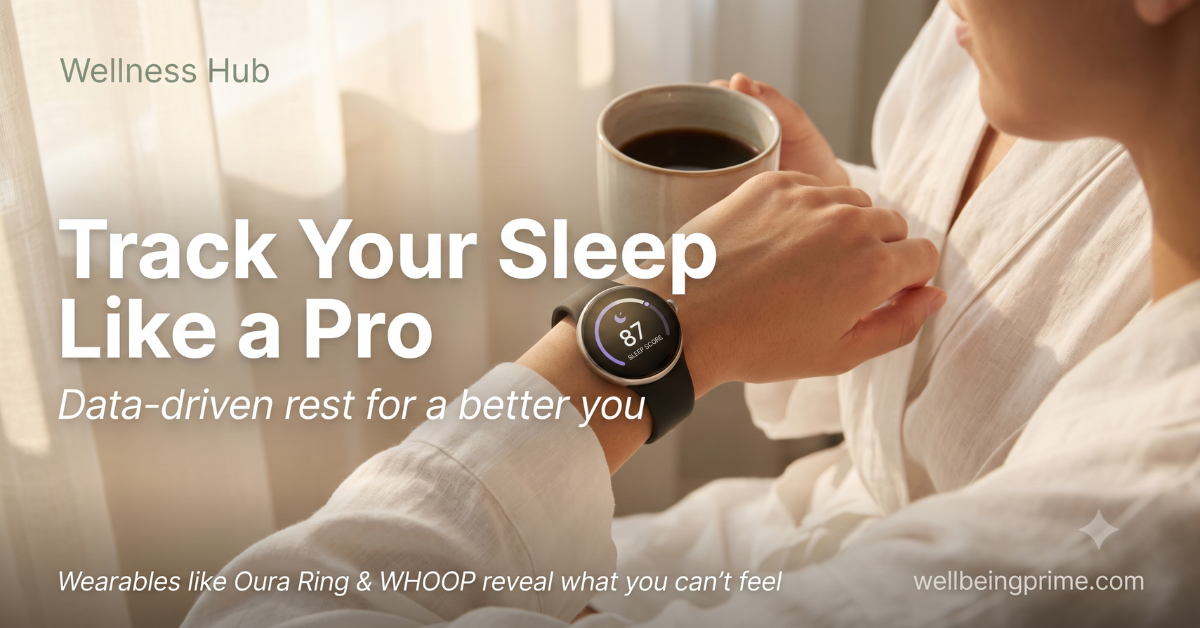
One of the most transformative developments in the democratization of sleep science is the rise of consumer-grade wearable technology that gives individuals access to data previously restricted to sleep laboratory polysomnography. Devices like the Oura Ring and WHOOP band have moved sleep tracking from the clinic to the nightstand — and the implications are genuinely profound.
What Good Wearables Actually Measure
Premium sleep wearables use a combination of photoplethysmography (PPG), heart rate variability (HRV), skin temperature, and accelerometry to infer sleep stages with increasingly sophisticated accuracy. While no consumer device yet matches the clinical precision of EEG-based polysomnography, independent validation studies — including a 2022 study in npj Digital Medicine — have found that devices like the Oura Ring demonstrate moderate-to-strong agreement with polysomnography for detecting sleep versus wake states and estimating total sleep time.
But raw stage data is only part of the value proposition. Where these devices truly shine is in revealing the lifestyle variables that disrupt your sleep architecture before you even feel the consequences. A glass of wine within three hours of bedtime? Your HRV data will show the suppressed REM and elevated resting heart rate the next morning, even if subjectively you feel like you slept fine. A late-night high-intensity workout? Your core temperature data will reveal the extended time your body spent in arousal states instead of deep sleep. Wearables make the invisible visible — and that visibility is the first prerequisite for behavioral change.
HRV: The Single Most Important Number in Your Sleep Data
Heart rate variability — the millisecond-level variation in time between heartbeats — has emerged as one of the most robust biomarkers of autonomic nervous system health and recovery status. High HRV during sleep correlates with strong parasympathetic (rest-and-digest) tone, effective stress regulation, and superior cardiovascular health. Chronically low HRV is associated with burnout, overtraining syndrome, and elevated all-cause mortality risk. The beauty of tracking nightly HRV is that it provides an objective, day-by-day window into whether your nervous system is genuinely recovering — or whether it’s quietly accumulating a debt your conscious mind hasn’t yet registered.
The Pre-Sleep Ritual: Engineering Your Nightly Wind-Down for Maximum Restoration
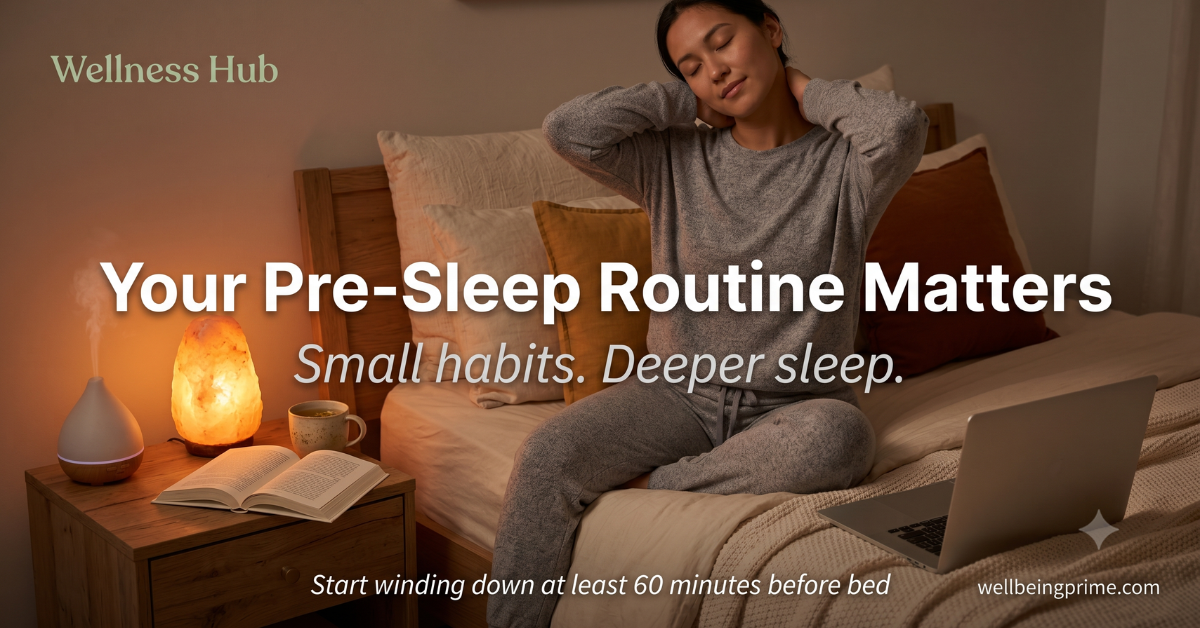
The single most underrated determinant of sleep quality is not what happens in bed — it’s what happens in the sixty to ninety minutes before you get there. Sleep is not a switch you flip. It is a gradient, a gradual biological declension from the neurological cacophony of daytime into the ordered silence of deep rest. Your pre-sleep ritual is the runway that determines whether that landing is smooth or turbulent.
The Light Environment: Your Circadian Remote Control
Melatonin secretion by the pineal gland is exquisitely sensitive to light, and particularly to the blue-wavelength light (400–490nm) emitted by LED screens, overhead fluorescents, and energy-efficient bulbs. Research published in the Journal of Clinical Endocrinology & Metabolism found that exposure to room light before sleep suppressed melatonin onset by approximately ninety minutes and reduced melatonin duration by about fifty percent compared to dim light conditions. The practical implication is unambiguous: transitioning to warm, amber-spectrum lighting in the sixty minutes before bed is not aesthetic preference — it is circadian biology.
Blue-light blocking glasses, smart bulb systems with automated evening temperature shifts, and simply dimming overhead lights in favor of warm lamps all represent legitimate, evidence-backed interventions. A 2021 Cochrane review confirmed that blue-light filtering spectacles meaningfully improved both subjective sleep quality and objective sleep onset latency in adults with regular evening screen exposure.
Thermal Regulation: The Cool Room Advantage
Core body temperature must drop by approximately one to one-and-a-half degrees Celsius for sleep initiation to occur. This is why sleep onset is not merely a neurological event but a thermoregulatory one. Research from the Netherlands Institute for Neuroscience has demonstrated that even a fractional reduction in skin temperature — achieved through cooling mattress pads, light breathable bedding, or simply keeping bedroom temperature between 65–68°F (18–20°C) — accelerates sleep onset and increases the proportion of slow-wave deep sleep obtained.
A counterintuitive but powerful application of this principle is the warm bath or shower taken sixty to ninety minutes before bed. The act of bathing raises peripheral skin temperature, which — upon exiting the bath — triggers a rapid heat loss from the body’s surface, inducing the core temperature drop that signals sleep readiness to the brain. A meta-analysis of seventeen studies published in Sleep Medicine Reviews found that a warm bath or shower timed sixty to ninety minutes before sleep improved both sleep onset speed and sleep quality, with the most pronounced effects in adults over 60.
Cognitive Decompression: The Art of Leaving the Day Behind
Perhaps the most underappreciated barrier to sleep quality is the psychological one: the inability to cognitively disengage from the rumination loops that accompany modern high-output life. Worry and planning are the enemies of sleep onset. Research by Dr. Michael Scullin at Baylor University found that spending five minutes writing a detailed to-do list for the following day — rather than journaling about completed tasks — significantly reduced sleep onset latency, allowing subjects to fall asleep an average of nine minutes faster. The act of externalizing future concerns onto paper appears to signal to the brain that these items are “handled,” reducing the hypervigilance that keeps the prefrontal cortex engaged when it should be surrendering to sleep.
Science-Backed Sleep Formula
One Tablet. Three Layers of Sleep Science.
Nature’s Bounty Sleep 3 Maximum Strength — engineered with a tri-layer system delivering fast-release and time-release Melatonin, calming L-Theanine, Chamomile, Lavender, and Valerian Root. It’s not just a sleep aid. It’s a complete nightly restoration system. Drug-free. Clinically considered. Remarkably effective.
→ Discover Sleep 3 on iHerbSleep Nutrition Science: The Nutrients That Rebuild You While You Rest
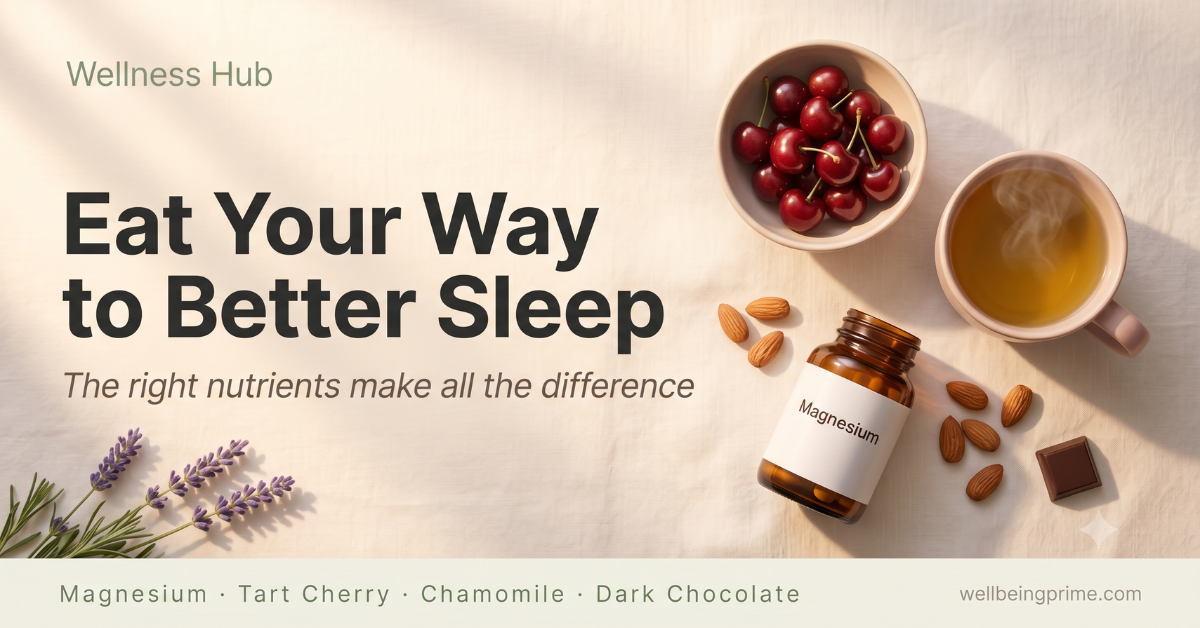
The relationship between nutritional status and sleep quality is bidirectional, deeply researched, and — in the mainstream wellness conversation — still massively underappreciated. What you eat and supplement in the hours before sleep directly influences the neurochemical milieu in which your brain attempts to cycle through its restorative stages. Here is what the science actually supports.
Magnesium: The Master Mineral of Nervous System Calm
Magnesium is a cofactor in over 600 enzymatic reactions in the human body, but its role in sleep regulation is particularly compelling. It activates the parasympathetic nervous system, regulates GABA receptors (the brain’s primary inhibitory neurotransmitter), and has been shown to modulate melatonin production. A landmark 2012 randomized, double-blind, placebo-controlled trial published in the Journal of Research in Medical Sciences found that supplemental magnesium significantly improved subjective and objective measures of insomnia in elderly adults — including sleep efficiency, sleep onset time, and early morning awakening frequency.
Critically, surveys suggest that up to 48 percent of Americans consume less than the recommended daily intake of magnesium, making deficiency remarkably common — and its correction remarkably impactful. Magnesium glycinate (bound to the amino acid glycine) is the most bioavailable and gastrointestinally well-tolerated form for sleep support, as glycine itself has independent sleep-promoting properties through its thermoregulatory effects on core body temperature.
Editor’s Pick · Magnesium
Solaray High Absorption Magnesium Glycinate
Chelated magnesium glycinate in veggie capsules — exceptionally bioavailable, gentle on digestion, and free from unnecessary fillers. The go-to choice for those serious about harnessing magnesium’s full sleep and recovery benefits.
→ View on iHerbTart Cherry: Nature’s Most Elegant Melatonin Delivery System
Montmorency tart cherries are one of the few food sources with naturally occurring melatonin in measurable concentrations — along with tryptophan (the precursor to both serotonin and melatonin) and a dense array of anthocyanin antioxidants that reduce neuroinflammation. A 2012 study in the European Journal of Nutrition found that adults consuming tart cherry juice concentrate experienced significant increases in melatonin levels, total sleep time (averaging an additional 25 minutes per night), and sleep efficiency compared to placebo. The mechanism is elegant: rather than flooding the system with exogenous melatonin, tart cherry gently extends the availability of tryptophan in the brain, allowing the body’s own melatonin synthesis to proceed more robustly and naturally.
Valerian Root & L-Theanine: The Herbal Calm Stack
Valerian root has been used as a sleep remedy since ancient Greece — but modern phytochemical research has illuminated why it works. Valerianic acid and its derivatives modulate GABA-A receptors in a manner mechanistically similar to benzodiazepines, but without the dependency profile, morning sedation, or REM suppression associated with pharmaceutical sleep aids. A 2006 meta-analysis in the American Journal of Medicine reviewing sixteen randomized controlled trials concluded that valerian may improve sleep quality without producing side effects, with the most consistent benefits observed in patients with poor baseline sleep quality.
L-theanine, the amino acid found almost exclusively in green tea, works synergistically with valerian and melatonin by promoting alpha-wave activity in the brain — the neural signature of alert relaxation. Research from Kyushu University demonstrated that L-theanine supplementation increases GABA, serotonin, and dopamine levels while simultaneously reducing markers of psychological stress. In practical terms, it takes the edge off the mental hyperarousal that prevents sleep onset, without any of the drowsiness that would impair daytime function if consumed earlier in the day.
Editor’s Pick · Herbal Sleep Support
NOW Foods Valerian Root 500mg — 250 Veg Capsules
One of the best-selling, most consistently reviewed valerian supplements on the market — standardized potency, clean vegan formula, exceptional value. A category cornerstone for evidence-based herbal sleep support.
→ View on iHerbThe Sleep Optimization Stack: Building Your Personal Protocol
Effective sleep optimization is never a single intervention — it is a layered system where behavioral, environmental, and nutritional strategies compound each other’s effects. Here is how a comprehensive, science-aligned nightly protocol might look in practice:
| Timing | Intervention | Mechanism |
|---|---|---|
| 3 hrs before | Stop alcohol & heavy meals | Protect REM, stabilize blood sugar |
| 90 min before | Warm bath/shower | Trigger core temperature drop |
| 60 min before | Dim lights, blue light off | Allow melatonin onset |
| 45 min before | Valerian Root + L-Theanine | GABA modulation, alpha-wave induction |
| 30 min before | Melatonin (low dose) + Magnesium | Circadian signal, nervous system calm |
| 20 min before | To-do list journaling | Cognitive offloading, reduce hypervigilance |
| Bedtime | Room at 65–68°F, total darkness | Optimize deep sleep conditions |
Sleep Across the Lifespan: Why One Size Never Fits All
One of the most important — and most commonly overlooked — dimensions of sleep optimization is the profound variability in sleep needs, architecture, and vulnerability across different life stages. Teenagers require nine to ten hours due to the neurological restructuring of adolescent brain development. Young adults in high-performance careers are navigating the collision between biological sleep need and social and professional pressure. And the over-50 population faces a particularly challenging landscape: slow-wave deep sleep naturally declines by approximately two percent per decade of adult life, and circadian rhythms shift toward earlier wake and sleep times — a phenomenon called circadian phase advance.
For older adults, the magnesium-melatonin combination has emerged as particularly valuable precisely because both compounds address the specific vulnerabilities of age-related sleep disruption — declining GABA tone, reduced endogenous melatonin production, and increased sleep fragmentation — through mechanisms that are distinct, complementary, and free from the dependency and cognitive impairment risks of prescription hypnotics like benzodiazepines and Z-drugs.
The lesson here is architectural: effective sleep optimization requires not only knowledge of universal sleep science principles but a willingness to personalize that knowledge to the individual. Wearable data provides an invaluable feedback loop for this personalization — allowing you to test interventions, observe objective responses, and iteratively refine your protocol in a way that no generic recommendation can replicate.
The Bottom Line: Sleep Is Not Recovery. Sleep Is Performance.
We have spent generations treating sleep as the passive counterpart to the active business of living — something that happens when all the important things are done. The science of the past two decades has dismantled that framework entirely. Sleep is not what you do when you stop performing. Sleep is how performance is constructed, maintained, and renewed at the cellular, neurological, and psychological levels simultaneously.
The tools have never been more sophisticated. The research has never been more conclusive. The supplements have never been more precisely formulated. What remains is the most fundamental step: the decision to take your sleep as seriously as you take your training, your nutrition, your career, and your relationships. Because every one of those things depends on it.
Start tonight. Not with a complete overhaul — with one thing. Dim the lights an hour before bed. Take your magnesium. Write tomorrow’s to-do list. Turn the thermostat down two degrees. Small, compounding, evidence-backed interventions are the DNA of lasting behavioral change.
Stay dewy! 🌿
Bookmark WellbeingPrime.com for more evidence-based wellness guides — where science meets the art of living well.
→ Explore WellbeingPrimeDisclaimer: This article is intended for informational and educational purposes only and does not constitute medical advice. The content on WellbeingPrime.com is not a substitute for professional medical diagnosis, treatment, or guidance. Always consult a qualified healthcare provider before beginning any new supplement regimen or making significant changes to your health routine. Individual results may vary. Some links in this post are affiliate links; WellbeingPrime may earn a commission at no additional cost to you.
💡 Frequently Asked Questions
How many hours of sleep do adults actually need for optimal health?
Most adults require 7 to 9 hours of sleep per night to complete four to six full sleep cycles. This range allows sufficient time in all stages — light sleep, deep slow-wave sleep, and REM — each of which serves distinct and irreplaceable physiological functions. Consistently sleeping below 7 hours is associated with impaired immune function, elevated cardiovascular risk, and accelerated cognitive decline, regardless of how rested you subjectively feel.
Is melatonin safe to take every night, and what is the right dose?
Melatonin is generally considered safe for short-to-medium-term use in healthy adults. Evidence suggests that lower doses (0.5mg to 3mg) are often as effective as higher doses for sleep onset support, while time-release formulas (like Natrol 5mg Time Release) are better suited for sleep maintenance. Daily long-term use is not universally recommended without medical supervision, as very high doses can potentially downregulate the body’s endogenous melatonin production over time. Always consult your healthcare provider for personalized guidance.
What is the best form of magnesium for sleep support?
Magnesium glycinate is widely considered the most effective form for sleep support due to its superior bioavailability and gastrointestinal tolerability compared to other forms (such as oxide or citrate). The glycine component itself also has independent sleep-promoting properties. Magnesium malate and magnesium threonate are alternatives worth exploring for specific needs, though glycinate remains the gold standard for nighttime use. A typical sleep-support dose ranges from 200mg to 400mg taken 30 to 60 minutes before bed.
Do wearable sleep trackers like Oura Ring actually work?
Independent validation studies have found that premium wearables like the Oura Ring demonstrate moderate-to-good agreement with clinical polysomnography for detecting sleep versus wakefulness and estimating total sleep time. Sleep stage classification is less precise, but the real value of wearables lies in longitudinal tracking — identifying how lifestyle variables (alcohol, exercise timing, stress) affect your individual sleep architecture over weeks and months. They are best viewed as behavioral feedback tools rather than clinical diagnostic devices.
Can valerian root cause morning grogginess or dependency?
Unlike pharmaceutical sleep aids (benzodiazepines, Z-drugs), valerian root does not appear to cause the REM suppression, tolerance development, or physical dependency associated with prescription hypnotics. Most clinical trials and meta-analyses report minimal morning sedation at standard doses (300mg–600mg). Some individuals may experience mild digestive discomfort or vivid dreams initially. As with all supplements, starting at a lower dose and allowing 2–4 weeks for full effect is recommended before evaluating efficacy.
🌿 Weekly wellness, health & beauty insights — straight to your inbox
Free subscription · Cancel anytime