8 Natural Ways to Improve Sleep Without Supplements: An Ultimate Authority Guide
If you’ve been searching for genuine natural ways to improve sleep without supplements, you’re in the right place: the most powerful sleep intervention on the market is still, quietly, free — and it has been sitting inside your daily routine the entire time.
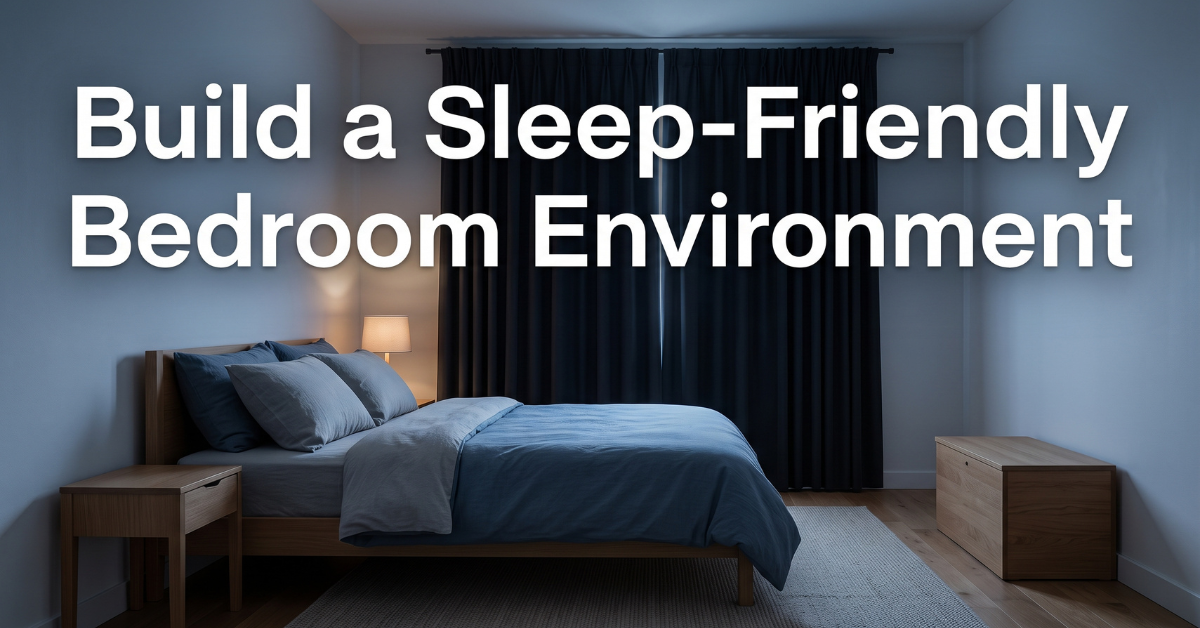
Somewhere between the third melatonin gummy and the fourth “calming” tea blend, a quiet question tends to surface: why does none of this actually fix the problem? It’s a fair question, and the honest answer is that sleep was never designed to be chemically summoned on command. It is designed to be earned — through light exposure, temperature regulation, nervous system signaling, and the small daily rituals that tell your biology, unmistakably, that it is time to power down for the night.
This guide takes a research-informed, editorially rigorous look at the eight most effective, entirely supplement-free levers for better sleep — the same underlying principles referenced by sleep medicine researchers, circadian biologists, and clinical psychologists working in Cognitive Behavioral Therapy for Insomnia (CBT-I), widely regarded as the gold-standard non-pharmacological treatment for chronic sleep difficulty. No proprietary blends. No mystery dosages. No fine print about long-term safety data that doesn’t yet exist. Just the architecture of human sleep, explained clearly enough to actually put to use tonight.
There is also a quieter cultural story here worth naming. The modern supplement industry thrives on the idea that rest is something you purchase rather than something you build — a bottle on a shelf standing in for the harder, less glamorous work of fixing a bedroom that is too bright, a schedule that never sees morning sunlight, or a mind that never gets the chance to put its worries down on paper before the lights go out. None of that is a criticism of anyone reaching for a supplement out of desperation; it is simply an invitation to try the foundation first, because the foundation is almost always where the real leverage lives.
It is also worth acknowledging why this particular topic has become so urgent in the first place. Global surveys on sleep health consistently point to a population that is, on average, more chronically under-slept than at almost any point in recorded history — a trend driven by artificial light extending our evenings, screens colonizing the hour before bed, and work cultures that treat exhaustion as a badge of honor rather than a warning sign. Against that backdrop, it makes sense that an entire industry has emerged promising a shortcut back to the rest our grandparents took largely for granted. But shortcuts, in this particular domain, tend to disappoint precisely because sleep is not a single switch to flip — it is an orchestra of interconnected systems, and each of the eight sections below addresses one instrument in that orchestra rather than pretending a single note can carry the whole performance.
The 8 Most Effective Natural Ways to Improve Sleep Without Supplements
Below are the eight natural ways to improve sleep without supplements that carry the strongest backing from sleep researchers and clinical psychologists — organized in the order that tends to produce the fastest, most compounding results when implemented together.
1. Engineer Your Bedroom Like a Sleep Laboratory
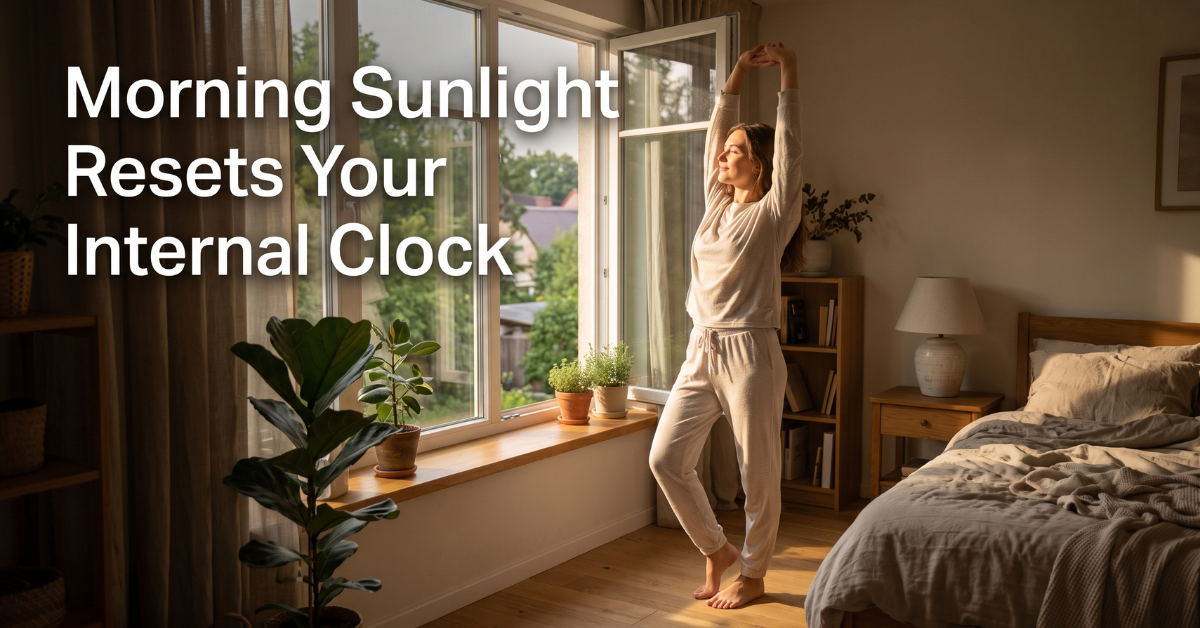
Long before you touch your diet, your workout schedule, or your evening rituals, the single highest-leverage change available to you is the room you sleep in. Sleep researchers refer to this collectively as “sleep hygiene” — a slightly clinical term for what is, in practice, an act of environmental design that most people never consciously undertake. Think of your bedroom not as a place you happen to fall asleep in, but as a piece of equipment you are responsible for calibrating, the same way an athlete calibrates their gear before a competition.
Darkness Is Non-Negotiable
Your pineal gland releases melatonin — the hormone that cues your body toward sleep — almost exclusively in response to darkness. Photoreceptors in your retina, particularly a class called intrinsically photosensitive retinal ganglion cells, are remarkably sensitive to even faint light; the ambient glow of a charging cable, a smoke detector’s blinking sensor, or a sliver of streetlight leaking through thin curtains is often enough to register and interrupt this hormonal signal. Sleep laboratories studying light exposure during rest have repeatedly found that even dim ambient light in the single digits of lux can measurably reduce the proportion of deep, slow-wave sleep across the night, and can blunt total melatonin output even when the sleeper never consciously wakes.
The fix here is refreshingly unglamorous. It does not require a smart bulb ecosystem or a $400 mattress topper — it requires a genuinely dark room, which is a surprisingly rare thing in most modern homes once you start paying attention.
- Install genuine blackout curtains, or add a blackout liner behind existing drapes.
- Tape over or physically remove small standby LEDs on routers, chargers, and smart devices.
- If full light control is not realistic — travel, shared housing, city apartments with unavoidable light pollution — a well-fitted, contoured sleep mask is a legitimate, research-supported substitute rather than a consolation prize.
Noise: Consistency Over Silence
Sudden acoustic spikes — a slamming door, a passing siren, a partner’s snore — can pull the brain out of deep sleep stages without ever producing a conscious awakening, quietly fragmenting the night’s architecture in a way you will never remember but will absolutely feel the next day. Interestingly, total silence is not necessarily the goal here; consistent, low-level background sound can mask these disruptive spikes far more effectively than dead quiet, because it prevents any single sound from standing out sharply enough to register as an alarm signal to a sleeping brain.
- A white noise machine, a box fan, or an app-based pink noise generator creates a steady acoustic “floor” that evens out the peaks.
- Foam earplugs rated specifically for sleep — softer and lower-profile than work-site variants — are worth the small investment for light sleepers.
- Address the fixable culprits directly: a squeaky hinge or a rattling window pane is a five-minute repair with outsized nightly returns for years to come.
The Psychology of a Decluttered Room
This edges closer to interior design than hard biology, but the underlying psychology is well documented and worth taking seriously. Visual clutter has been associated in survey-based research with self-reported sleep difficulty, likely because an unresolved, cluttered environment keeps the mind subtly “on” — a low background hum of unfinished business that works directly against the mental stillness required for sleep onset. A room full of visual reminders of tomorrow’s to-do list is, in a very real sense, still working, even after you have turned off the lights.
- Limit your nightstand to three items — a lamp, a book, and a glass of water is a clean, calming baseline.
- Remove laundry piles, work documents, and open to-do lists from the bedroom entirely, even if it means relocating them to a hallway closet.
- Reserve the bed strictly for sleep and intimacy. This is the cornerstone of “stimulus control,” a foundational technique in CBT-I that re-trains the brain’s association between the bed and rest rather than the bed and wakeful activity, work, or scrolling.
Mattress and Pillow: The Overlooked Variables
An aging mattress — generally due for replacement every seven to ten years depending on materials and usage — or a pillow height mismatched to your dominant sleep position can trigger micro-awakenings you will never consciously register but will absolutely feel the next morning as unexplained grogginess or stiffness. These are not dramatic disruptions; they are subtle, repeated interruptions that erode sleep quality night after night without ever fully waking you.
- Side sleepers typically need a thicker, firmer pillow to keep the cervical spine neutral and avoid shoulder compression.
- Back sleepers generally do better with a thinner, medium-firm option that supports the natural curve of the neck.
- Waking with numbness, tingling, or stiffness in the neck, shoulders, or lower back is a signal worth acting on, not a quirk worth normalizing indefinitely.
2. Morning Sunlight: The Single Most Underrated Circadian Reset

If this guide had to be reduced to a single habit, it would be this one — and it remains, by a wide margin, the most consistently overlooked. Most people spend enormous energy optimizing their bedtime routine while completely ignoring the fifteen minutes after they wake up, not realizing that those fifteen minutes are doing more circadian heavy lifting than almost anything that happens in the evening.
How the Master Clock Actually Operates
Every tissue in the human body runs on an approximately 24-hour circadian rhythm, orchestrated by a master pacemaker in the brain called the suprachiasmatic nucleus, or SCN. This master clock is entrained primarily by light striking the retina, particularly within the first hour or two after waking. Bright morning light tells the SCN, unambiguously, “the day has begun” — triggering a hormonal cascade that lifts cortisol for daytime alertness and, roughly fourteen to sixteen hours later, initiates the melatonin release that ushers in sleepiness right on schedule. Skip this morning signal by waking in a dim room and moving straight to indoor screens, and the entire cascade drifts later, pushing natural sleepiness deeper and deeper into the night, night after night.
Why Indoor Lighting Rarely Suffices
A brightly lit office typically registers around 300 to 500 lux, and most homes are dimmer still. Outdoor daylight — even under heavy cloud cover — commonly reaches 1,000 to 10,000 lux, and direct sun can exceed 50,000 lux. Circadian entrainment generally requires this outdoor-caliber intensity; indoor lighting, however comfortable it feels to the naked eye, is usually a poor substitute, which is precisely why people who work entirely indoors so often report feeling perpetually “tired but wired.”
- Step outside for 10 to 15 minutes within 30 to 60 minutes of waking — sunglasses off, direct sun-staring avoided.
- In darker climates or winter months, a 10,000-lux light therapy box used for 15 to 20 minutes is a well-studied, practical alternative.
- Stack this habit with light movement, like a short walk to get coffee or walk the dog, for a compounded circadian benefit that costs no additional time.
Evening Light: The Mirror-Image Problem
Just as morning light anchors wakefulness, bright — particularly blue-heavy — evening light delays melatonin release, pushing natural sleepiness later than intended and making the eventual bedtime feel like a fight rather than a natural landing.
- Begin dimming household lighting roughly two hours before your intended bedtime, treating it as a ritual rather than an afterthought.
- Swap overhead lighting for warm-toned lamps in the evening hours; the shift in color temperature alone makes a meaningful difference.
- Anchor a consistent wake time, including weekends — irregular wake times are among the most disruptive circadian saboteurs, often undoing an otherwise excellent week of habits in a single weekend.
3. Nutritional Chronobiology: What You Eat and Drink, and When
Diet’s relationship with sleep runs far deeper than the familiar warning to skip a late espresso. What you eat, what you drink, and — crucially — the timing of both, quietly shape the hormonal and digestive backdrop against which sleep either happens easily or fights for every hour. Blood sugar swings from a heavy, carbohydrate-dense dinner, for instance, can trigger a middle-of-the-night cortisol spike as the body works to stabilize glucose levels, waking some people at the exact moment their blood sugar dips a few hours after eating — a pattern many people misattribute to stress or “just a bad night” without ever connecting it back to what was on their dinner plate.
Caffeine’s Deceptively Long Half-Life
Caffeine carries an average half-life of five to six hours, meaning a 2 p.m. coffee can still exert roughly half its stimulating effect by 8 p.m. — and a meaningful residue lingers well beyond that for slow metabolizers, a trait partly rooted in genetic variation of the CYP1A2 liver enzyme. Two people can drink the exact same afternoon coffee and have wildly different nighttime experiences purely because of this inherited difference in metabolism.
- Set a personal caffeine curfew — for most people, this means nothing after 12 to 2 p.m., adjusted earlier for known slow metabolizers.
- Watch for hidden sources: dark chocolate, certain pain relievers, some green and black teas, and pre-workout supplements.
- Reliance on afternoon caffeine is often a downstream symptom of insufficient sleep the night before rather than an independent issue on its own — fix the root, and the crutch tends to fall away naturally.
Alcohol: Wellness Culture’s Most Persistent Sleep Myth
Alcohol is frequently mistaken for a sleep aid because it accelerates sleep onset — but this is a well-documented trap. As it metabolizes overnight, alcohol suppresses REM sleep, the stage tied to memory consolidation and emotional processing, and drives fragmented, shallow sleep architecture that often surfaces as early-morning wakefulness around 3 or 4 a.m., precisely when the alcohol has largely cleared the bloodstream and a rebound alertness effect sets in.
- If you drink, aim to finish at least three to four hours before bed to give your body time to process it.
- Compare how you genuinely feel the morning after drinking versus not — the contrast in sleep quality is usually more dramatic than most people expect or notice in the moment.
Foods That Genuinely Support Sleep Chemistry
No single food will override poor sleep hygiene, but a handful of ingredients have earned genuine attention in sleep science circles for their supportive role within a broader healthy pattern.
- Tart cherries contain natural melatonin and have been studied for modest sleep-duration benefits when consumed as juice or whole fruit in the evening.
- Kiwifruit eaten before bed is associated in small trials with faster sleep onset and improved duration, likely via its serotonin content and antioxidant load.
- Fatty fish like salmon supply vitamin D and omega-3 fatty acids, both tied to serotonin regulation and downstream sleep-wake signaling.
- Almonds and pumpkin seeds deliver magnesium, a mineral central to nervous system regulation and muscular relaxation.
- Chamomile tea contains apigenin, an antioxidant that binds to specific brain receptors linked to reduced anxiety and promoted sleepiness.
Hydration Timing
Dehydration invites dry mouth, headaches, and nighttime leg cramps — but overhydrating close to bedtime all but guarantees disruptive bathroom trips that shatter otherwise solid sleep architecture right in the middle of the night, often during the deepest and most valuable stages.
- Front-load fluid intake earlier in the day, treating hydration as a morning and afternoon priority rather than an evening afterthought.
- Taper intake in the final one to two hours before bed, without cutting off entirely if you are genuinely thirsty.
🌿 When Whole Foods Aren’t Quite Enough
Working with food-based melatonin precursors keeps you aligned with your body’s own rhythm rather than overriding it — but travel, jet lag, or a temporarily disrupted schedule can make the natural route harder to lean on entirely, at least for a night or two. For those occasions, a range of pre-measured formats exists depending on personal preference: a time-release tablet like Natrol Melatonin Time Release, 10mg for sustained overnight release, a transdermal option like the Friendly Patch SNOOZZZE Melatonin Sleep Patch for a no-swallow alternative that some travelers prefer, or a more palatable, easy-to-dose format like Natrol Sleep Calm Gummies for those who simply prefer a gummy to swallowing a pill. Any of these can serve as an occasional bridge for a disrupted week — not a nightly replacement for the habits covered throughout this guide.
4. Exercise Timing: Training Your Body Toward Deeper Sleep
Regular physical activity is one of the most consistently supported natural interventions for sleep quality across the research literature — but the common advice to simply “exercise more” misses an important nuance: when you move can matter almost as much as whether you move at all.
The Physiological Mechanism
Exercise supports sleep through several converging pathways: it helps regulate circadian timing, especially when performed outdoors, compounding directly with the morning-light benefits described in Section 2; it reduces the anxiety and depressive symptoms frequently entangled with insomnia; and it increases the proportion of slow-wave, physically restorative deep sleep that the body relies on for tissue repair, immune regulation, and memory consolidation.
Why Timing Isn’t a Footnote
Vigorous exercise elevates core body temperature and triggers the release of alerting hormones, adrenaline and cortisol among them. Since sleep onset requires a corresponding drop in core temperature, intense training too close to bedtime can work against certain sleepers — though individual sensitivity to this effect varies considerably, and some people fall asleep just fine after an intense evening session while others feel wired for hours afterward. There is no universal rule here, which is exactly why the sleep log described later in this guide is so valuable: it lets you discover your own personal response rather than following a blanket recommendation that may not actually apply to your particular physiology.
- If evening workouts leave you feeling wired rather than tired, aim to finish vigorous sessions two to three hours before bed.
- Morning training doubles as a circadian anchor, layering directly onto Section 2’s sunlight benefits for a compounded effect.
- Gentle evening movement — stretching, walking, restorative yoga — is generally sleep-neutral or even sleep-promoting for most people, since it does not spike core temperature or stress hormones the way high-intensity training does.
Consistency Outperforms Intensity
You do not need an athlete’s training block to see sleep dividends. Roughly 150 minutes of moderate aerobic activity weekly — brisk walking, cycling, swimming — spread across most days shows measurable sleep-quality improvements within a few consistent weeks, often well before any noticeable change in fitness level or body composition. This is genuinely good news for anyone who has felt discouraged by more extreme fitness advice in the past: for sleep purposes specifically, showing up consistently in a modest way beats sporadic intensity by a wide margin.
💪 No Time for the Gym?
If commute time is the real barrier standing between you and a consistent workout habit, home training removes it entirely from the equation. JustFit is a home workout app built around guided routines that fit into your day rather than demanding you rearrange your entire schedule around them — and since consistency, not intensity, drives most of the sleep benefit described above, a tool that makes daily movement genuinely frictionless is well worth exploring.
Explore JustFit →5. Nervous System Down-Regulation: Relaxation Techniques That Actually Work
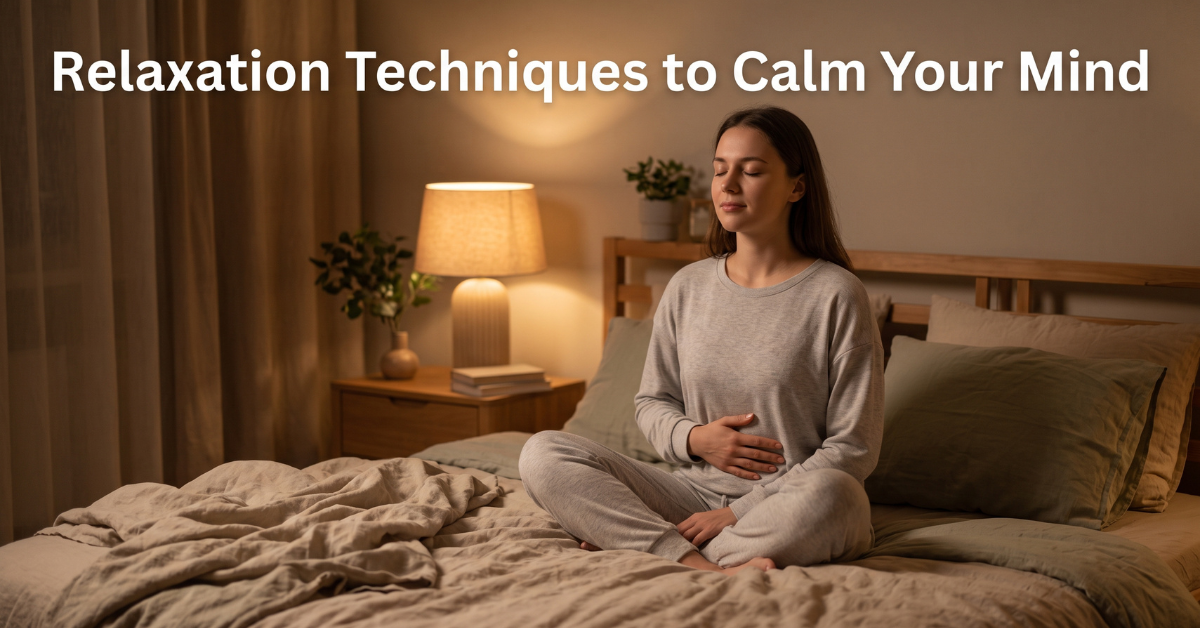
For a large share of restless sleepers, the obstacle is not the body — it is an overactive mind that simply will not power down on cue. This is precisely where deliberate nervous-system down-regulation earns its place in the toolkit, offering a set of concrete, learnable skills rather than vague advice to “just relax.” Unlike a supplement, these skills strengthen with repetition — the tenth time you practice diaphragmatic breathing before bed will produce a noticeably faster, deeper effect than the first, simply because the nervous system, much like a muscle, becomes more responsive to a signal it has learned to trust.
The Sympathetic-Parasympathetic Seesaw
Your autonomic nervous system splits into two main branches: the sympathetic (“fight or flight”) branch and the parasympathetic (“rest and digest”) branch. Falling asleep requires a genuine shift toward parasympathetic dominance — a shift that modern life, with its constant notifications, deadlines, and low-grade background stress, often actively resists well into the evening hours, leaving many people lying in bed physically exhausted but neurologically still very much “on.”
Diaphragmatic Breathing
Slow, deep breathing with an extended exhale directly stimulates the vagus nerve, a primary driver of parasympathetic activation, and it requires no equipment, no app, and no prior training to begin using tonight.
- Inhale through the nose for a count of four.
- Hold gently for a count of four.
- Exhale slowly through the mouth for a count of six to eight.
- Repeat for five to ten cycles, letting the belly — not the chest — rise and fall with each breath.
Progressive Muscle Relaxation (PMR)
PMR involves systematically tensing, then releasing, muscle groups throughout the body — surfacing physical tension you did not even realize you were carrying, often in the jaw, shoulders, or hands after a long day.
- Starting at the feet, tense the muscles tightly for five seconds, then release completely for ten, noticing the contrast between tension and relaxation.
- Move upward through the calves, thighs, abdomen, hands, arms, shoulders, and face in sequence.
- By the time you reach the top of the body, most people report a distinctly heavier, more settled sense of physical relaxation.
Body Scan Meditation and the “Brain Dump”
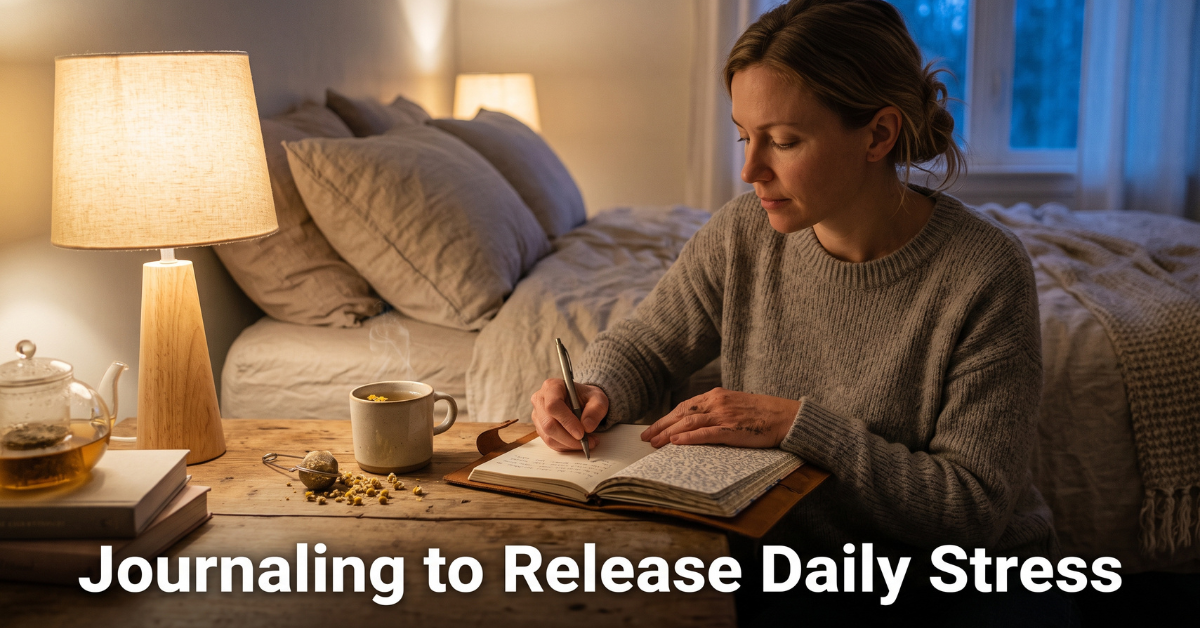
A body scan directs calm, non-judgmental attention sequentially through the body without any active tensing, which helps quiet the mental chatter that often keeps people awake long after the lights go off. For a racing mind specifically, a five-minute written “brain dump” before lights-out — capturing tasks, worries, and loose ends on paper — signals to the brain that these loops have been externally recorded and no longer need to be actively held onto through the night, a technique with genuine research backing behind its apparent simplicity.
6. Thermoregulation: The Ideal Room Temperature for Deep Sleep
Why Your Body Must Cool to Sleep
Core body temperature naturally drops by one to two degrees Fahrenheit in the evening as part of the biological cascade that initiates sleepiness — a process aided by distal vasodilation, where blood vessels near the skin’s surface dilate to release heat, which is why hands and feet often feel noticeably warmer at night than during the day. An overly warm bedroom interferes directly with this cooling process; an overly cold one forces the body to expend energy staying warm — though “too warm” remains, by a wide margin, the more common modern problem, particularly in homes with central heating running through the night.
The Research-Backed Sweet Spot
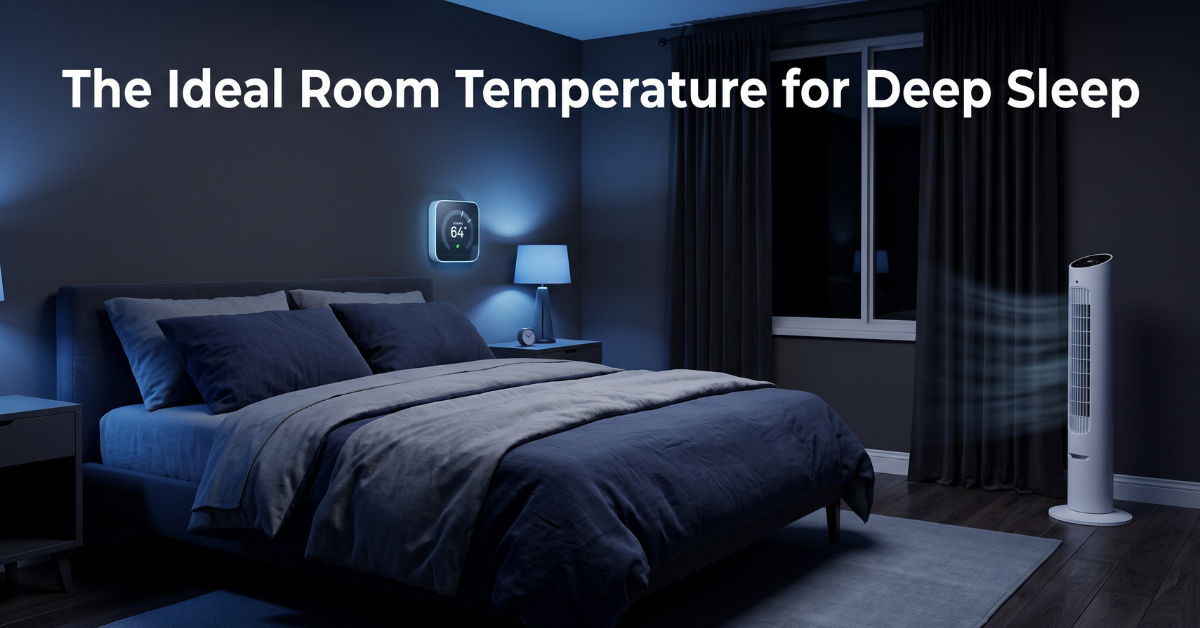
Sleep researchers commonly cite 60 to 67°F, or roughly 15.5 to 19.5°C, as the optimal bedroom temperature range for most adults, with individual variance based on body composition, bedding choices, and local climate.
- Lower the thermostat toward the range’s lower end roughly an hour before bed, giving the room adequate time to cool.
- Without central climate control, a fan — which doubles conveniently as white noise — or a cracked window can meaningfully help.
- Breathable materials like cotton or bamboo-derived fabrics consistently outperform synthetics for people who tend to sleep hot.
The Warm Bath Paradox
Counterintuitively, a warm bath or shower one to two hours before bed can actually accelerate sleep onset rather than delay it. The warmth dilates surface blood vessels; upon exiting the bath, heat dissipates rapidly from the skin’s surface, amplifying and accelerating the natural core-temperature drop right when the body needs it most for sleep initiation.
- Aim for comfortably warm — not scalding — water for ten to fifteen minutes.
- Time the bath or shower roughly ninety minutes before your target bedtime for the cooling effect to align with when you actually intend to fall asleep. Beyond sleep alone, this small ritual also creates a clear psychological boundary between the busyness of the day and the wind-down of the evening, functioning as a signal to the whole household, not just your body, that the day is closing.
7. Digital Hygiene: Blue Light, Screens, and the Privacy Cost Nobody Mentions
Blue Wavelength Light and Melatonin Suppression
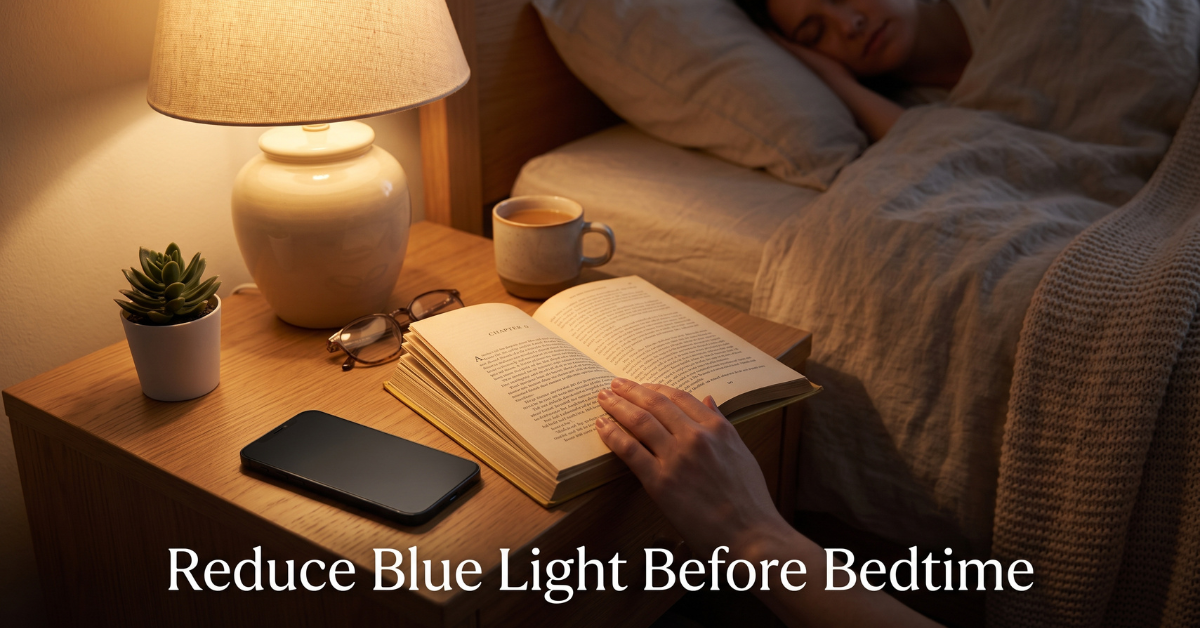
Blue wavelength light — heavily emitted by phones, tablets, and computer screens — suppresses melatonin production more effectively than warmer wavelengths of light. Screen exposure in the hour or two before bed can delay melatonin onset, reduce total melatonin secreted across the night, and gradually shift the entire circadian rhythm later, compounding night after night if left unaddressed.
- Enable night-mode or blue-light filtering settings on your devices in the evening, understanding that this alone only partially solves the underlying issue.
- Reducing overall screen time in the sixty to ninety minutes before bed is the more effective lever, swapped for reading a physical book or having a quiet conversation instead.
- Blue-light-blocking glasses show measurable reductions in melatonin suppression compared with unfiltered screen use in controlled studies.
The Engagement Trap
Beyond the light itself, social feeds and news apps are deliberately engineered to keep the brain alert and engaged — the precise opposite of the neurological state sleep requires. Late-night scrolling correlates, across multiple survey-based studies, with both delayed sleep onset and lower self-reported sleep quality the following morning.
- Charge your phone outside the bedroom entirely, or at minimum across the room rather than within arm’s reach, removing the possibility of reflexive, half-asleep checking altogether.
- Replace a phone alarm with a standalone alarm clock to remove the ever-present temptation of “just checking one thing” before sleep.
- Set an automatic evening “bedtime mode” that dims the screen and silences non-essential notifications after a set time each night.
The Hidden Data Trail Behind “Sleep Tech”
Here is the part most sleep content quietly skips over: the very apps and devices marketed as sleep solutions — trackers, smart mattresses, white-noise apps — often harvest an outsized volume of sensitive personal data behind the scenes, far beyond what most users realize when they first install them. Sleep patterns, precise location, microphone access enabled for snore detection, and even biometric readings can be logged, stored, and in some cases shared with third parties, all buried deep inside terms-of-service documents almost nobody reads in full before tapping “agree.” Compound this with the fact that most late-night browsing happens on home networks while researching genuinely sensitive health questions — sleep disorders, anxiety symptoms, medication interactions — information that ideally should never be quietly tied to your identity and monetized by data brokers operating far outside your awareness or control.
- Audit the permissions granted to any sleep or wellness app you use; revoke microphone or location access that is not genuinely essential to the app’s core function.
- Be deliberate and selective about which health-adjacent data syncs to the cloud versus stays local, on-device only.
- Use a VPN for late-night browsing, particularly on shared or public networks, encrypting your traffic so your internet provider or network operator cannot log exactly what you searched or when.
🔒 Your Late-Night Searches Aren’t as Private as You Think
Every symptom you Google, every sleep issue you research, every page you browse at 1 a.m. on your home network can be logged by your internet provider, tracked by advertisers, and — in some jurisdictions — legally sold to third parties without anything resembling meaningful consent. Sleep trackers and smart home devices only widen this exposure further, quietly building an intimate profile of your health, habits, and vulnerabilities. A VPN is one of the simplest, most immediate ways to reclaim genuine control of your digital footprint, encrypting your connection so your late-night browsing stays exactly where it belongs: with you, and no one else. Don’t wait until your data has already been collected, packaged, and sold before deciding it mattered.
Protect Your Privacy Now →8. The Nightly Journal: Externalizing Stress Before It Costs You Sleep
The Research Behind the Ritual
A frequently cited sleep-psychology study found that participants who wrote a brief to-do list before bed fell asleep meaningfully faster than those who instead journaled about tasks they had already completed — a finding that suggests externalizing unfinished mental loops onto paper genuinely reduces the cognitive load keeping the brain “on” long after the lights are off. Broader journaling practices, including gratitude writing specifically, are similarly linked in the research literature to reduced rumination and anxiety, two of the most common and stubborn saboteurs of sleep onset for otherwise physically tired people.
Gratitude Journaling
- Write down three specific things that went well that day, however small they might seem in the moment.
- Specificity genuinely matters here — “a good conversation with my sister about her new job” carries far more psychological benefit than a vague, generic “family.”
- Keep this ritual distinct from your worry or to-do list; the two serve meaningfully different cognitive and emotional purposes and work best kept separate.
The Structured Nightly Reflection
For more persistent racing thoughts, a simple three-question format tends to work particularly well as a nightly closing ritual:
- What’s one thing that went well today?
- What’s one thing on my mind that I can address tomorrow, not tonight, and can therefore set aside for now?
- What’s one thing I’m genuinely looking forward to?
This format acknowledges stress without dwelling inside it, while gently redirecting mental energy toward the future in a calm, non-anxious register rather than a spiraling one. Keep the barrier to entry deliberately low — a plain notebook and a pen beat an elaborate journaling app for this specific purpose — and pair the habit with an existing routine, like brushing your teeth, to accelerate how quickly it becomes automatic rather than another item requiring willpower.
Sleep Myths Worth Retiring
“You Can Catch Up on Weekends”
Sleeping in after a short week feels genuinely restorative in the moment, but the resulting “social jetlag” — an inconsistent sleep-wake pattern that shifts dramatically between weekdays and weekends — actually destabilizes the circadian rhythm further, making Sunday-night sleep onset noticeably harder and Monday morning noticeably worse than it needed to be. Prioritize consistent wake times and, if needed, an earlier bedtime when genuinely catching up on lost sleep, rather than a dramatically delayed wake time that pushes the whole system further off balance.
“Older Adults Simply Need Less Sleep”
Sleep architecture genuinely changes with age — lighter, more fragmented sleep is common as we get older — but the underlying biological need for sleep itself does not meaningfully decline. Most adults, at essentially any age, still benefit from seven to nine hours nightly; older adults are simply more vulnerable to environmental disruption than younger sleepers, which makes the strategies throughout this guide more valuable to them, not less relevant.
“If You Can’t Sleep, Just Try Harder”
Lying in bed anxiously forcing yourself to sleep tends to backfire almost every time, building a mental association between the bed itself and frustration rather than rest. Sleep specialists instead recommend getting up after roughly twenty minutes of frustrated wakefulness, doing something calm and low-stimulation in dim light elsewhere in the home, and returning to bed only once genuinely sleepy — a small behavioral shift that preserves the bed-sleep association central to good sleep hygiene over the long run.
“Supplements Are a Safe, Simple Long-Term Fix”
Because melatonin and similar products sit openly on pharmacy shelves next to vitamins, many people assume nightly long-term use is automatically safe by default. In reality, the long-term effects of nightly melatonin supplementation remain incompletely understood, dosing on commercial products can vary meaningfully from what the label claims, and leaning on a supplement every night can quietly mask the actual root cause of poor sleep — often simply poor sleep hygiene or unaddressed anxiety sitting underneath the surface. None of this means supplements are never appropriate for anyone; it simply means they tend to work best as an occasional tool layered thoughtfully onto strong foundational habits, rather than serving as a permanent substitute for them.
Tracking Your Progress: The Low-Tech Sleep Log
Once you’ve started applying these natural ways to improve sleep without supplements, the most reliable way to confirm they are genuinely working — rather than guessing from vague, subjective morning impressions alone — is a simple daily sleep log kept for two to three weeks. No wearable device or app is required here, and per Section 7’s discussion of data privacy, one fewer data-collecting device quietly running in the background of your life is not exactly a downside. A plain notebook, kept on the nightstand, does the job perfectly well.
- Time you got into bed and time you woke up.
- A rough personal estimate of how long it took to fall asleep.
- Number of nighttime awakenings during the night, if you can recall them.
- A simple 1 to 5 rested-feeling rating each and every morning.
- Relevant context from the day before: caffeine timing, exercise, alcohol, evening screen use, and overall stress level.
Within a couple of weeks, patterns tend to surface with surprising clarity — a consistent 4 or 5 rating on days you exercised in the morning, a reliable drop to a 2 on days that included afternoon caffeine, or a noticeably faster sleep onset following a warm bath and journaling combination the night before. This kind of personal, admittedly low-tech dataset usually outperforms generic advice by a wide margin, since it reveals precisely which of the eight strategies moves the needle most for your specific body, schedule, and lifestyle rather than for some hypothetical average person.
A Realistic Timeline
- Days 1 to 3: Small, immediate gains from a cooler, darker room and reduced screen time — often manifesting as a slightly faster time to fall asleep.
- Week 1 to 2: Morning light exposure and consistent wake times begin genuinely shifting circadian timing, improving both nighttime sleepiness and daytime alertness in tandem.
- Weeks 2 to 4: Relaxation techniques and journaling become automatic rather than effortful, compounding steadily with diet and exercise timing adjustments made earlier in the process.
- Month 1 and beyond: Most people who stick with this combination report meaningfully improved sleep quality, noticeably fewer nighttime awakenings, and steadier, more reliable daytime energy levels overall.
If you have genuinely applied these strategies consistently for three to four full weeks and are still struggling significantly with sleep, that itself is genuinely useful diagnostic information — it may point toward an underlying sleep disorder, an anxiety or mood condition, or simply a need for more personalized, professional guidance such as CBT-I delivered by a qualified clinician. Natural strategies resolve the vast majority of everyday sleep struggles, but they are not intended as a substitute for proper medical evaluation when a deeper underlying issue is genuinely present.
The 7-Day Natural Sleep Reset: A Practical Implementation Plan
Reading eight strategies is one thing; actually sequencing them into a week you can follow without feeling overwhelmed is another. Below is a concrete, day-by-day rollout designed to introduce these habits gradually, so that by the end of the week, you are running a genuinely comprehensive sleep protocol rather than juggling eight disconnected ideas at once.
Day 1: Reclaim the Room
Start with the environment, since it requires no behavior change beyond a single afternoon of setup. Hang blackout curtains or a liner, tape over stray LED lights, and clear the nightstand down to three essential items. Set your thermostat schedule to drop to the 60 to 67°F range about an hour before your target bedtime. This single day of setup pays dividends for every night that follows without requiring any further daily effort.
Day 2: Anchor the Morning
Introduce the single highest-leverage habit in this entire guide: ten to fifteen minutes of outdoor light within an hour of waking. Pair it with a short walk if your schedule allows. Notice, without judgment, how alert you feel by mid-morning compared to a typical day — many people report a noticeable difference by the afternoon of the very first day they try this.
Day 3: Set the Caffeine and Alcohol Boundaries
Establish your personal caffeine curfew — for most people, this means nothing after roughly 2 p.m. — and, if you drink alcohol, commit to finishing at least three to four hours before bed for the remainder of the week. Add one sleep-supportive food, such as a small handful of almonds or a cup of chamomile tea, into your evening routine to replace whatever you would otherwise be reaching for.
Day 4: Move With Intention
If you already exercise, simply note the timing relative to your bedtime and adjust if you notice a pattern of feeling wired after evening sessions. If you are not currently active, introduce a twenty-minute walk, ideally in the morning to double up with Day 2’s light exposure. The goal at this stage is consistency, not intensity — a short daily habit beats an occasional intense one for sleep purposes specifically.
Day 5: Build the Wind-Down Ritual
Begin dimming household lights two hours before bed and put your phone across the room, or ideally outside the bedroom entirely. In the final thirty minutes before sleep, practice one relaxation technique — diaphragmatic breathing or a short body scan works well for most people as a starting point — to deliberately shift your nervous system toward parasympathetic dominance.
Day 6: Add the Journal
Introduce a five-minute nightly journaling habit, either the simple brain-dump to-do list format or the three-question structured reflection covered earlier in this guide. Keep the notebook physically on your nightstand so it becomes part of the same routine as brushing your teeth or plugging in your phone across the room.
Day 7: Audit Your Digital Footprint and Reflect
Review the permissions on any sleep or wellness apps installed on your phone, and consider whether a VPN makes sense for your late-night browsing habits, particularly if you frequently research health topics online. Close out the week by reviewing your simple sleep log from the previous six nights: which changes produced the most noticeable shift in how quickly you fell asleep, how many times you woke up, and how rested you felt the following morning? Use these observations to decide which habits deserve to become permanent and which might need further adjustment going into week two.
By the end of this single week, you will not have achieved perfect sleep — few people do, and that is not the realistic goal here — but you will have a genuinely comprehensive, personalized system in place, built from evidence rather than guesswork, ready to keep compounding for weeks and months to come.
The Beauty-Sleep Connection: Why Your Skin, Mood, and Hormones All Run on the Same Clock
Wellness culture has long used the phrase “beauty sleep” almost as a throwaway line, but the underlying physiology is genuinely worth understanding, since it reinforces just how far-reaching these eight strategies really are. During deep, slow-wave sleep, the body increases production of human growth hormone, which plays a central role in cellular repair and collagen synthesis — the same collagen responsible for skin’s structural firmness and elasticity. Chronic sleep restriction, by contrast, has been associated in research with elevated cortisol, which can break down collagen over time and contribute to a duller, more fatigued appearance that no amount of topical skincare can fully compensate for on its own.
Sleep also plays a direct role in regulating cortisol and insulin sensitivity more broadly, both of which influence inflammation throughout the body — inflammation that frequently shows up visibly as under-eye puffiness, a compromised skin barrier, or breakouts that seem to appear regardless of an otherwise disciplined skincare routine. In this sense, every strategy covered in this guide — from morning light exposure to evening journaling — is not simply a “sleep tip” in isolation. It is, quite literally, part of a comprehensive approach to how your entire body repairs, regulates, and presents itself the following day, tying together categories that wellness marketing often treats as entirely separate: sleep, mood, skin, and long-term hormonal health.
This is precisely why the most sophisticated approach to wellness rarely isolates one variable and ignores the rest. A brilliant skincare routine layered on top of five hours of fragmented, poor-quality sleep will always be working uphill against biology it cannot fully override — while a genuinely solid sleep foundation, built using the strategies above, quietly supports nearly every other wellness goal running in parallel, often more effectively than any single product ever could.
Common Mistakes People Make When Trying to Fix Their Sleep Naturally
Even highly motivated readers tend to stumble over a handful of predictable pitfalls when putting a plan like this into practice. Recognizing them in advance makes it far more likely you will stick with the process long enough to see real results.
Trying to Change Everything on Night One
The temptation after reading a comprehensive guide like this one is to overhaul the entire routine immediately — new curtains, a new bedtime, a new journal, a new exercise schedule, all in a single evening. In practice, this rarely sticks, simply because it is a lot of simultaneous change to sustain, and it makes it nearly impossible to tell which specific adjustment is actually responsible for any improvement you notice. The seven-day rollout above exists precisely to prevent this common failure mode.
Judging Results Too Quickly
Environmental changes like room temperature and darkness tend to show results within the first few nights, which can create the unrealistic expectation that circadian-based habits like morning light exposure should work just as fast. In reality, shifting an established circadian rhythm generally takes two to four weeks of consistent practice, and abandoning the habit after three or four days — right before it would have started paying off — is one of the most common reasons people conclude, incorrectly, that “natural methods don’t work for me.”
Ignoring the Weekend
As covered in the myths section above, an otherwise excellent week of consistent habits can be substantially undone by a single weekend of dramatically shifted sleep and wake times. Treating weekends as an exception to the entire protocol — rather than a lighter, more flexible version of the same core habits — is one of the more common reasons progress plateaus or seems to reset every Monday.
Blaming the Wrong Variable
Without a simple sleep log, it is remarkably easy to misattribute a bad night to the wrong cause — blaming a late meal, for instance, when the actual disruptor was an unusually bright bedroom or a stressful, unresolved conversation earlier in the evening. This is precisely why the tracking method described earlier in this guide matters as much as the individual strategies themselves; personal data consistently outperforms assumption when it comes to identifying what is genuinely helping.
Treating This as a One-Time Fix Rather Than an Ongoing Practice
Perhaps the most common long-term mistake is treating a successful reset as permanent, then gradually letting the underlying habits slip once sleep improves — later bedtimes creep back in, morning light exposure becomes sporadic, screens return to the nightstand. Good sleep is less like a destination you arrive at once and more like a garden that requires ongoing, modest maintenance. The good news is that once these habits are genuinely established, maintaining them requires far less conscious effort than building them did in the first place.
The Bottom Line
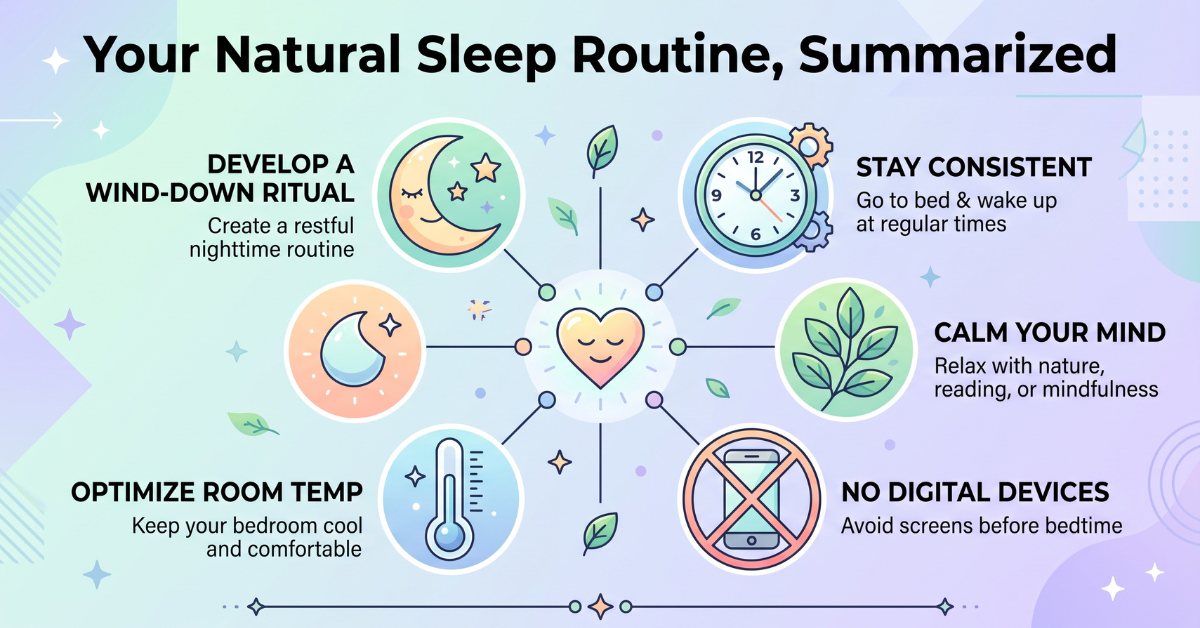
Ultimately, there is no single supplement, gadget, or biohack that fully replaces the natural ways to improve sleep without supplements covered in this guide: a dark, cool, quiet room; genuine morning light exposure; mindful eating and drinking habits; well-timed movement throughout the week; a nervous system that is deliberately given permission to calm down each evening; and a mind that is allowed, on paper, to set its worries down for the night rather than carrying them silently into bed. Layer these eight strategies together rather than trying them in isolation, track what actually moves your own personal needle using the simple log above, and give the entire process the full month it genuinely deserves before judging the results.
Sleep, more than almost any other area of health, rewards patient consistency far more generously than it rewards short bursts of intensity or desperation. And unlike a pill that must be repurchased, refilled, and relied upon indefinitely, these habits only become easier, lighter, and more automatic the longer you genuinely keep them — which is, in the end, exactly what makes them worth the initial effort.
If there is a single takeaway worth carrying forward from everything covered in this guide, it is this: your body was never broken, and it never needed rescuing from the outside. It needed the right signals, delivered consistently, at the right times of day — darkness when it’s time to wind down, brightness when it’s time to wake up, movement and stillness in their proper places, and a mind that is occasionally given permission, in writing, to set its burdens down before the lights go out. None of that requires a subscription, a proprietary formula, or a leap of faith in an unregulated industry. It simply requires showing up for your own biology, one deliberate night at a time, until what once felt effortful becomes, quite literally, second nature — a genuinely sustainable outcome that no capsule, however cleverly marketed, has ever been able to reliably deliver on its own.
Stay dewy! 🌙 Bookmark WellbeingPrime.com for more evidence-based, supplement-skeptical wellness guides you can actually put to use tonight.
### Recommended Tags
natural sleep tips, circadian rhythm, sleep hygiene, insomnia relief, sleep without supplements
💡 Frequently Asked Questions (FAQ)
Do natural sleep methods work as fast as melatonin supplements?
Not always on the very first night, but often within days for environmental changes like temperature and darkness, and within two to four weeks for circadian-based habits like morning light exposure. Because natural methods address root causes rather than forcing drowsiness artificially, the results tend to be more durable over time and carry no dependency risk whatsoever.
Is it safe to combine natural sleep habits with an occasional melatonin product?
For most healthy adults, occasional situational use — such as during travel or jet lag — alongside strong foundational habits is generally considered low-risk. Nightly, indefinite use is where more open questions remain in the research, so it is worth treating supplements as an occasional backup rather than a nightly default, and checking with a healthcare provider if you take other medications regularly.
What’s the single most impactful change I can make this week?
Morning outdoor light exposure within an hour of waking tends to produce the broadest, fastest-compounding benefits of any single habit in this guide, since it anchors the entire downstream hormonal cascade governing both daytime alertness and nighttime sleepiness roughly fourteen to sixteen hours later.
Can napping undo the benefits of these strategies?
Short naps of twenty to thirty minutes earlier in the day are generally fine for most people and can boost alertness without meaningfully harming nighttime sleep. Long or late-afternoon naps, however, reduce the natural “sleep pressure” that helps you fall asleep at your usual bedtime, so they are worth minimizing while actively working on improving nighttime sleep quality specifically.
Does diet really matter as much as sleep environment or light exposure?
Diet plays a genuinely meaningful supporting role, particularly around caffeine and alcohol timing, but it typically ranks below environmental and circadian factors in terms of raw impact for most people. That said, the combination of good diet timing with the other seven strategies in this guide tends to produce noticeably better results than any single change pursued in isolation.
Are blue-light glasses actually worth buying, or is reducing screen time enough on its own?
Reducing overall screen time in the hour or two before bed remains the single most effective step, since it addresses both the light exposure and the mentally stimulating content simultaneously. Blue-light glasses are a reasonable secondary layer for situations where reducing screen time entirely is not realistic, such as unavoidable evening work, but they should not be treated as a full substitute for simply putting the screen down earlier.
How much does journaling actually help compared to something like meditation?
Both techniques target the same underlying goal — quieting a racing mind before sleep — through slightly different mechanisms. Journaling tends to work particularly well for people whose sleeplessness is driven by unfinished tasks or looping to-do lists, while meditation and body scans tend to work particularly well for people whose sleeplessness is driven more by generalized anxiety or physical tension. Many people find combining both, even briefly, produces better results than relying on either technique alone.
When should poor sleep be evaluated by a doctor instead of managed at home?
If sleep difficulty persists for several weeks despite consistent use of the strategies in this guide, or is accompanied by loud snoring, gasping for air, excessive daytime sleepiness, or symptoms of anxiety or depression, it is genuinely worth speaking with a healthcare provider or sleep specialist to rule out conditions like sleep apnea or a diagnosable insomnia disorder that benefit from more targeted, professional treatment.
Disclosure: This article contains affiliate links, and WellbeingPrime may earn a commission on qualifying purchases at no extra cost to you. This content is for general informational and educational purposes only and is not a substitute for professional medical advice, diagnosis, or treatment. Always consult a qualified healthcare provider regarding any sleep, health, or medication concerns.
🌿 Weekly wellness, health & beauty insights — straight to your inbox
Free subscription · Cancel anytime