
The Ultimate Holistic Morning Routine for Natural Energy: A Science-Backed Guide
By the WellbeingPrime Editorial Team · Evidence-based wellness · Updated 2026
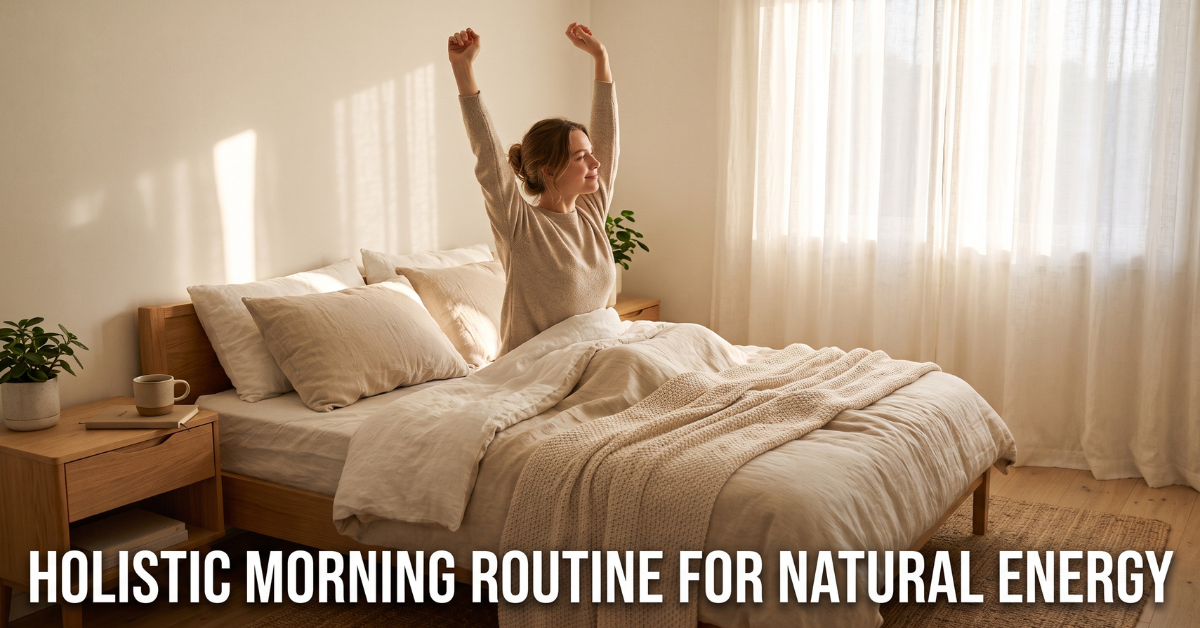
A truly energizing morning isn’t built on caffeine alone — it’s built on biology.
If you’ve ever rolled out of bed feeling like you never actually slept, reached for a third cup of coffee before 10 a.m., or hit that dreaded 2 p.m. energy crash, you are not alone — and you are not broken. What you’re experiencing is often the downstream effect of a morning that works against your biology instead of with it. At WellbeingPrime, we’ve spent this guide digging into the physiology of energy — cortisol, circadian rhythm, gut health, hydration status, and nervous system regulation — to build what we believe is the most complete, genuinely holistic morning routine framework available online today.
This isn’t a rigid 5 a.m. cold-plunge-and-ice-bath challenge. It’s a flexible, science-informed architecture you can adapt to your own life, whether you’re a night-shift nurse, a new parent, a founder running on four hours of sleep, or someone simply tired of feeling tired. We’ll walk through eight interconnected pillars — hydration, light exposure, movement, breathwork, nutrition, digital boundaries, reflective practice, and long-term ritual-building — explaining the “why” behind each one using real physiological mechanisms, not wellness folklore.
By the end of this guide, you’ll understand not just what to do when you open your eyes each morning, but why your body responds the way it does — and how a handful of intentional five-minute habits can compound into dramatically more stable, sustainable energy across your entire day.
It’s worth pausing on why “natural energy” has become such a widely searched, widely misunderstood phrase. For most of the twentieth century, energy management was framed almost entirely around stimulants — coffee to wake up, sugar to power through, alcohol to wind down. That model treats energy as something to be forced or borrowed against, rather than something the body generates naturally when its core systems are functioning well. The holistic model presented in this guide flips that assumption: instead of asking “what can I consume to feel more awake,” it asks “what physiological conditions does my body need in order to generate energy on its own.” That reframing changes everything about which habits actually matter. This guide lays out a complete holistic morning routine for natural energy that you can adapt starting tomorrow.
This shift also matters because stimulant-based energy strategies tend to be brittle — they work until they don’t, and when they stop working, the usual response is to increase the dose rather than question the underlying approach. Holistic, physiology-based energy strategies behave differently: they tend to build slowly, plateau at a genuinely higher baseline, and remain stable even on days when sleep or circumstances aren’t perfect. That resilience is the real prize, and it’s why we’ve structured this guide around mechanisms rather than trends.
1. Why Your Morning Sets the Tone for All-Day Energy
Before diving into individual habits, it’s worth understanding the biological reason mornings matter so much. Within the first hour of waking, your body undergoes what sleep scientists call the Cortisol Awakening Response (CAR) — a natural, healthy spike in cortisol that occurs 30 to 45 minutes after you open your eyes. This isn’t the “bad” stress-hormone cortisol you’ve read scary headlines about; in the right dose and at the right time, cortisol is your body’s built-in alarm clock. It mobilizes glucose, sharpens alertness, and helps regulate the rest of your 24-hour circadian rhythm.
The problem is that modern mornings — dim indoor lighting, immediate phone scrolling, skipped water, rushed commutes — routinely blunt or distort this natural cortisol curve. When the CAR doesn’t rise properly, your brain doesn’t get the “wake up, the day has started” signal it’s biologically expecting, and low-grade fatigue lingers well past your first coffee.
The Circadian Rhythm Connection
Your circadian rhythm is essentially a 24-hour internal clock, orchestrated primarily by a cluster of neurons in the hypothalamus called the suprachiasmatic nucleus (SCN). This master clock is synchronized largely by light exposure, meal timing, and physical activity. When your morning habits align with this internal clock — light exposure early, movement mid-morning, food at consistent times — your entire day’s hormonal cascade (cortisol, melatonin, insulin sensitivity) tends to run more smoothly. When they don’t, you’re essentially asking your body to run a marathon on a broken GPS.
Why “Holistic” Matters More Than “Optimized”
A lot of morning-routine content online treats the body like a machine to be optimized — more supplements, more biohacks, more data points. We take a different position: sustainable energy comes from a handful of interconnected systems (hydration, light, movement, nutrition, nervous system regulation) working together consistently, not from any single “hack.” That’s what makes a routine holistic rather than just optimized — it treats you as a whole, adaptive organism rather than a checklist.
The Hormonal Cascade That Follows Waking
Cortisol doesn’t act alone. Its rise in the first hour after waking interacts with several other systems: it influences blood glucose release from the liver, modulates immune activity, and interacts with the hypothalamic-pituitary-adrenal (HPA) axis that also governs your stress response throughout the day. A well-timed, appropriately-sized cortisol curve in the morning is associated with better mood stability and more consistent energy; a blunted or delayed curve — common in people with irregular sleep schedules or chronic stress — is associated with the kind of persistent, hard-to-explain fatigue that no amount of coffee seems to fix. Every pillar in this guide, directly or indirectly, is a lever on this same hormonal cascade.
2. Pillar One: Rehydrate Before You Caffeinate

Your brain is roughly 75% water — mild dehydration is one of the most under-diagnosed causes of morning brain fog.
After six to nine hours without any fluid intake, most people wake up in a mild state of dehydration — even if they never feel classically “thirsty.” Research on hydration and cognitive performance has repeatedly shown that even a 1-2% drop in body water content can measurably impair concentration, short-term memory, and mood, producing symptoms that feel a lot like generic tiredness. This is one of the simplest and most overlooked reasons people reach for coffee the moment they wake up — the fatigue they’re feeling may be dehydration in disguise, not a genuine caffeine deficiency.
The Cortisol-Coffee Timing Trap
Here’s a detail most people miss: because cortisol is naturally elevated in the first 30-45 minutes after waking, drinking coffee immediately can actually blunt caffeine’s effectiveness over time, since caffeine and cortisol compete for similar alertness pathways. Many sleep and nutrition researchers suggest delaying caffeine by 60-90 minutes and using that early window for water and light exposure instead. This doesn’t mean giving up coffee — it means sequencing it more intelligently so it actually works when you need it, rather than stacking on top of a hormone spike that’s already doing the job.
A Practical Hydration Protocol
A simple, evidence-informed approach: drink 12-16 oz (roughly 350-475ml) of room-temperature or warm water within the first ten minutes of waking, ideally with a pinch of sea salt or a squeeze of lemon to support electrolyte balance and gentle digestive stimulation. If you exercise in the morning or live in a hot, humid climate, consider an electrolyte packet rather than plain water alone, since sodium and potassium are essential for actual cellular rehydration — not just fluid volume.
This single five-minute habit is arguably the highest-leverage, lowest-effort change in this entire guide. It costs nothing, requires no equipment, and directly supports the two systems — brain function and digestion — that most influence how “energized” you subjectively feel by mid-morning.
Why Electrolytes Matter More Than Volume Alone
A common mistake is assuming that hydration is purely about how many ounces of water you drink. In reality, water needs sodium, potassium, and magnesium to actually move across cell membranes and rehydrate tissue efficiently — a process governed by osmotic pressure. Drinking large volumes of plain water without any accompanying electrolytes can, in some cases, simply pass through the body without meaningfully improving cellular hydration, and in extreme cases can even dilute sodium levels. This is why a pinch of salt, a splash of citrus, or a small serving of an electrolyte blend in your first glass of water tends to outperform water alone for actually resolving that groggy, dehydrated feeling.
Debunking the “8 Glasses a Day” Myth
The often-repeated “eight glasses a day” guideline is a helpful rule of thumb but not a precise physiological target — actual hydration needs vary significantly based on body size, activity level, climate, and even the water content of your diet (fruits and vegetables contribute meaningfully to total fluid intake). Rather than rigidly counting ounces, a more useful marker is urine color: pale straw-yellow generally indicates adequate hydration, while darker yellow suggests it’s time to drink more, particularly first thing in the morning.
3. Pillar Two: Anchor Your Body Clock With Morning Light

Ten minutes of natural light can do more for your energy than an extra ten minutes of sleep.
Of all the habits in this guide, morning light exposure has arguably the strongest research backing in circadian biology. Specialized photoreceptor cells in the retina, called intrinsically photosensitive retinal ganglion cells (ipRGCs), detect blue-spectrum light and send a direct signal to the suprachiasmatic nucleus, effectively telling your brain “the day has begun.” This signal does two critical things: it helps appropriately time your cortisol awakening response, and it sets a 14-16 hour countdown until your brain begins releasing melatonin again that evening — meaning better morning light often translates directly into better sleep quality that night.
Why Screens Don’t Count
Even the brightest phone or laptop screen delivers only a fraction of the lux (light intensity) of outdoor daylight, even on an overcast day. Indoor lighting typically measures 100-500 lux; outdoor daylight, even under cloud cover, can measure 1,000-10,000+ lux. This is why “I looked at my phone” is not a substitute for stepping outside — your ipRGCs need genuine intensity, not just blue-toned light, to send a strong enough circadian signal.
How to Build This Habit
Aim for 5-15 minutes of outdoor light exposure within the first hour of waking — a balcony, a porch, a short walk, or even standing by an open window with the glass removed from the light path (window glass filters much of the beneficial spectrum). You don’t need direct sun in your eyes; ambient outdoor brightness is sufficient and safer for your eyes. On darker winter mornings, a 10,000-lux light therapy lamp used for 15-20 minutes is a well-studied and legitimate substitute, particularly for those managing seasonal low mood.
Seasonal and Geographic Adjustments
Your light needs shift meaningfully with the seasons and your latitude. In summer, sunrise light exposure may be available as early as 5:30 a.m., while in winter at higher latitudes, true daylight might not appear until well into your workday. During darker months, consistency matters more than perfection — even a cloudy-day walk delivers meaningfully more lux than staying indoors, and pairing it with a light therapy lamp on your desk during the darkest stretch of winter can help maintain a stronger circadian signal when natural sunrise light simply isn’t available early enough.
What About Sunglasses and Sunscreen?
For the specific purpose of circadian light exposure, it’s best to avoid sunglasses during this brief morning window, since they filter much of the exact wavelength range your ipRGCs are trying to detect. This doesn’t mean abandoning sun protection altogether — sunscreen on skin doesn’t interfere with the eyes’ light signal, so it’s entirely compatible with this practice. Simply save the sunglasses for later once the circadian signal has been received, particularly if you’ll be outside for extended periods afterward.
4. Pillar Three: Gentle Movement to Wake Up the Nervous System

Movement doesn’t need to mean a workout — it needs to mean circulation.
After hours of stillness, your lymphatic system, blood circulation, and joint synovial fluid are all relatively sluggish. Gentle movement — not necessarily an intense workout — helps mechanically “pump” blood and lymph back into circulation, delivering oxygen and nutrients to tissues that have been idle overnight. This is part of why a short walk or a few minutes of stretching can feel disproportionately energizing compared to their modest caloric cost.
Low-Barrier Movement Options
You don’t need a gym membership or an hour of free time. Five to ten minutes of any of the following is enough to meaningfully shift how alert you feel: a short walk around the block, a simple sun salutation sequence, dynamic stretching targeting the hips and shoulders (areas that stiffen most from sleep posture), or even just a few minutes of bodyweight movement like squats and arm circles. The goal at this stage isn’t fitness performance — it’s circulation and nervous system activation.
🏋️ Bring the Studio Home With JustFit
Not everyone has time for a commute to a gym before work — and honestly, you don’t need one. JustFit turns your living room into a full workout studio with guided, on-screen routines you can follow in real time, from five-minute morning stretch flows to full strength sessions. No equipment required to start, no guesswork about form, and no wasted time scrolling for the “right” video. Just open the app and move.
Try JustFit at Home →Pairing Movement With Light
If you can combine Pillars Two and Three — moving your body while outside in natural light — you effectively double the circadian and circulatory benefit in the same time window. A 10-minute outdoor walk covers both boxes at once, which is why it’s one of the most consistently recommended habits across sleep medicine, endocrinology, and mental health research alike.
The Lymphatic System: The Body’s Overlooked Drainage Network
Unlike your circulatory system, which has the heart as a dedicated pump, your lymphatic system relies almost entirely on muscle contraction and movement to circulate lymph fluid — the fluid responsible for clearing cellular waste and supporting immune function. After a full night lying still, lymphatic flow slows considerably. This is part of why people who go straight from bed to a desk chair often report feeling puffier, stiffer, and mentally slower than those who incorporate even brief movement first — the physical sluggishness and the mental sluggishness are more connected than most people realize.
Movement Intensity: Less Is More in the Morning
It’s worth explicitly noting that high-intensity exercise first thing in the morning isn’t necessary — and for some people, can actually spike cortisol on top of an already-elevated natural curve, leaving them feeling wired rather than steadily energized. Reserve higher-intensity training for later in the morning or afternoon if that’s your preference, and use this early window specifically for gentle, circulation-focused movement.
5. Pillar Four: Regulate Your Nervous System With Breathwork
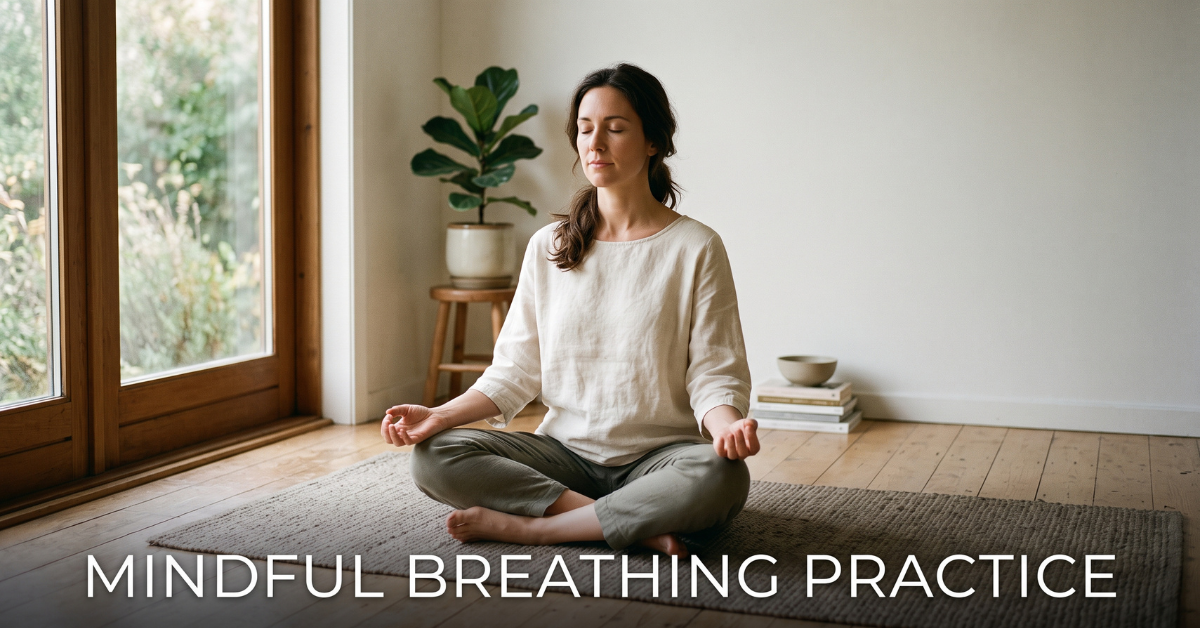
Before you can direct your energy outward, your nervous system needs to know it’s safe.
Many people wake up already in a mildly activated “fight or flight” state — checking notifications, mentally reviewing the day’s to-do list, feeling a subtle undercurrent of urgency before their feet even hit the floor. This sympathetic nervous system activation, sustained over the whole morning, is metabolically expensive and tends to produce jittery, anxious energy rather than clear, stable energy.
The Physiology of Slow Breathing
Slow, extended-exhale breathing directly stimulates the vagus nerve, the primary conduit of your parasympathetic (“rest and digest”) nervous system. Techniques such as box breathing (inhale 4 counts, hold 4, exhale 4, hold 4) or physiological sighs (a double inhale through the nose followed by a long exhale through the mouth) have been studied for their ability to lower heart rate variability stress markers and shift subjective calm within just a few minutes.
A Two-Minute Morning Practice
You don’t need a 20-minute meditation cushion ritual to benefit. Sit or stand comfortably, close your eyes if that feels comfortable, and perform 5-10 rounds of slow nasal breathing with a longer exhale than inhale (for example, a 4-second inhale and a 6-8 second exhale). This single practice, done consistently, trains your baseline nervous system state to start the day from calm alertness rather than reactive urgency — which tends to produce steadier energy that doesn’t spike and crash the way anxious, cortisol-driven energy often does.
Heart Rate Variability as a Feedback Signal
Heart rate variability (HRV) — the natural variation in time between heartbeats — is increasingly used as a proxy for nervous system balance. Higher HRV generally reflects a nervous system that can flexibly shift between alert and calm states, while chronically low HRV is associated with sustained stress load. Slow, extended-exhale breathing is one of the few voluntary actions that can measurably raise HRV in real time, which is part of why it’s used not only in wellness circles but increasingly in clinical stress-management and cardiac rehabilitation settings.
Breathwork for Non-Meditators
If seated meditation has never appealed to you, breathwork can be practiced anywhere without ceremony — in the shower, while the kettle boils, or during your commute. The mechanism doesn’t require stillness or a quiet room; it requires only the breath pattern itself. This makes it one of the most accessible pillars in this entire guide for people who feel intimidated by more formal mindfulness practices.
6. Pillar Five: Nourish With Intention, Not Just Convenience

Blood sugar stability, not just calorie count, determines how your energy behaves for the next four hours.
What — and how — you eat in the morning has an outsized effect on your energy curve for the rest of the day. A breakfast heavy in refined carbohydrates and sugar (think pastries, sweetened cereal, or juice) tends to produce a sharp glucose spike followed by a reactive insulin surge and a subsequent crash, often arriving right around mid-morning. A breakfast built around protein, fiber, and healthy fats produces a much flatter, more sustained glucose curve, which translates to steadier, calmer energy with fewer cravings later on.
The Gut-Energy Connection
Emerging research into the gut microbiome has drawn increasingly strong connections between digestive regularity, microbial diversity, and systemic energy levels — largely through the gut’s role in nutrient absorption, inflammation regulation, and even neurotransmitter production (a striking percentage of the body’s serotonin is produced in the gut). Chronic bloating, irregularity, or sluggish digestion can quietly drain the energy that would otherwise go toward feeling alert and clear-headed. This is one of the most under-discussed levers in the “natural energy” conversation — you can nail hydration, light, and movement perfectly and still feel foggy if your digestion is working against you.
🌿 Morning Nutrition Support Worth Knowing About
FOODOLOGY Coleology Bowel Movement Jelly is a fiber-and-probiotic-forward gut wellness stick designed to support digestive regularity — a small daily habit that pairs naturally with a fiber-rich breakfast to keep your gut (and by extension, your energy) running smoothly.
orthomol Sport combines essential vitamins, minerals, Omega-3, CoQ10, and L-carnitine into a single daily packet — formulated to support energy metabolism and recovery for people with active mornings and demanding schedules.
*These statements have not been evaluated by the Food and Drug Administration. This product is not intended to diagnose, treat, cure, or prevent any disease. Consult your physician before starting any new supplement, especially if pregnant, nursing, or managing a medical condition.
Building a Balanced Morning Plate
A practical template: pair a protein source (eggs, Greek yogurt, cottage cheese, or a plant-based equivalent) with a fiber source (oats, whole fruit, chia or flax seeds) and a small amount of healthy fat (nuts, seeds, avocado, or olive oil). This combination slows gastric emptying and gives you a much longer runway of stable blood sugar than a carbohydrate-only breakfast — or skipping breakfast entirely, which for many people simply defers the crash rather than avoiding it.
What About Intermittent Fasting?
Intermittent fasting works well for some people and poorly for others, and the honest, evidence-based answer is that it’s highly individual. Some people report stable, even improved energy while delaying their first meal; others — particularly those who are highly active, pregnant or nursing, or prone to blood sugar swings — feel noticeably worse. If you choose to fast in the morning, the other pillars (hydration, light, movement, breathwork) become even more important, since they don’t rely on food intake to deliver their benefits, and can help sustain energy during the fasting window.
Protein’s Underrated Role in Morning Alertness
Protein-rich foods supply amino acids like tyrosine, a direct precursor to dopamine and norepinephrine — two neurotransmitters closely tied to alertness and focus. This is one reason a protein-forward breakfast tends to produce a more noticeably “clear-headed” feeling compared to a carbohydrate-heavy one, independent of the blood-sugar-stability benefits already discussed. Aiming for roughly 20-30 grams of protein at breakfast is a reasonable target for most adults, whether that comes from eggs, yogurt, a protein shake, or plant-based sources like tofu and legumes.
7. Pillar Six: Protect Your Morning From Digital Noise

The first input your brain receives sets the emotional tone for everything that follows.
For most people, the first act of the day is unlocking a phone — and the first content encountered is often someone else’s agenda: a notification, an email, a headline, a message that demands a reaction. This means the emotional and cognitive tone of your morning is frequently being set by external inputs before you’ve had a chance to set it yourself. Research on attention and cognitive load suggests that this kind of immediate context-switching, first thing in the morning, contributes to a background hum of low-grade stress that can persist for hours — often mistaken for generalized “tiredness” or “brain fog” when it’s really unmanaged mental load.
A Simple Screen-Delay Practice
Consider protecting the first 20-30 minutes after waking as a phone-free buffer — enough time to complete your hydration, light exposure, and breathing practices before your attention gets pulled into other people’s priorities. If your phone doubles as your alarm, consider a simple physical alarm clock instead, which removes the temptation entirely.
Dopamine, Novelty, and Why Notifications Feel So Compelling
Notifications are engineered around variable reward schedules — the same psychological principle behind slot machines — which makes checking your phone feel compelling regardless of whether the content inside is actually valuable or urgent. Each unread badge or new message triggers a small dopamine-driven anticipation response, and repeated exposure to this pattern first thing in the morning can make it genuinely harder to feel satisfied by slower, quieter activities like stretching or journaling later in your routine. Delaying that first check isn’t about willpower alone; it’s about not activating that reward loop before you’ve had a chance to establish a calmer baseline state.
The Privacy Dimension of Digital Wellness
Digital wellness isn’t only about screen time — it’s also about what happens in the background every time you do connect. Every morning, the moment you check email on your home Wi-Fi, join a coffee shop network, or sync your calendar across devices, your personal data — location, browsing habits, even login credentials — is potentially exposed to tracking, interception, or unauthorized collection. Most people never think about this until something goes wrong: a compromised account, unexpected charges, or personal information turning up somewhere it shouldn’t.
🔒 Your Data Is Exposed More Often Than You Think
Every unsecured network you connect to — your home router, a café’s public Wi-Fi, even your mobile carrier — is a potential window into your personal data. Internet providers can see and sell your browsing activity. Public networks can expose your passwords, banking sessions, and private messages to anyone else on that connection. A VPN encrypts your traffic and masks your location, closing that window before it’s ever opened. It takes less than a minute to turn on — and it’s one less thing to worry about every single time you go online.
Protect Your Privacy Now →8. Pillar Seven: Anchor the Day With Reflection and Ritual

A ritual is simply a habit you’ve decided to be intentional about.
The final pillar isn’t physiological in the same direct way as hydration or light — but its downstream effects on energy are just as real. Gratitude journaling and brief reflective writing have been studied extensively in positive psychology research, with consistent findings linking the practice to improved mood, reduced rumination, and better subjective wellbeing. When you start your day naming what’s going well or what you’re looking forward to, rather than immediately triaging what’s going wrong, you shift your baseline emotional state — and emotional state is deeply intertwined with perceived energy. Anxiety and low mood are both metabolically taxing; a calmer, more grounded start conserves mental bandwidth for the rest of the day.
A Simple Two-Minute Journaling Prompt
You don’t need elaborate prompts or a fifteen-page morning pages practice. Three lines are enough: one thing you’re grateful for, one intention for the day, and one thing you’re looking forward to. Written consistently, even in a plain notebook, this tiny ritual becomes a psychological anchor — a stable, repeatable moment of agency before the day’s demands take over.
Why Writing Beats Thinking
It’s tempting to assume that simply “thinking positive thoughts” during your commute accomplishes the same thing as journaling, but research on expressive and reflective writing suggests the physical act of writing engages working memory and language-processing regions of the brain in a way that mental rumination doesn’t. Writing forces specificity — you can’t write “I’m grateful for stuff” the same way you might vaguely think it — and that specificity appears to be part of what drives the mood and clarity benefits associated with the practice.
Energy From the Inside Out
It’s worth noting that how you feel in your body — skin, hair, nails, overall vitality — also feeds back into how energized and confident you feel starting the day. This is part of why a growing number of wellness routines pair internal nutrition support with visible self-care rituals; feeling good and looking well-rested reinforce each other more than most people expect.
✨ Complete the Ritual: Beauty From Within
orthomol Beauty is a daily supplement built around collagen, hyaluronic acid, CoQ10, and antioxidants — designed to support hair, skin, and nail health from the inside as part of a consistent morning ritual. Pair it with your journaling practice as a two-minute act of self-care that starts your day on your own terms.
🇺🇸 Shop orthomol Beauty (US Customers) →*These statements have not been evaluated by the Food and Drug Administration. This product is not intended to diagnose, treat, cure, or prevent any disease. Not for use by those under 14, pregnant, or breastfeeding. Consult your physician before use.
Whichever tools you choose to layer on top of the seven foundational pillars, remember that supplementation and self-care rituals work best as reinforcement for a routine that’s already grounded in hydration, light, movement, and rest — not as a shortcut around them.
8.5 A Note on Tracking Your Own Response
Every principle in this guide is grounded in general physiology, but individual responses vary meaningfully based on genetics, baseline health, sleep debt, and life circumstances. Rather than adopting every recommendation as an absolute rule, treat this guide as a structured starting hypothesis and pay attention to your own data.
Simple Self-Tracking Without Overcomplicating It
You don’t need a wearable device to gather useful information about your own energy patterns, though one can help if you already own one. A simple 1-10 energy rating jotted in your journal at three points — right after waking, mid-morning, and mid-afternoon — over the course of two to three weeks can reveal patterns that are otherwise easy to miss: perhaps you notice your energy consistently dips on days you skip the light-exposure step, or that a protein-forward breakfast reliably extends your steady-energy window by an extra hour compared to a carbohydrate-heavy one. This kind of lightweight, personal data collection turns the guide from a generic template into something calibrated specifically to your own physiology.
When to Involve a Healthcare Professional
If you’ve consistently applied these principles for six to eight weeks and persistent fatigue, brain fog, or low energy remain unresolved, that’s a meaningful signal worth bringing to a doctor rather than continuing to self-adjust indefinitely. Conditions such as anemia, thyroid dysfunction, sleep apnea, and depression can all present primarily as low energy, and no morning routine, however well-designed, is a substitute for appropriate medical evaluation when an underlying condition is present.
9. Your Holistic Morning Routine for Natural Energy: A Sample 45-Minute Plan
Rather than treating these seven pillars as separate chores, here’s how they can be layered into a single, realistic 45-minute window:
- 0:00–0:05 — Drink 12-16oz of water with lemon or a pinch of salt. Leave your phone where it is.
- 0:05–0:15 — Step outside (or open a window fully) for natural light exposure while doing light stretching or a short walk.
- 0:15–0:20 — Five to ten rounds of slow, extended-exhale breathing.
- 0:20–0:35 — Prepare and eat a protein-and-fiber-forward breakfast; take any morning supplements alongside it.
- 0:35–0:40 — Two to three lines of gratitude or intention journaling.
- 0:40–0:45 — Only now, check your phone and messages — on your terms, not the notification’s.
Notice that none of this requires waking up dramatically earlier — most of these steps can be compressed, combined, or trimmed to fit a 20-minute version on busier days. The architecture matters more than the exact duration: hydrate before stimulating, get light before screens, move before sitting, and reflect before reacting.
Building the Habit Without Burning Out on It
Behavioral science on habit formation consistently shows that stacking too many new habits at once is the most common reason morning routines fail within the first two weeks. Instead of adopting all seven pillars simultaneously, pick one — hydration is the easiest starting point for most people — and practice it consistently for a week or two before layering in the next. This “habit stacking” approach, attaching a new behavior to an already-automatic one (like brushing your teeth), dramatically increases the odds the routine actually sticks past the initial motivation phase.
10. Common Mistakes That Sabotage Morning Energy
Mistake 1: Caffeine Before Water
As covered above, reaching for coffee before rehydrating compounds mild dehydration and can blunt caffeine’s later effectiveness. Flip the order: water first, coffee 60-90 minutes later.
Mistake 2: Checking Your Phone Within the First Five Minutes
This immediately shifts your nervous system into reactive mode before you’ve had any chance to set your own tone for the day.
Mistake 3: Skipping Breakfast or Defaulting to Sugar
Both patterns tend to produce a mid-morning energy crash — either from prolonged fasting-induced low blood sugar or a rapid glucose spike-and-drop cycle.
Mistake 4: Staying Indoors All Morning
Without adequate light exposure, your circadian rhythm receives a weaker “start the day” signal, which can leave both morning alertness and evening sleep quality compromised.
Mistake 5: Treating Rest Days as Routine-Free Days
Consistency, even in a scaled-down form on weekends, helps keep your circadian rhythm stable. Wildly inconsistent wake times — sometimes called “social jet lag” — can undermine even a well-designed weekday routine.
11. Adapting the Routine to Your Real Life
Not everyone has 45 uninterrupted minutes before responsibilities begin. Parents of young children, shift workers, and caregivers in particular need routines that flex, not routines that demand a specific quiet environment. If your mornings are chaotic, consider a “minimum viable routine”: water immediately upon waking, thirty seconds by a window or doorway for light, and three slow breaths before your feet hit the floor. This compressed version still activates the same core physiological signals — hydration, light, and nervous system regulation — even without the full sequence.
For shift workers whose “morning” might be 6 p.m., the same principles apply relative to your own wake time rather than the clock: hydrate upon waking, seek bright light (natural or a light-therapy lamp) shortly after waking to anchor your personal circadian cycle, and protect the first stretch of your “day” from immediate digital demands, regardless of what time it technically is outside.
For Travelers and Frequent Time-Zone Changers
Crossing time zones essentially forces an abrupt circadian reset, and morning light exposure is one of the most effective tools for speeding up that adjustment. Upon arrival at a new destination, seek outdoor light as close to local morning as possible, even if your body feels like it’s the middle of the night — this accelerates the resynchronization of your suprachiasmatic nucleus to the new light-dark cycle far faster than sleep alone. Pairing this with delayed caffeine and a protein-forward first meal at the new local time can meaningfully shorten the jet-lag adjustment window.
For People Recovering From Burnout
If you’re coming out of a period of chronic stress or burnout, resist the urge to implement this entire guide at once — that impulse to “fix everything immediately” is often itself a symptom of the same all-or-nothing pattern that contributed to burnout in the first place. Start with the two gentlest pillars: hydration and breathwork. Both require no willpower to sustain motivation for, and both directly support nervous system recovery, which is typically the most urgent priority during this stage.
12. The Long-Term Payoff of a Holistic Morning Practice
None of these individual habits are dramatic on their own. That’s actually the point. Consistency is what turns a one-off good morning into a genuine holistic morning routine for natural energy that lasts. Sustainable energy rarely comes from a single intense intervention — it comes from the compounding effect of several small, correctly-sequenced habits practiced consistently over weeks and months. Hydration supports cognition. Light exposure anchors your circadian rhythm, which improves sleep, which improves next-day energy. Movement supports circulation. Balanced nutrition stabilizes blood sugar. Breathwork lowers baseline stress. Digital boundaries protect your attention. Reflection anchors your mood. Individually modest; collectively, transformative.
Give any single pillar two weeks before judging its impact, and give the full stack six to eight weeks before expecting it to feel automatic. Energy built this way — through consistent physiological alignment rather than stimulants alone — tends to be remarkably more stable than the spiky, caffeine-dependent energy most people are used to living with.
Perhaps the most important reframe we can leave you with is this: your morning energy isn’t a fixed trait, a matter of luck, or something reserved for “morning people.” It’s the measurable output of a set of biological systems that respond predictably to how you treat them. Hydration, light, movement, breath, nourishment, attention, and reflection aren’t separate wellness trends competing for your time — they’re seven entry points into the same underlying system, and you don’t need to master all seven perfectly to feel the difference. Start with one. Let it become automatic. Add the next. Within a season, you may find that the version of “tired” you thought was simply part of who you are was, in fact, a morning working against your biology instead of with it.
13. Morning Routines Across Different Life Stages and Schedules
One of the most common reasons people abandon a morning routine is that they’ve copied a version designed for someone with a very different life than their own. The underlying physiology in this guide applies universally, but the implementation should look different depending on your circumstances.
For Parents of Young Children
Predictable quiet time before children wake is often unrealistic. Instead, look for pockets: hydrate at the kitchen sink while making breakfast for the kids, step onto the porch for sixty seconds while they eat, and save journaling for the two minutes after drop-off. The sequence matters more than the setting — you can hydrate, get light, and breathe even inside a chaotic fifteen-minute window.
For Remote Workers
Without a commute acting as a natural buffer between sleep and work, remote workers are especially prone to rolling from bed to laptop with no transition at all — effectively skipping every pillar in this guide. Building an artificial “commute,” even a ten-minute walk around the block before opening your laptop, can recreate that missing transition and dramatically change how the rest of the workday feels.
For Shift Workers and Night Owls
As mentioned earlier, “morning” is relative to your personal wake time, not the clock. The same sequence — hydrate, seek bright light, move gently, eat with intention, protect your first waking minutes from digital noise — applies whether your day begins at 6 a.m. or 6 p.m. What matters most for shift workers is consistency in wake time, since irregular schedules are one of the strongest disruptors of circadian health.
For Athletes and Highly Active Individuals
If your mornings include intense training, sequence still matters: hydrate and get some light exposure before a hard session, and consider that your nutrition needs will likely be higher than the general 20-30 gram protein guideline mentioned earlier. Recovery-focused nutrients like Omega-3s and CoQ10 become particularly relevant here, supporting the same energy metabolism pathways this guide has focused on throughout.
14. Morning Energy Myths, Debunked
Myth: “I’m just not a morning person.”
Chronotype — your natural tendency toward earlier or later sleep-wake timing — is real and partly genetic. But most people who identify as “not morning people” have never actually experienced a morning built around supportive hydration, light, and nutrition; they’ve experienced mornings built around alarm-shock, screens, and skipped meals. Chronotype affects your ideal wake time, not whether these physiological principles apply to you.
Myth: “More sleep is always better than a routine.”
Sleep quantity matters enormously, and this guide isn’t a substitute for adequate sleep. But sleep quality and next-day energy are also shaped by what happens in the first hour after waking — hitting snooze repeatedly, for instance, can fragment the tail end of sleep and leave you groggier than waking at a slightly earlier, consistent time and beginning your routine immediately.
Myth: “Energy drinks and coffee are basically the same as a good routine.”
Stimulants mask fatigue signals rather than resolving their underlying causes. They have a legitimate place, but a routine that addresses hydration, circadian alignment, and nervous system regulation works “underneath” the fatigue rather than papering over it — which is why people who build these habits often report needing less caffeine over time, not more discipline to abstain from it.
💡 Frequently Asked Questions (FAQ)
Q: How long does it take to notice more natural energy from a morning routine?
A: Some effects, like reduced brain fog from proper hydration, can be noticed within a few days. Deeper circadian and hormonal adjustments — like a more stable cortisol rhythm and improved sleep — typically take two to six weeks of consistent practice to fully stabilize. This is exactly why a holistic morning routine for natural energy is designed to work gradually rather than instantly.
Q: Do I need to wake up earlier to follow this routine?
A: Not necessarily. A compressed 15-20 minute version covering hydration, brief light exposure, and a few slow breaths captures most of the core physiological benefits, even without extending your total morning time.
Q: Is it bad to drink coffee immediately after waking up?
A: It’s not harmful, but many researchers suggest delaying caffeine 60-90 minutes after waking, since natural cortisol is already elevated during that window. Waiting can help caffeine feel more effective later in the morning, when cortisol naturally begins to dip.
Q: Can supplements replace the other pillars of this routine?
A: No. Supplements like daily multivitamins, Omega-3s, or gut-support fiber blends are meant to complement — not replace — foundational habits like hydration, light exposure, movement, and sleep. They work best as one supportive layer within a broader, consistent routine.
Q: What if I genuinely have no time in the morning?
A: Prioritize water and 30-60 seconds of natural light exposure — these two habits require the least time and offer some of the strongest evidence for supporting alertness and circadian alignment, even in isolation.
Q: Is it normal to feel tired even after a full night of sleep?
A: It can happen for several reasons, including mild morning dehydration, poor light exposure disrupting circadian timing, or a blood-sugar-heavy breakfast producing an early crash. If persistent tiredness continues despite consistent sleep and a supportive morning routine, it’s worth discussing with a healthcare provider, since it can also indicate an underlying medical issue such as a thyroid or sleep disorder.
Q: Should I follow this exact order every single day?
A: The order (hydrate, then light and movement, then food, then screens) is based on physiological sequencing and is worth prioritizing when possible. That said, a flexible, imperfect version practiced consistently will always outperform a “perfect” version abandoned after a week.
Q: Can children or teenagers follow a version of this routine?
A: The core principles — hydration, morning light, gentle movement, and a balanced breakfast — are broadly appropriate and even beneficial for children and teens, whose circadian rhythms are also sensitive to light and screen exposure. Specific supplements mentioned in this guide are formulated for adults and are not recommended for children unless a pediatrician advises otherwise.
Disclaimer: This article is for general informational and educational purposes only and does not constitute medical advice. It is not intended to diagnose, treat, cure, or prevent any disease or health condition. Individual results from any habit, product, or supplement mentioned in this article may vary. Please consult a qualified healthcare provider before making significant changes to your diet, exercise, or supplement routine, particularly if you are pregnant, nursing, managing a medical condition, or taking prescription medication.
We’ll continue expanding this series with deep dives into evening wind-down routines, seasonal energy management, and the science of sustainable focus — because a great morning is only half of a genuinely well-regulated day. Consider this guide your foundation, not your finish line.
Stay dewy! 🌿 Bookmark WellbeingPrime.com for more evidence-based wellness guides delivered with the same care and rigor as this one.
### Recommended Tags
morning routine, natural energy, circadian rhythm, holistic wellness, gut health
Rank Math SEO Settings
- Focus Keyword: holistic morning routine for natural energy
- SEO Title: Holistic Morning Routine for Natural Energy: 8 Steps
- Meta Description: This science-backed holistic morning routine for natural energy covers hydration, light, movement, breathwork and nutrition in 8 simple steps.
- Permalink: /holistic-morning-routine-for-natural-energy
- 추천 태그: morning routine, natural energy, circadian rhythm, holistic wellness, gut health
🌿 Weekly wellness, health & beauty insights — straight to your inbox
Free subscription · Cancel anytime