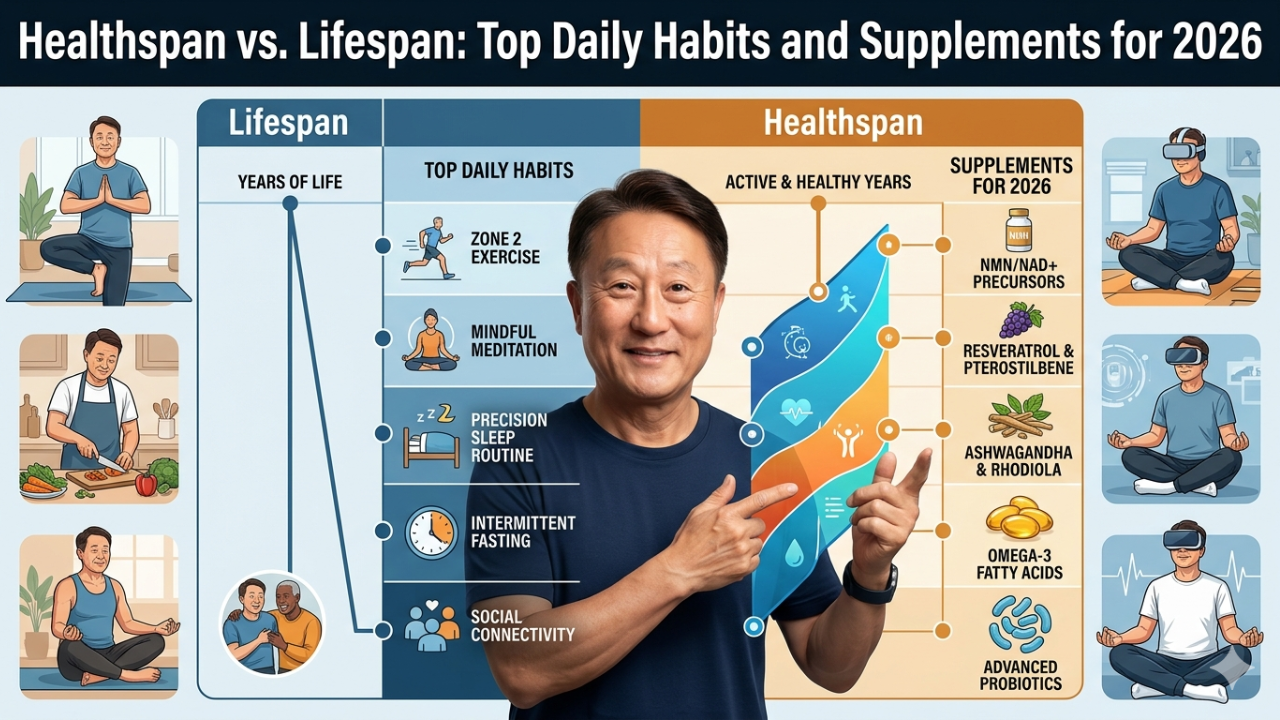
The Ultimate Guide to Everyday Wellness in 2026
By the WellbeingPrime Editorial Team | Evidence-Based Wellness Guide

Wellness in 2026 no longer looks like a single yoga class squeezed between meetings or a green juice photographed for social media. It has quietly matured into something more architectural — a set of interlocking daily systems, each reinforcing the next. Sleep researchers, nutritional scientists, and behavioral psychologists increasingly agree on one core principle: small, consistent inputs compound into disproportionately large outputs, a concept borrowed from habit-formation research and now central to how leading wellness institutions frame preventive health.
This guide walks through six interconnected pillars — morning ritual design, mindful nutrition, everyday movement, sleep architecture, mental resilience, and digital boundary-setting — each grounded in current health science and paired with practical, low-friction tools you can fold into an already busy life.
1. Morning Wellness Rituals: Priming the Circadian System
The first sixty minutes after waking carry outsized physiological weight. Cortisol — often maligned as a purely stress-related hormone — actually follows a healthy daily curve known as the Cortisol Awakening Response (CAR), peaking within 30–45 minutes of waking to help mobilize energy, sharpen alertness, and set the tone for circadian entrainment throughout the day. Chronobiology research consistently links a stable, well-timed CAR to better mood regulation and metabolic health, while irregular wake times tend to blunt this response.
Light, Hydration, and the First Micronutrient Window
Exposure to natural or bright light shortly after waking helps anchor the suprachiasmatic nucleus — the brain’s master circadian clock — reinforcing nighttime melatonin suppression and daytime alertness. Pairing that light exposure with rehydration matters too: after 7–9 hours without fluids, the body benefits from replenishing both water and micronutrients lost overnight through respiration and perspiration. This is where a well-formulated vitamin C intake earns its place in a morning stack — vitamin C is a cofactor in collagen synthesis and supports normal immune cell function, and unlike fat-soluble vitamins, it isn’t stored in large reserves, making consistent daily intake meaningful.
A Two-Minute Journaling Anchor
Behavioral psychologists studying habit stacking suggest attaching a new practice to an existing one to lower the activation energy required to start. A two-line journal entry — one intention, one gratitude — layered onto an existing coffee or tea ritual costs almost no extra time yet is associated in psychological literature with improved mood stability and reduced rumination.
🌿 Featured Morning Ritual Pick
A high-purity, USP-grade Vitamin C to support your morning hydration and immune-priming routine.
Shop on Amazon Shop on iHerb2. Mindful Nutrition: Nutrient Density Over Restriction

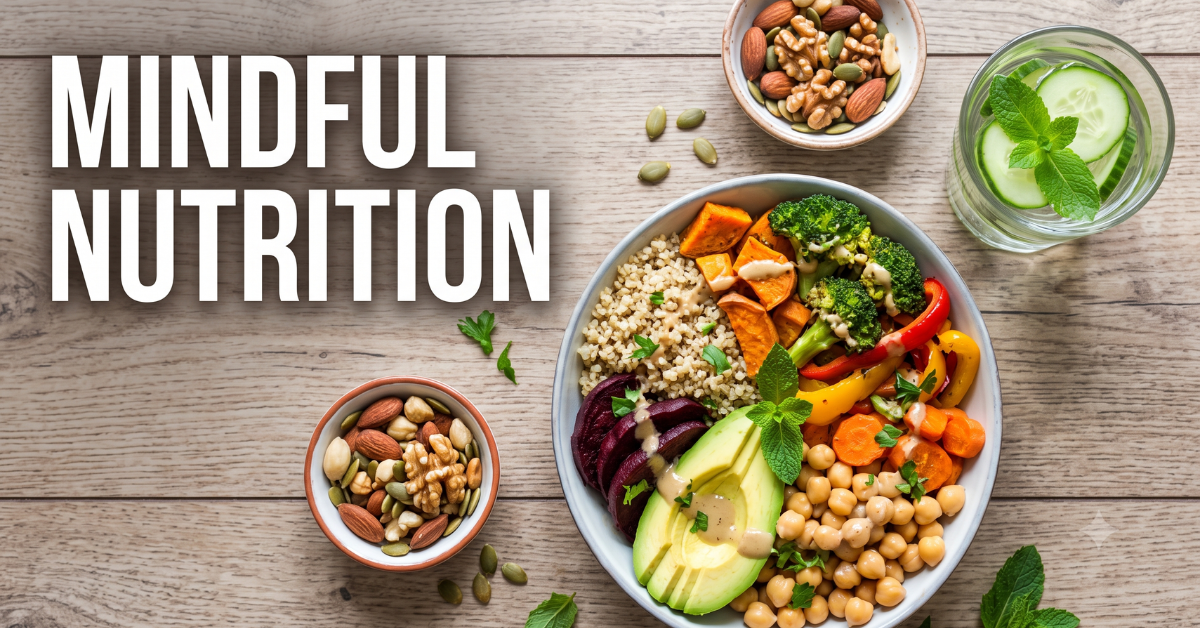
The 2026 nutrition conversation has largely moved past calorie-counting toward a framework nutrition scientists call nutrient density — maximizing the ratio of vitamins, minerals, fiber, and beneficial fats relative to total energy intake. This shift is reflected in updated dietary guidance from major public health bodies, which increasingly emphasize whole-food patterns over isolated macronutrient targets.
Fiber, the Gut Microbiome, and Fermentation of Prebiotics
Dietary fiber remains one of the most consistently under-consumed nutrients in Western diets. Beyond digestive regularity, fiber acts as a substrate for gut bacteria, which ferment it into short-chain fatty acids linked to reduced systemic inflammation and improved metabolic markers. Chia seeds are a particularly efficient fiber source: by volume, they deliver a notable combination of soluble fiber and plant-based omega-3 alpha-linolenic acid (ALA), while their gel-forming property when soaked can support satiety.
Eating Slowly as a Physiological Signal
Mindful eating isn’t just a psychological framing exercise — it has measurable digestive consequences. Satiety hormones such as leptin and cholecystokinin require roughly 15–20 minutes to signal fullness to the brain. Eating quickly tends to override this feedback loop, which researchers studying eating behavior connect to higher average caloric intake over time.
🌿 Featured Nutrition Pick
Organic chia seeds — an easy way to add fiber and plant-based omega-3s to any meal.
Shop on Amazon Shop on iHerb3. Everyday Movement: The Dose-Response Reality
Exercise physiology has long documented a dose-response relationship between physical activity and health outcomes — but the encouraging 2026 takeaway is that the steepest portion of that curve sits at the low end. Moving from sedentary to moderately active yields a disproportionately large reduction in cardiometabolic risk compared with moving from moderately active to elite-athlete levels. In practice, this means a brisk 20–30 minute walk, a few sets of bodyweight strength work, or a short mobility flow can deliver much of the available benefit.
Electrolyte Balance for Everyday Movers
Sodium, potassium, and magnesium are lost through sweat even during moderate-intensity activity, and their balance influences muscle contraction, nerve signaling, and fluid retention. For casual exercisers, plain water is usually sufficient for sessions under 45 minutes, but longer or warmer-weather sessions benefit from electrolyte replacement to prevent the fatigue and cramping associated with mild sodium depletion.
Habit Stacking Movement Into an Existing Routine
Rather than scheduling a separate “workout block,” the most sustainable 2026 movement strategies tend to attach activity to existing anchors — a walking call instead of a seated one, a short mobility sequence right after brushing teeth, or stairs instead of elevators. Consistency, not intensity, is the variable most associated with long-term adherence in behavioral exercise research.
🌿 Featured Movement Pick
A clean electrolyte formula to support hydration during everyday movement and workouts.
Shop on Amazon Shop on iHerb4. Sleep Optimization: Rebuilding Nightly Architecture

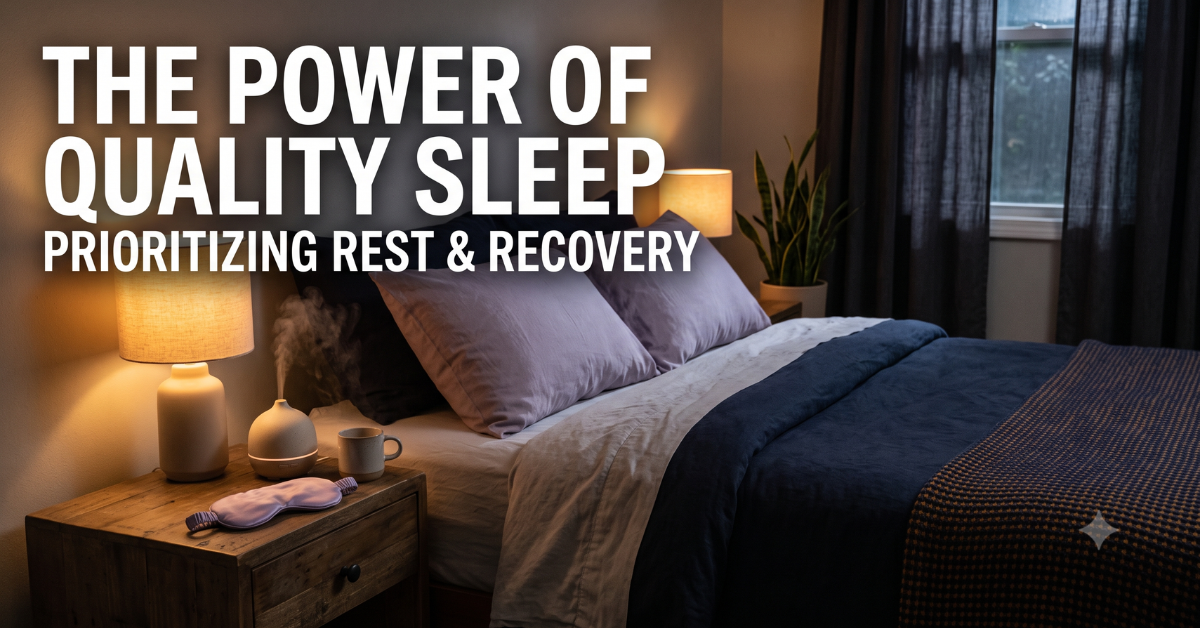
Sleep is no longer treated as passive downtime but as an active, structured process moving through distinct stages — light sleep, deep slow-wave sleep, and REM — each serving different restorative functions from physical tissue repair to memory consolidation. Sleep science increasingly frames sleep quality and consistency as at least as important as raw duration.
Melatonin’s Real Role
Melatonin is often misunderstood as a sedative; physiologically, it is better described as a timing signal that tells the body it is biologically nighttime, helping shift sleep onset earlier rather than forcing unconsciousness. This is why melatonin supplementation tends to be most effective for circadian misalignment — jet lag, shift work, or a drifting bedtime — rather than as a nightly requirement for everyone.
Environmental Sleep Hygiene
Cool room temperature (typically cited around 18–20°C / 65–68°F), minimal light exposure, and consistent wake times remain the most evidence-backed, low-cost sleep hygiene interventions — often outperforming supplementation alone when combined together.
🌿 Featured Sleep Pick
A simple, low-dose melatonin option to support circadian realignment when your sleep schedule drifts.
Shop on Amazon Shop on iHerb5. Mental Resilience: Regulating the Stress Response

Chronic low-grade stress activates the hypothalamic-pituitary-adrenal (HPA) axis repeatedly, keeping cortisol elevated in a way that differs meaningfully from the healthy morning spike discussed earlier. Prolonged HPA activation is associated in stress-physiology research with disrupted sleep, altered appetite regulation, and reduced immune resilience — making stress management a genuinely physical, not just emotional, priority.
Magnesium and Nervous System Regulation
Magnesium participates in over 300 enzymatic reactions in the body, including those governing neuromuscular signaling and GABA receptor function — the same inhibitory neurotransmitter system targeted by many calming interventions. Magnesium glycinate, a chelated form bound to the amino acid glycine, is frequently chosen for its comparatively gentle digestive profile relative to other magnesium salts.
Mindfulness as a Trainable Skill
Contemplative neuroscience research on mindfulness meditation has repeatedly linked consistent practice with measurable changes in attention regulation and emotional reactivity, reinforcing the idea that calm is less a personality trait and more a trainable skill built through repetition, even in sessions as short as five to ten minutes daily.
🌿 Featured Mental Resilience Pick
A well-absorbed, gentle magnesium glycinate to support nervous system regulation and everyday calm.
Shop on Amazon Shop on iHerb6. Digital Wellness: Reclaiming Attention as a Resource
Attention researchers increasingly treat sustained, uninterrupted focus as a finite, renewable resource — one that constant notifications actively deplete. Cognitive psychology has documented measurable “switching costs” every time attention shifts between tasks, meaning frequent phone checks carry a hidden productivity tax well beyond the seconds spent looking at the screen.
Blue Light and Evening Circadian Signals
Screens rich in blue-spectrum light in the evening can suppress natural melatonin release by signaling daytime to the suprachiasmatic nucleus, potentially delaying sleep onset. Simple boundary tools — a designated phone charging spot outside the bedroom, screen curfews, or amber-tinted evening settings — tend to outperform willpower alone in behavioral studies on digital habit change.
Designing Friction, Not Just Discipline
The most durable digital wellness strategies in 2026 rely less on discipline and more on environmental design — physically separating the device from the moment of temptation. Small structural changes, like a dedicated charging dock away from the nightstand, consistently outperform intention-based resolutions.
🌿 Featured Digital Wellness Pick
A simple tool to help you build physical distance between yourself and your screen in the evening.
Shop on AmazonBringing the Six Pillars Together
None of these six pillars — morning ritual, nutrition, movement, sleep, mental resilience, and digital boundaries — function in isolation. Poor sleep blunts next-day willpower for mindful eating; unmanaged stress disrupts sleep onset; and constant digital stimulation erodes the very attention needed to notice hunger cues or muscle fatigue in the first place. The most sustainable version of wellness in 2026 isn’t a single dramatic overhaul, but a quiet, compounding system of small, well-timed inputs reinforcing one another across the day.
Stay dewy! 💧 Bookmark WellbeingPrime.com for more evidence-based, everyday wellness guides.
💡 Frequently Asked Questions (FAQ)
Can I take Vitamin C, magnesium, and melatonin together?
Generally, these three are considered compatible when taken as directed, since they act through different pathways — vitamin C in immune and collagen support, magnesium in neuromuscular and nervous system function, and melatonin in circadian timing. However, always check with a healthcare provider if you take prescription medication or have an existing health condition.
Are there side effects to magnesium glycinate?
Magnesium glycinate is generally considered one of the more gut-friendly forms of magnesium compared to magnesium oxide or citrate, which are more likely to cause loose stools at higher doses. Mild drowsiness or digestive upset is still possible in some individuals, especially at higher doses.
How should chia seeds be prepared to get the most benefit?
Chia seeds are typically soaked in liquid for at least 10–15 minutes (or overnight) to form a gel, which many people find easier to digest than eating them dry. They can be added to smoothies, oatmeal, or yogurt.
Is it safe to take melatonin every night?
Melatonin is generally used for short-term circadian adjustment (such as travel or a shifting schedule) rather than as an indefinite nightly supplement, since the body produces its own melatonin naturally. Long-term nightly use should be discussed with a healthcare provider.
Do electrolyte supplements replace regular water intake?
No — electrolyte supplements are designed to complement, not replace, regular water intake. They are most useful during longer or more intense activity, hot weather, or when sweat loss is significant.
🌿 Weekly wellness, health & beauty insights — straight to your inbox
Free subscription · Cancel anytime