Health Disclaimer: This article is for informational purposes only and is not medical advice. Please talk with your doctor or pharmacist before changing your diet, starting a new exercise program, or trying any supplement or herbal product, especially if you are pregnant, breastfeeding, managing a chronic condition, or taking medication.
Affiliate Disclosure: This post contains affiliate links. If you buy through them, I may earn a small commission at no extra cost to you. As an Amazon Associate, I earn from qualifying purchases. Every habit in this guide works without buying anything.
Building a daily holistic wellness routine on a budget is far more possible than the glossy wellness world makes it look. Living in California, I’ve watched grocery bills climb and “self-care” turn into a shopping list of $40 candles, $90 serums, and monthly app subscriptions. And yet the habits that tend to matter most for how we feel — sleep, movement, real food, quiet moments, and connection — cost little or nothing at all.
If money is tight right now, you are not “behind” on wellness. You may simply be closer to the basics, and the basics are where the good stuff lives. This guide walks you through a gentle, realistic routine you can start tomorrow morning with what you already have at home: a glass of water, a window, a pair of walking shoes, and a few minutes of your own attention.
You’ll find a free morning ritual, low-cost eating ideas, movement that needs no gym, calming practices for your mind, an evening wind-down, and a simple 7-day starter plan. Nothing here asks you to be perfect. It only asks you to begin small.
What “Holistic Wellness” Really Means (and Why It Doesn’t Have to Cost Much)
“Holistic” simply means looking at the whole person. Instead of treating your body, mind, and daily life as separate projects, a holistic approach notices how they affect each other. Poor sleep makes stress harder to handle. Stress changes what we reach for in the pantry. A short walk outside can lift your mood and help you sleep better that night. Everything is connected.
That is good news for your wallet. Because these areas support each other, a few small, free habits can create a ripple effect across your whole day. You don’t need a separate product for every part of your life — a daily holistic wellness routine on a budget simply gives each pillar a little attention.
Most holistic routines rest on five simple pillars:
- Nourish — whole, simple foods and enough water
- Move — walking, stretching, and light strength work
- Calm — breathing, quiet time, journaling, or prayer
- Rest — steady sleep and real breaks during the day
- Connect — time with people, nature, and things that give your life meaning
Expensive Habit vs. Budget-Friendly Swap
Here is a quick look at how common “wellness purchases” compare with free or low-cost options that serve a similar purpose.
| Pricey Version | Budget Swap | Approx. Cost |
|---|---|---|
| Gym membership | Neighborhood walks + bodyweight exercises | $0 |
| Paid meditation app | Simple breathing practice or free library audio | $0 |
| Daily café latte | Home-brewed coffee or loose herbal tea | Pennies per cup |
| Pre-made “superfood” bowls | Oats, beans, lentils, frozen vegetables | Low |
| Spa retreat | Warm bath, candle, phone in another room | $0–$5 |
| Wellness books and courses | Your public library card | $0 |
The Free Morning Ritual: Water, Light, and a Gentle Stretch
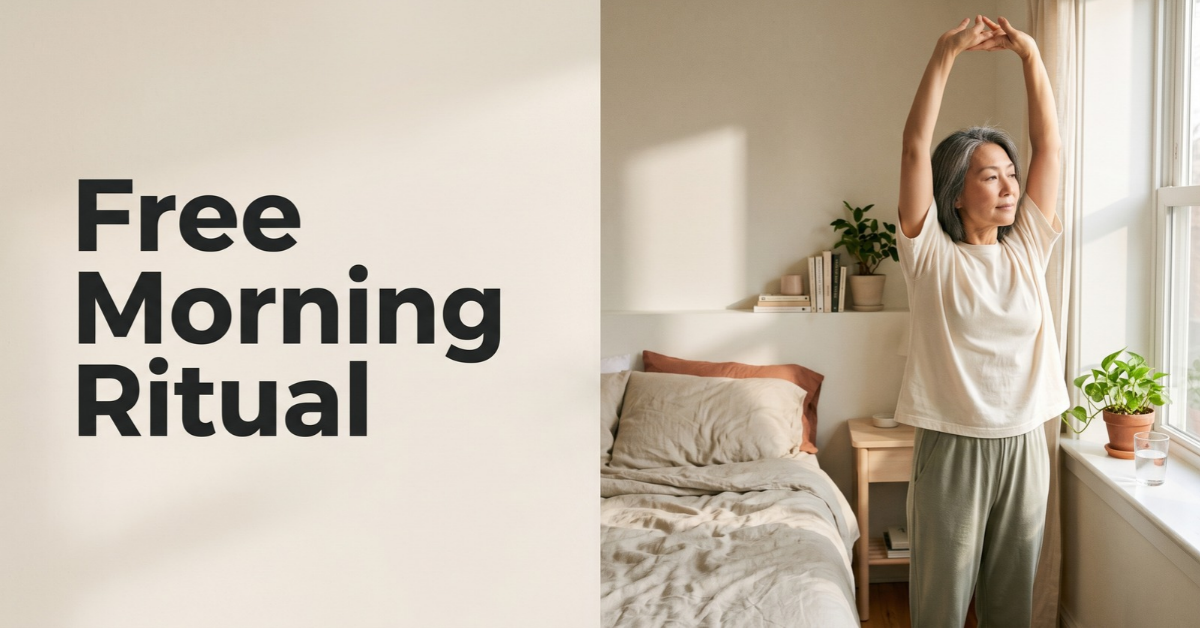
How you spend the first 15 minutes of the day often sets the tone for the next 15 hours. A calm morning doesn’t require a fancy routine. It just needs a little intention before you reach for your phone.
Your 15-Minute, $0 Morning
- Drink a glass of water first (1 minute). Keep a glass on your nightstand or by the sink so it’s the first thing you see. Plain tap water works perfectly.
- Open the curtains or step outside (3 minutes). Natural morning light helps your body tell day from night. If you can, stand on your porch or balcony and simply notice the sky.
- Stretch slowly (5 minutes). Reach your arms overhead, roll your shoulders, gently twist side to side, and do a few easy neck circles. Move only within a comfortable range.
- Take five slow breaths (2 minutes). Breathe in through your nose for a count of four, then out for a count of six. A longer exhale tends to feel naturally calming.
- Set one small intention (2 minutes). Ask yourself, “What’s one kind thing I can do for myself today?” Write it down or simply say it out loud.
- Phone-free breakfast (2+ minutes). Eat or sip something warm without scrolling. Even a few quiet bites count.
🌿 Gentle Tip
If mornings feel rushed, start with just one step — the glass of water. Once that feels automatic, add the light. Small habits stacked one at a time are much easier to keep than a full routine started all at once.
Love your morning coffee? There’s no need to give it up. Making it at home and drinking it slowly, away from your inbox, can turn an everyday habit into a small moment of calm that costs far less than a café drink.
Eat Well for Less: Simple, Whole Foods on a Tight Budget
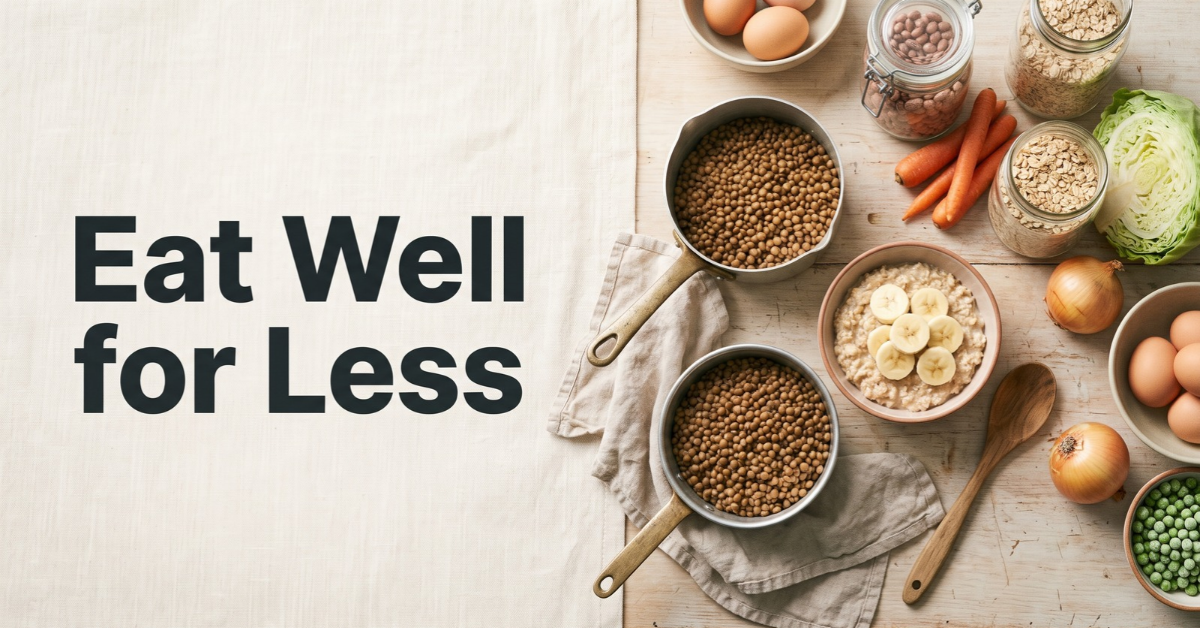
Healthy eating can feel expensive when it’s framed around trendy powders and specialty products. But the foundations of a nourishing plate — beans, grains, vegetables, fruit, and a source of protein — are some of the most affordable foods in any store.
The USDA’s MyPlate program sums up budget-friendly eating with three easy words: Plan, Compare, and Prepare. MyPlate also suggests planning your week’s meals around your food budget, building a grocery list of staples and fresh items, and buying what’s on sale — including frozen and canned foods.
The Budget Wellness Pantry
Keep a few of these low-cost staples on hand, and you’ll always be able to pull together a simple, nourishing meal:
| Food Group | Budget Staples |
|---|---|
| Grains | Rolled oats, brown rice, whole-wheat pasta, corn tortillas |
| Protein | Dried or canned beans, lentils, eggs, canned tuna or salmon, peanut butter |
| Vegetables | Cabbage, carrots, onions, sweet potatoes, frozen spinach, frozen mixed vegetables |
| Fruit | Bananas, apples, oranges in season, frozen berries |
| Flavor | Garlic, dried herbs, cinnamon, lemon, vinegar, a homegrown herb pot |
7 Money-Saving Kitchen Habits
- Shop with a list and check your fridge before you go.
- Compare unit prices (the small price-per-ounce label on the shelf) instead of package prices.
- Choose frozen produce. It’s picked ripe, lasts for weeks, and cuts down on waste.
- Cook once, eat twice. A big pot of lentil soup or chili becomes tomorrow’s lunch.
- Use “ugly” or end-of-day produce for soups, smoothies, and stir-fries.
- Buy store brands for basics like oats, beans, and frozen vegetables.
- Drink water first. Tap water costs almost nothing compared with bottled drinks and sodas.
The Comfort of a Simple Cup of Tea
A warm cup of tea is one of the most affordable rituals there is. Mint, chamomile, or ginger tea can turn a few quiet minutes into a real pause in your day. You can even grow your own mint on a windowsill and steep a few fresh leaves in hot water. (If you love the idea of growing herbs at home, you’ll find more ideas at dannywrites.us.)
One important note: herbal teas are not automatically harmless. Some herbs can interact with medications, including blood thinners and blood pressure medicines. If you take prescription medication, are pregnant or breastfeeding, or have a health condition, check with your doctor or pharmacist before adding new herbal teas to your routine.
Budget Pick · Herbal Tea
Don’t have a mint plant yet? A simple box of organic, caffeine-free chamomile tea is an affordable way to start a calming tea ritual, morning or evening. One box lasts for weeks.
Skip chamomile if you’re allergic to plants in the daisy family (such as ragweed), and check with your doctor if you’re pregnant, breastfeeding, or taking medication.
See Chamomile Tea on Amazon →Move Your Body Without a Gym Membership
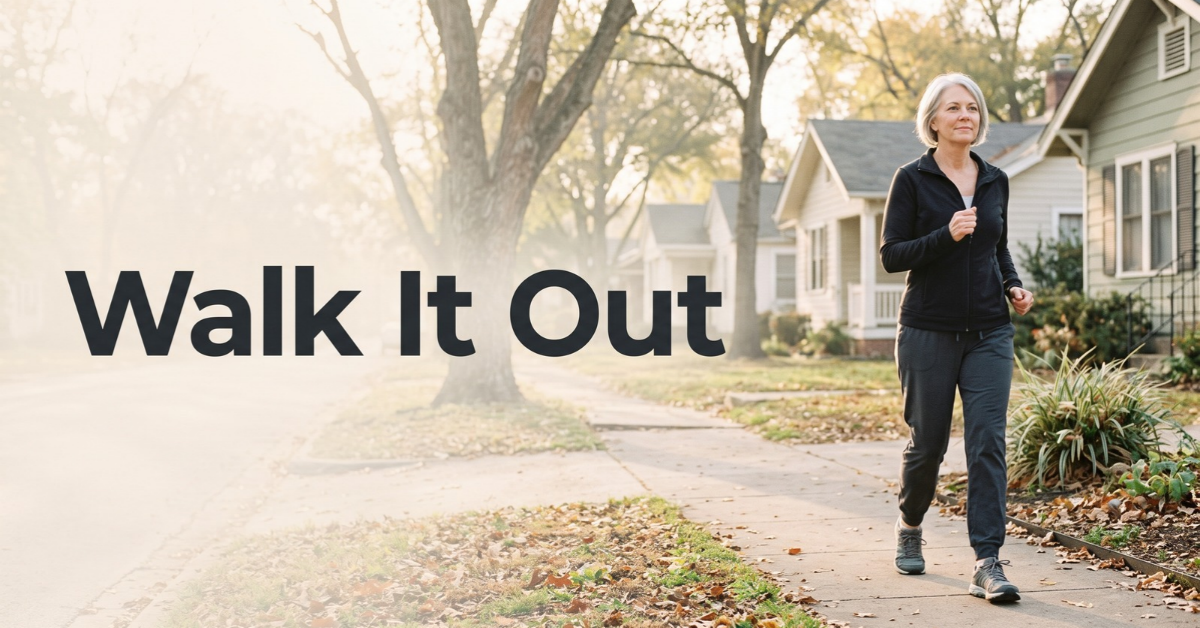
Movement is one of the most powerful parts of any holistic routine, and it’s also one of the easiest to do for free. According to the CDC’s Physical Activity Guidelines for Americans (as of November 2026), adults need about 150 minutes of moderate-intensity activity each week, such as brisk walking, plus at least 2 days of muscle-strengthening activity. Adults 65 and older are also encouraged to add activities that improve balance.
That may sound like a lot, but the CDC notes that it can be broken up — for example, 30 minutes a day, 5 days a week. You can split those 30 minutes into shorter walks, too. And as the CDC puts it simply, some physical activity is better than none.
Free Ways to Reach Your Weekly Movement
- Walk after meals. Three 10-minute walks a day add up to 30 minutes.
- Take the stairs when it feels safe and comfortable.
- Dance in your kitchen while dinner cooks.
- Garden, sweep, or wash the car. Everyday chores count as movement.
- Join a free community walking group or park program in your area.
- Borrow exercise DVDs or books from your library.
A Simple At-Home Strength Routine
Twice a week, try this gentle circuit. No equipment is needed — just a sturdy chair and a wall. Do 8 to 12 slow repetitions of each move, rest, and repeat once or twice if you feel good.
- Chair sit-to-stands — for legs and hips
- Wall push-ups — for chest, shoulders, and arms
- Standing calf raises (holding the chair back) — for lower legs and balance
- Glute bridges on the floor or bed — for hips and lower back
- Water-jug rows — fill two milk jugs with water to use as free “weights”
Budget Picks · Home Strength
If you’d like to spend a little to make home workouts more comfortable, two low-cost basics go a long way: a set of resistance loop bands (light to heavy, so you can progress slowly) and a cushioned exercise mat for floor moves like glute bridges and stretching.
Choose a lighter band to start. If you have a latex allergy, check the band material before buying.
⚠️ Safety First
If you have heart disease, joint problems, balance issues, or haven’t exercised in a while, check with your doctor before starting. Stop if you feel pain, dizziness, or shortness of breath. If you ever have chest pain, trouble breathing, or signs of a stroke, call 911 right away.
Sponsored · Home Workouts
Would you like a little more structure for exercising at home? This home fitness resource offers guided workouts you can do in your living room, at your own pace. Start slowly, listen to your body, and check with your doctor if you have any health concerns.
Try Guided Home Workouts →Calm Your Mind for Free: Breathing, Journaling, and Quiet Time
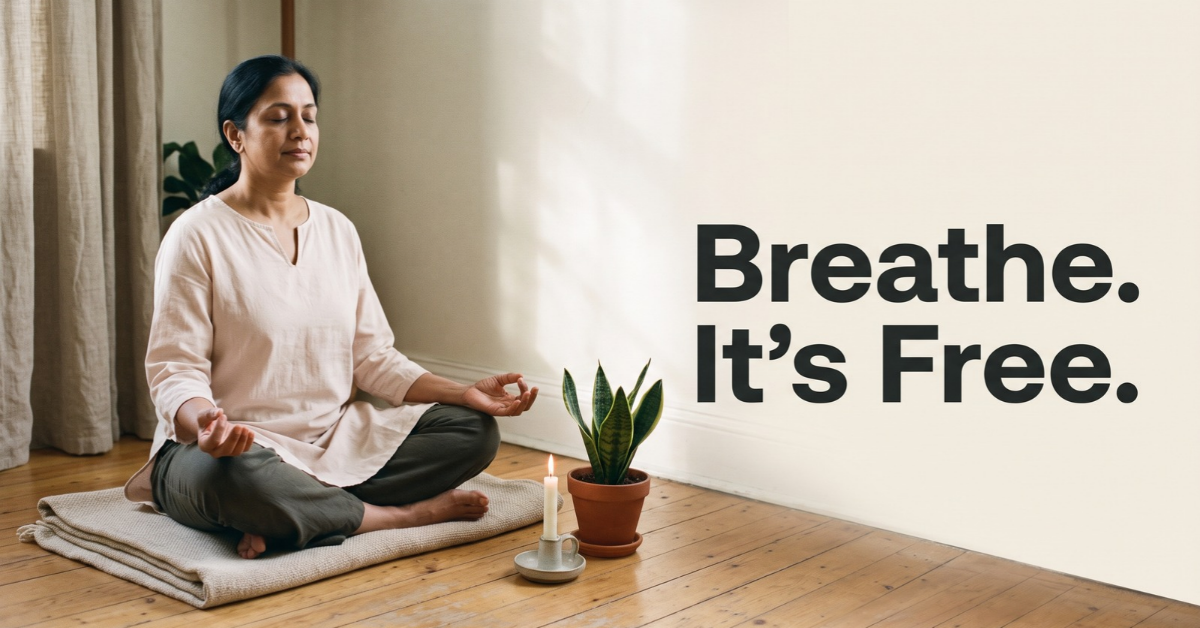
Mental wellness is a core part of holistic living, and many of the most helpful tools are completely free. You don’t need a retreat, a special cushion, or a subscription to sit quietly and breathe.
According to the National Center for Complementary and Integrative Health (NCCIH), some research suggests that meditation may help with anxiety, depression, and insomnia, and meditation is generally considered safe for healthy people. NCCIH also notes that much of the research is still preliminary, so it’s best to see these practices as gentle support rather than a cure.
Four Free Calming Practices
- Box breathing (2–4 minutes). Breathe in for 4 counts, hold for 4, breathe out for 4, hold for 4. Repeat a few times. If holding your breath feels uncomfortable, simply skip the holds.
- The 3-line journal (5 minutes). Each evening, write one thing that went well, one thing you’re grateful for, and one thing you’d like to let go of.
- A 5-minute “sit spot.” Sit by a window or on a park bench and notice five things you can see, four you can hear, and three you can feel.
- Connection. Call a friend, chat with a neighbor, or join a free community class. Feeling connected to others is an important part of overall wellbeing.
💛 You Don’t Have to Handle Everything Alone
Self-care habits can help, but they aren’t a substitute for professional support. If stress, low mood, or anxiety is affecting your daily life, please reach out to your doctor or a licensed mental health professional. Many communities offer low-cost or sliding-scale counseling. If you are in crisis or thinking about harming yourself, call or text 988 to reach the 988 Suicide & Crisis Lifeline in the U.S., available 24/7.
An Evening Wind-Down That Protects Your Sleep
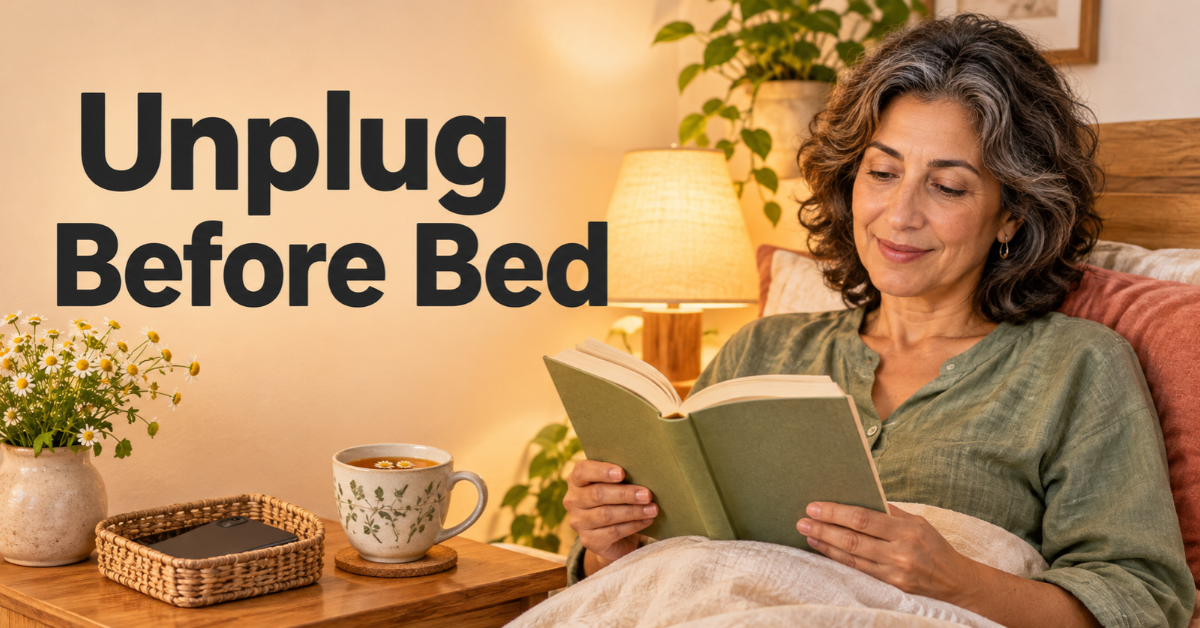
Sleep may be the most underrated — and most affordable — wellness habit of all. The CDC recommends that adults get 7 or more hours of sleep each night. Yet many of us fall short: a CDC data brief released in spring 2026 found that about 30.5% of U.S. adults surveyed in 2024 were sleeping less than the recommended amount.
The good news? Most of the habits that support better sleep are free. They mostly involve doing a little less in the hour before bed.
Your 45-Minute Evening Wind-Down
| Time Before Bed | What to Do |
|---|---|
| 45 minutes | Dim the lights. Tidy one small area so you wake up to calm. |
| 30 minutes | Put your phone in another room or face-down in a basket. Turn off the TV. |
| 20 minutes | Wash up, take a warm shower, or sip a caffeine-free herbal tea. |
| 10 minutes | Read a paper book, write your 3-line journal, or stretch gently. |
| Lights out | Slow breathing — in for 4, out for 6 — until you drift off. |
Free Sleep Helpers
- Keep a steady schedule — try to go to bed and wake up at about the same time, even on weekends.
- Keep your room cool, dark, and quiet. A folded towel under the door or an old T-shirt as an eye mask works fine.
- Cut off caffeine by early afternoon.
- Get daylight and movement earlier in the day. Daytime habits shape nighttime rest.
Budget Pick · Darker Nights
Streetlights or early sunrise keeping your room bright? Blackout curtains can be pricey, but a contoured sleep mask is an inexpensive way to make your room feel darker. Look for soft, adjustable straps and eye cups that don’t press on your eyes.
See the Sleep Mask on Amazon →If you snore loudly, stop breathing during sleep, or feel exhausted even after a full night in bed, please see your doctor. These can be signs of a sleep disorder that deserves proper care.
Your Daily Holistic Wellness Routine on a Budget: A 7-Day Starter Plan
Now let’s put it all together. This step-by-step plan adds one small habit each day, so by the end of the week you’ll have a complete routine — without spending a dollar more than your usual groceries.
Step 1: Build It One Day at a Time
| Day | New Habit to Add | Cost |
|---|---|---|
| Day 1 | Drink a glass of water as soon as you wake up | $0 |
| Day 2 | Add 3 minutes of morning light and a gentle stretch | $0 |
| Day 3 | Take a 10-minute walk after one meal | $0 |
| Day 4 | Plan 3 simple meals and write a grocery list | Saves money |
| Day 5 | Try the chair-and-wall strength circuit | $0 |
| Day 6 | Put your phone away 30 minutes before bed | $0 |
| Day 7 | Write your 3-line journal and review your week | $0 |
Step 2: Use This Simple Daily Checklist
After your first week, use this checklist as your everyday routine. Aim for “most days,” not “every day.”
☀️ Morning
☐ Glass of water
☐ Natural light and a gentle stretch
☐ Five slow breaths and one intention
🌤 Midday
☐ A simple, whole-food lunch
☐ 10-minute walk
☐ One short break away from screens
🌙 Evening
☐ Phone away 30 minutes before bed
☐ Warm, caffeine-free drink or shower
☐ 3-line journal
Step 3: Review and Adjust Each Week
Every Sunday, take five minutes to ask yourself:
- Which habit felt easiest this week?
- Which one felt hard — and how could I make it smaller?
- How did I sleep, and how did my energy feel?
- Is there one new free habit I’d like to try next week?
This gentle check-in keeps your routine flexible. Your life changes, and your daily holistic wellness routine on a budget can change with it.
Bonus Habit: Grow Something Green
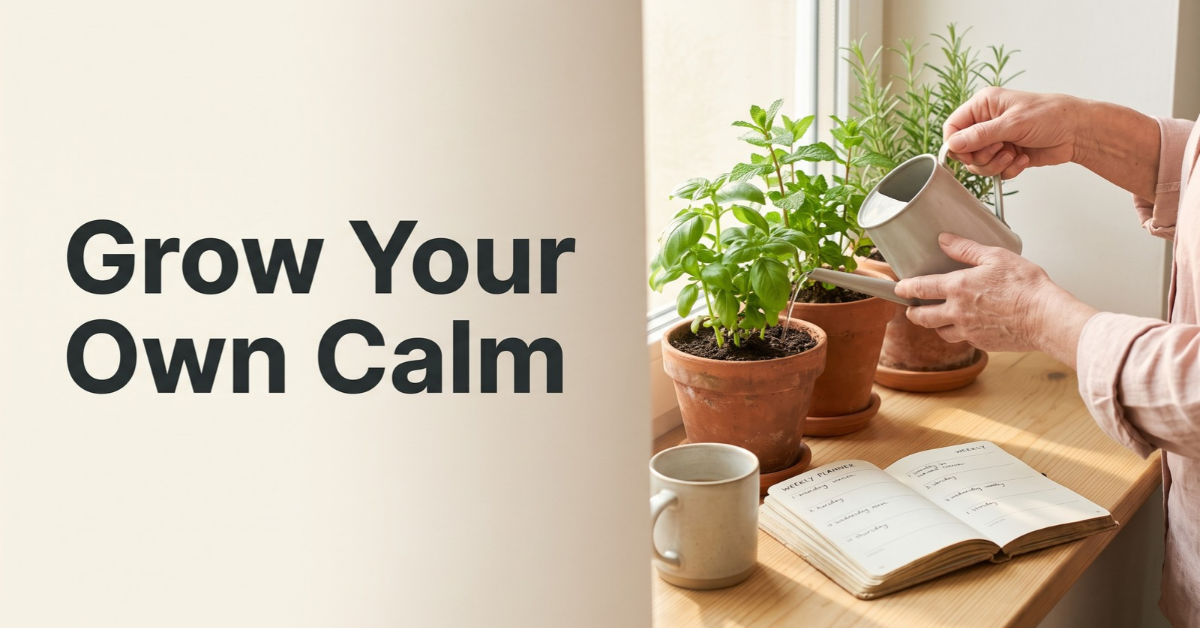
Once your first week feels steady, consider adding a tiny windowsill herb garden. Watering a few pots each morning gives you a calm two-minute pause, fresh flavor for budget meals, and free leaves for homemade tea. Basil, mint, and parsley are among the easiest herbs for beginners. A recycled jar or an old mug with a drainage hole works just fine as a pot.
Budget Pick · Windowsill Garden
Not sure where to start? An indoor herb starter kit bundles seeds, small pots, and soil in one box, so you can begin on any sunny windowsill. If you have cats or dogs, check that the herbs you grow are pet-safe.
See the Herb Kit on Amazon →Free Community Resources Most People Overlook
Some of the best wellness tools in your area are already paid for by your taxes or your community. Here are a few worth exploring:
- Your public library. Beyond books, many libraries offer free cookbooks, audiobooks, streaming classes, seed libraries, and even free yoga or tai chi sessions.
- Parks and walking trails. Nature is free, and time outdoors is a natural mood lifter.
- Community and senior centers. Many host low-cost exercise classes, walking clubs, and social events. For more ideas on healthy aging, visit seniorjourneyblog.com.
- Farmers markets at closing time. Vendors often discount produce at the end of the day.
- Preventive care through your health plan. Many insurance plans cover certain screenings and wellness visits. Check your plan details or call the number on your card.
- Food assistance programs. If groceries are a real struggle, local food banks and programs like SNAP may be able to help. There’s no shame in using the support that exists for exactly this reason.
Common Budget Wellness Mistakes (and Kinder Alternatives)
| Common Mistake | Kinder Alternative |
|---|---|
| Buying products before building habits | Try a free habit for 2 weeks before spending anything |
| Starting a big routine all at once | Add one small step at a time |
| Believing “expensive” means “effective” | Focus on sleep, movement, food, and calm first |
| Quitting after one missed day | Simply begin again tomorrow — no guilt needed |
| Adding several supplements without advice | Ask your doctor or pharmacist what you truly need |
That last point deserves a moment. Supplements can quietly eat up a wellness budget, and more isn’t always better. Some can interact with medications or with each other. Before buying any supplement, ask your doctor or pharmacist whether it makes sense for you. Often, the answer saves you money.
A Gentle Closing Thought
Wellness was never meant to be something you buy. A daily holistic wellness routine on a budget proves it. It’s something you practice, quietly, in the ordinary moments of your day — the first sip of water, the walk around the block, the deep breath before you answer an email, the moment you turn off the lights a little earlier than usual.
If your budget is tight right now, please be gentle with yourself. You already have most of what you need. Start with one small habit tomorrow morning, and let it grow at its own pace. Some days you’ll do it all, and some days you’ll do one thing. Both count.
Here’s to calmer mornings, kinder evenings, and a life that feels well cared for — no matter what’s in your wallet. 🌿
Frequently Asked Questions
Can I really build a holistic wellness routine for free?
Yes, most of it. Drinking water, getting morning light, walking, stretching, bodyweight exercises, breathing practices, journaling, and a steady sleep schedule cost nothing. Your main expense is ordinary groceries, and simple whole foods like oats, beans, lentils, and frozen vegetables are among the most affordable options.
Are herbal teas and supplements safe to add to a budget routine?
Not always. Herbal teas and supplements can interact with medications such as blood thinners, blood pressure drugs, and sedatives, and some aren’t recommended during pregnancy or breastfeeding. Talk with your doctor or pharmacist before adding any new herbal product or supplement, and remember that a healthy routine works well without them.
Do I need to do 30 minutes of exercise all at once?
No. The CDC notes that weekly activity can be broken into smaller chunks. Three 10-minute walks spread across the day still count toward your weekly goal. If you’re just starting out, even a few minutes is a good beginning — some activity is better than none.
Sources
- CDC — Adult Activity: An Overview
- CDC — Adding Physical Activity as an Adult
- CDC — What You Can Do to Meet Physical Activity Recommendations
- CDC — About Sleep
- NPR via WGCU — Americans Aren’t Sleeping Enough (CDC data brief, May 2026)
- USDA MyPlate — Eat Healthy on a Budget
- USDA — Healthy Eating on a Budget
- NCCIH — Meditation and Mindfulness: Effectiveness and Safety
- NCCIH — Mind and Body Approaches for Stress and Anxiety
- 988 Suicide & Crisis Lifeline
🌿 Weekly wellness, health & beauty insights — straight to your inbox
Free subscription · Cancel anytime