The Ultimate Authority Guide to Daily Wellness Habits for Nervous System Regulation
A science-backed, editor-curated deep dive into calming your body from the inside out — brought to you by WellbeingPrime.
There is a quiet epidemic moving through modern life, and it doesn’t announce itself with fever or a rash. It shows up as a tightness behind the sternum during a routine email check. It shows up as a racing heart at 2 a.m. for no discernible reason. It shows up as exhaustion that eight hours of sleep can’t seem to touch. Increasingly, wellness researchers and clinicians are tracing these symptoms back to a single, overworked system: the autonomic nervous system. And increasingly, the antidote isn’t a single dramatic intervention — it’s a series of small, repeatable, almost boring daily habits that, compounded over weeks, retrain the body’s baseline state from “braced for impact” to “safe to rest.”
This guide is built for the person who has already tried the surface-level advice — “just breathe,” “just relax,” “just meditate” — and found it insufficient without the underlying mechanics. Here, we go deeper: into the physiology of the vagus nerve, the chemistry of cortisol rhythms, the gut-brain axis, and the specific, sequenced habits that compound into genuine nervous system resilience. Consider this your reference document, one you’ll want to bookmark and return to.
What makes this moment in wellness different from the “self-care” wave of a decade ago is the shift from vague emotional language toward measurable physiology. We are no longer simply told to “manage stress.” We can now point to specific, testable markers — heart rate variability, cortisol curves, respiratory sinus arrhythmia — and design habits that move those markers in a favorable direction. That precision is empowering, but it can also feel overwhelming if you don’t know where to start. This guide solves that by organizing everything into a single day’s arc: morning, midday, afternoon, and evening, so that by the end you have not a list of disconnected tips, but a coherent rhythm you can actually live inside.
The Hidden Cost of a Chronically Dysregulated Nervous System
It’s worth pausing on why any of this matters beyond simply “feeling calmer.” A nervous system stuck in prolonged sympathetic activation doesn’t just feel unpleasant — it reshapes the body’s priorities at a cellular level. When the body believes it is under sustained threat, it deprioritizes functions it considers non-essential for immediate survival: digestion slows and becomes less efficient, immune surveillance weakens, tissue repair is deferred, and reproductive hormone production is downregulated. None of this is dramatic or sudden. It accumulates quietly, which is precisely why so many people live for years with a body that is technically “fine” on paper but never quite feels well.
Sleep quality is often the first casualty, followed by digestive comfort, skin clarity, and emotional bandwidth for minor frustrations. Left unaddressed long enough, chronic sympathetic dominance has been associated in research with elevated inflammatory markers, disrupted blood sugar regulation, and a lower threshold for both physical and emotional overwhelm. The reassuring flip side is that this same system is remarkably plastic. Every one of the habits in this guide is, in essence, a small piece of evidence you present to your nervous system that the threat has passed — and bodies, given enough consistent evidence, do update their baseline.
A Quick Self-Check: Signs Your Nervous System May Be Dysregulated
Before diving into the habits themselves, it helps to know what you’re working with. Common signs of a nervous system that has been running “hot” for too long include:
- Waking up already feeling tired or wired, rather than rested
- Difficulty falling asleep despite physical exhaustion
- A racing or pounding heart during ordinary, low-stakes moments
- Digestive discomfort that flares during busy or stressful weeks
- Irritability or tearfulness that feels disproportionate to the trigger
- A persistent sense of being “on alert” even in safe, familiar environments
- Shallow, upper-chest breathing that you notice only when you pay attention to it
If several of these resonate, you’re not broken — you’re simply carrying a nervous system that has adapted to a demanding environment. The daily wellness habits for nervous system regulation outlined ahead are designed to gently teach it a different pattern.
Understanding Your Nervous System: The Foundation of Daily Wellness Habits for Nervous System Regulation
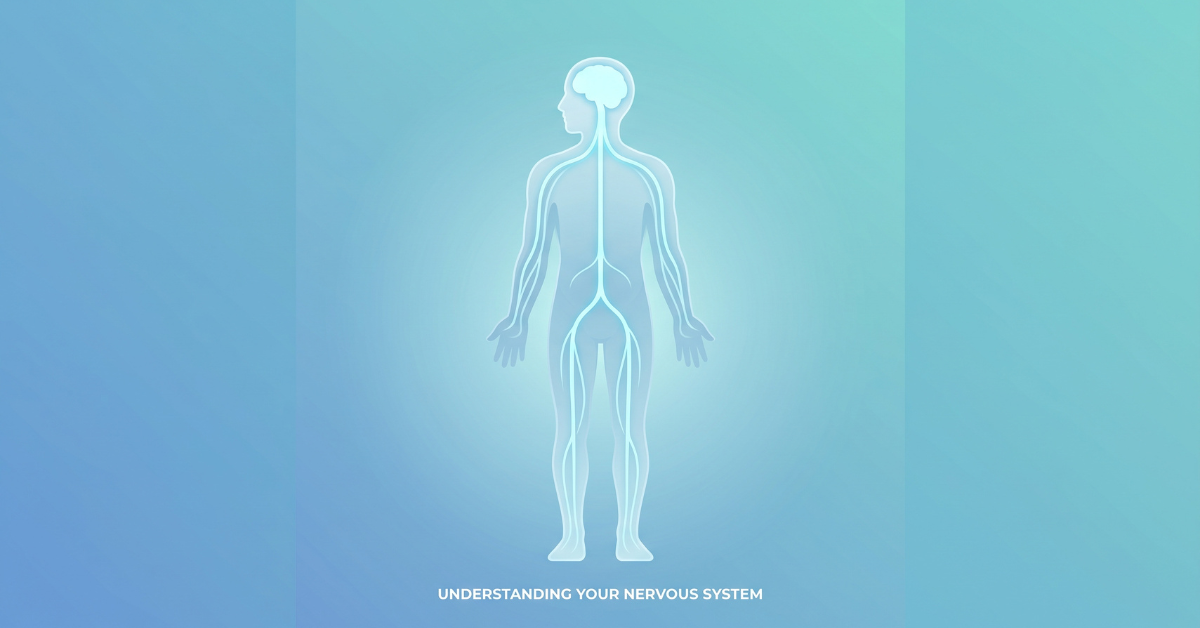
To regulate your nervous system, you first have to understand what you’re regulating. The autonomic nervous system (ANS) is the command center that runs everything you don’t consciously think about — heart rate, digestion, blood pressure, breathing rate, and the release of stress hormones. It has two primary branches that operate like a gas pedal and a brake pedal for your entire body.
The Sympathetic Branch: Your Internal Accelerator
The sympathetic nervous system is responsible for the “fight, flight, or freeze” response. When it activates, your pupils dilate, your heart rate climbs, blood is redirected from your digestive organs to your muscles, and your adrenal glands release cortisol and adrenaline. This system evolved to help our ancestors escape predators in short, intense bursts. The problem in modern life is duration: a notification-laden inbox, a strained relationship, or financial uncertainty can keep this accelerator gently but persistently pressed for hours, days, or years at a time.
The Parasympathetic Branch: Your Internal Brake
The parasympathetic nervous system, often summarized as “rest and digest,” is what allows your heart rate to slow, your digestion to resume, and your body to shift into repair mode. Its primary highway is the vagus nerve — the longest cranial nerve in the body, running from the brainstem down through the neck, chest, and abdomen, touching nearly every major organ along the way. Polyvagal theory, a framework developed by neuroscientist Dr. Stephen Porges, describes how the tone and responsiveness of this vagal pathway shape our capacity to move fluidly between stress and calm rather than getting stuck in either extreme.
Why “Vagal Tone” Has Become a Wellness Buzzword
You may have seen the phrase “vagal tone” floating around wellness circles, often measured indirectly through heart rate variability (HRV) — the variation in time between each heartbeat. Higher HRV is generally associated with a nervous system that can flexibly shift between activation and rest, while chronically low HRV has been associated in research with elevated stress markers and reduced resilience. The habits in this guide are, in essence, a toolkit for improving vagal tone and, by extension, this flexibility. None of them are exotic. All of them are backed by a growing body of physiological research. What matters most is not any single practice but the daily, cumulative signal you send your body: it is safe to stand down.
A Third Branch You Rarely Hear About: The Freeze Response
Most wellness content stops at “fight or flight” versus “rest and digest,” but polyvagal theory describes a third state that deserves attention: the dorsal vagal freeze response. When stress becomes overwhelming or prolonged enough, the body can shift into a state of shutdown — numbness, fatigue, disconnection, or a foggy, “checked out” feeling. This is not laziness or lack of motivation; it’s a protective physiological state. Recognizing freeze for what it is matters, because the habits that pull someone out of freeze (gentle movement, warmth, safe connection) are different from the habits that calm someone out of fight-or-flight (extended exhales, cooling down, slowing input). Part of nervous system literacy is learning to recognize which state you’re actually in before choosing a tool.
Neuroplasticity: Why These Habits Actually Rewire the System
A common misconception is that your nervous system’s baseline is fixed — that you’re simply “an anxious person” or “a calm person” by nature. In reality, the neural pathways governing autonomic regulation are shaped continuously by repeated experience, a principle known broadly as neuroplasticity. Each time you consciously extend an exhale, expose yourself to morning light, or complete a stress cycle through movement, you are reinforcing a specific neural pathway. Do it once, and the effect is fleeting. Do it daily for a season, and the pathway becomes the path of least resistance — your new default. This is the entire premise behind treating nervous system regulation as a set of daily habits rather than an occasional emergency intervention.
Morning Rituals That Set Your Nervous System Right
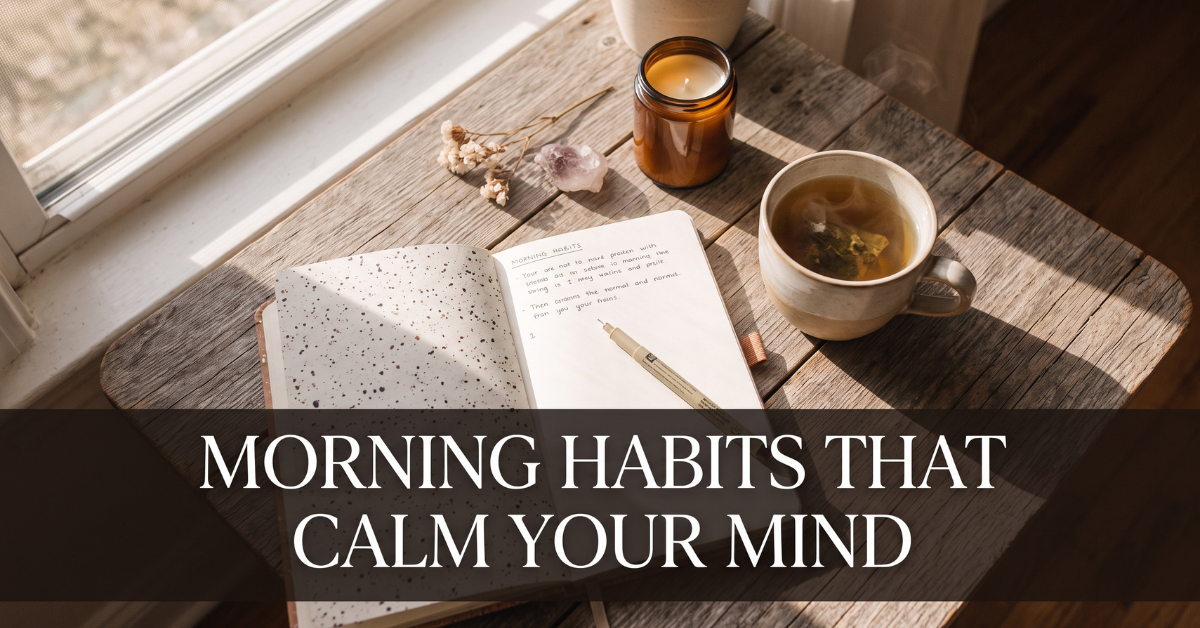
The first sixty minutes after waking set the tone — quite literally, in terms of hormone release — for the rest of your day. Cortisol naturally rises about thirty to forty-five minutes after waking in a healthy pattern known as the Cortisol Awakening Response (CAR). This isn’t a bad thing; a well-regulated CAR helps you feel alert and ready to engage with the day. Problems arise when this natural spike is compounded by an immediate flood of additional stressors — a phone screen full of notifications, a rushed commute, or skipped nourishment.
1. Delay the Screen, Not the Sunlight
Instead of reaching for your phone, reach for a window — or better, step outside. Exposure to natural light within the first thirty minutes of waking helps anchor your circadian rhythm, which in turn supports healthier cortisol and melatonin timing later in the day. This single swap, done consistently, is one of the most under-appreciated levers in nervous system regulation because it works on the body’s master clock rather than trying to override it in the moment.
2. Hydrate Before You Caffeinate
After six to eight hours without water, your body is mildly dehydrated, and dehydration itself is a physical stressor that can nudge the sympathetic nervous system into higher alert. A full glass of water — ideally with a pinch of a mineral-rich salt to support electrolyte balance — before your first coffee gives your system a gentler on-ramp into wakefulness rather than a jolt.
3. A Grounding Journaling Practice
You don’t need an elaborate gratitude ritual. Even ninety seconds of writing three sentences — how you feel physically, one thing you’re looking forward to, one thing you can let go of today — gives the prefrontal cortex a moment to engage before the day’s demands take over. This small act of naming supports what researchers call “affect labeling,” which has been linked in neuroimaging studies to reduced amygdala reactivity, essentially turning down the volume on the brain’s alarm center.
4. Move Before You Sit
Five to ten minutes of gentle movement — stretching, a short walk, or mobility work — helps metabolize the morning’s cortisol surge productively rather than letting it sit in the bloodstream while you’re hunched over a desk. This doesn’t need to be a workout. Its job is simply to tell the body: the alertness you’re feeling has an outlet.
5. Protein-Forward Breakfasts Over Sugar Spikes
A breakfast heavy in refined carbohydrates causes a rapid rise and subsequent crash in blood glucose, and that crash itself registers as a physical stressor, triggering additional cortisol release to compensate. Anchoring breakfast around protein and healthy fats — eggs, Greek yogurt, nut butters — produces a flatter, steadier glucose curve, which translates directly into a steadier morning mood and fewer mid-morning energy crashes.
6. Naming Your Non-Negotiable Before the Inbox Opens
Before checking email or messages, take thirty seconds to identify the single most important thing you want to accomplish that day. This small act of intentional prioritization, done before external demands flood in, helps the prefrontal cortex — the brain’s planning and executive-function center — stay in the driver’s seat for longer, rather than immediately handing control over to whatever feels most urgent in someone else’s inbox.
The Physiology of Breath: Breathwork Protocols Backed by Science
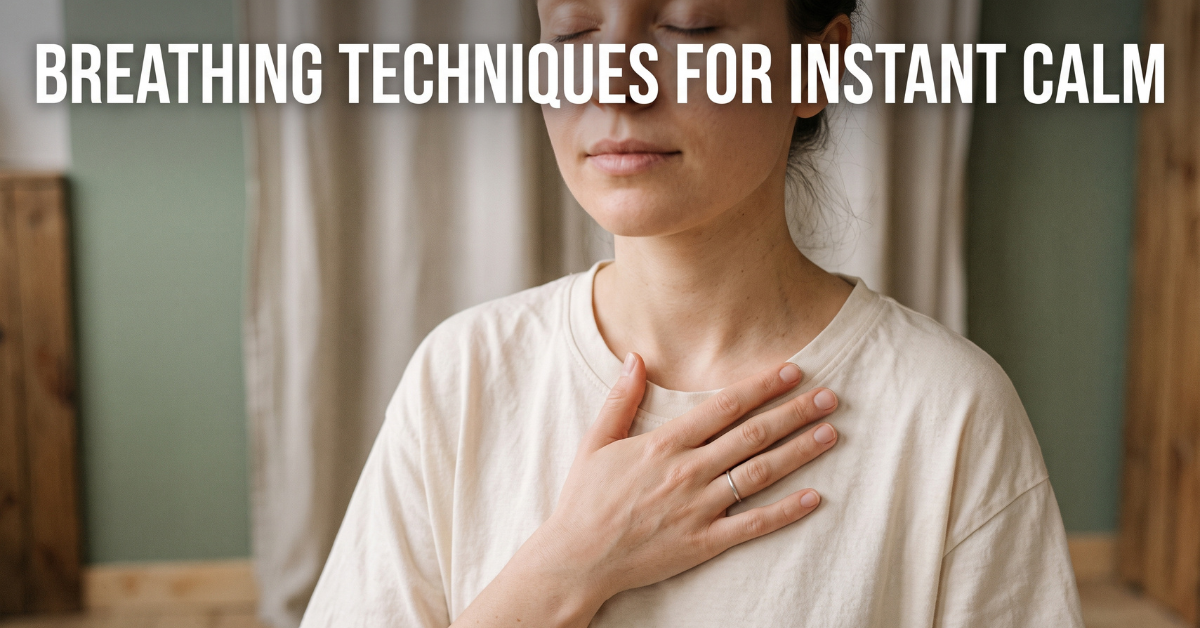
Of every nervous system regulation tool available, breath is the most immediate — because it is the one autonomic function you can consciously override in real time. Slowing and lengthening your exhale directly stimulates the vagus nerve via mechanoreceptors in the lungs and chest, sending an unmistakable “we are safe” signal to the brainstem. Below are three protocols worth learning, each suited to a different moment in your day.
Box Breathing: For Focused, Sustained Calm
Inhale for four counts, hold for four, exhale for four, hold for four. Repeat for four to eight rounds. This technique, used widely in high-stress professions such as military and emergency response training, works by regulating carbon dioxide levels in the blood and giving the mind a simple rhythmic anchor, which reduces the cognitive bandwidth available for spiraling thoughts.
The Physiological Sigh: For Rapid Reset
Take a full inhale through the nose, then a second, shorter sharp inhale on top of it to fully expand the lungs, followed by a long, slow exhale through the mouth. This double-inhale pattern has been highlighted in respiratory physiology research as one of the fastest ways to reduce physiological arousal in real time — often within one to three repetitions. It’s discreet enough to do at a desk, in a meeting, or before a difficult conversation.
Extended Exhale Breathing: For Winding Down
Inhale for four counts, exhale for six to eight counts. The extended exhale is the single most important variable here — a longer exhale relative to your inhale consistently shifts the nervous system toward parasympathetic dominance. Five minutes of this before bed is one of the simplest, most evidence-supported sleep-onset tools available, no supplement required.
Common Breathing Mistakes That Undermine Regulation
Not all breathing is created equal, and a few common habits can actually work against nervous system regulation without you realizing it. Chest-dominant breathing — where the shoulders rise and the chest expands rather than the belly — tends to recruit accessory muscles associated with stress and can keep the sympathetic system mildly engaged even during a “calming” exercise. Rushing through the exhale defeats much of the purpose, since it’s the length and control of the exhale, not the inhale, that does the heavy lifting for vagal activation. And practicing breathwork only during acute panic, rather than as a daily maintenance habit, means you’re always starting from a deficit rather than building resilience proactively.
Humming and Vocal Toning: An Underrated Vagal Tool
Because the vagus nerve also innervates the muscles of the throat and vocal cords, low-frequency humming, chanting, or gargling can produce a mechanical vibration that stimulates the same pathway as extended-exhale breathing. A simple practice — humming a low, steady tone for thirty to sixty seconds — is worth adding to your toolkit, particularly in moments when a formal breathing exercise feels too effortful or self-conscious to do around others.
Digital Overload and Your Nervous System: Reclaiming Calm in a Hyperconnected World
No conversation about nervous system regulation in 2026 is complete without addressing the digital environment we’re regulating ourselves within. Every notification, every autoplaying video, every targeted ad that seems to know a little too much about you is a micro-stressor. Increasingly, wellness researchers point not just to screen time itself but to a subtler driver of chronic sympathetic activation: the low-grade, background awareness that our data, location, and browsing habits are constantly being tracked, logged, and monetized without our full understanding of by whom.
This isn’t paranoia — it’s a documented feature of how most free digital services and public networks operate. Unsecured public Wi-Fi at cafes, airports, and co-working spaces is a well-known vector for data interception. Internet service providers can log browsing activity. Advertising networks build behavioral profiles that follow you across devices. For a nervous system that’s trying to downshift into “rest and digest,” existing inside an environment that feels quietly surveilled is its own form of chronic, low-level threat signal — the kind your body may not consciously register but still responds to.
Give Your Nervous System One Less Thing to Worry About
If true digital calm is the goal, privacy has to be part of the equation. Every unsecured connection, every tracked click, and every data broker quietly building a profile on you is a background stressor your nervous system doesn’t get a vote on. Taking back control of your own data — where it goes, who sees it, and who can intercept it on public networks — is one of the most overlooked forms of modern self-protection.
Explore how a trusted VPN can shield your browsing, your location, and your peace of mind →
Beyond the tools you use, a few behavioral shifts help too: batching notification checks into two or three set windows per day rather than reacting to every ping, turning off badge notifications for non-essential apps, and creating at least one genuinely offline block each day — even thirty minutes — where your nervous system can fully exit “monitoring mode.”
The Comparison Trap and Sympathetic Activation
Beyond privacy and tracking, the content itself matters. Social feeds are engineered around social comparison, and comparison — even the low-grade, half-conscious kind that happens while scrolling — activates threat-detection circuitry in the brain in ways strikingly similar to real social threat. A useful practice is a brief “content audit”: once a week, notice which accounts or feeds leave you feeling calmer after viewing them and which leave you feeling subtly worse, then curate accordingly. This is not about eliminating social media; it’s about treating your attention as a resource your nervous system has a stake in.
Designing a Phone-Free Buffer Zone
Two buffer zones matter most: the first thirty minutes after waking and the last thirty to sixty minutes before sleep. Both are periods when the brain is in a naturally more suggestible, lower-vigilance state, which is exactly why exposure to urgent news, work demands, or algorithmic feeds during these windows has an outsized effect on nervous system baseline. Charging your phone outside the bedroom, or simply placing it in another room during these windows, removes the decision fatigue of willpower-based restraint entirely.
Nutrition & the Gut-Brain Axis: Foods That Support a Calm Nervous System

The gut and the brain are in constant conversation via the vagus nerve itself, along with a shared population of neurotransmitters — including the fact that roughly ninety percent of the body’s serotonin is produced in the gastrointestinal tract, not the brain. This is the basis of the “gut-brain axis,” a research area that has exploded over the past decade. What you eat doesn’t just fuel your body; it directly shapes the chemical and neural signaling environment that determines whether your nervous system tends toward calm or reactivity.
Magnesium-Rich Foods
Magnesium plays a direct role in regulating the HPA axis (hypothalamic-pituitary-adrenal axis), the body’s central stress-response pathway. Leafy greens, pumpkin seeds, almonds, and dark chocolate are all accessible sources. Chronic stress itself depletes magnesium, creating a feedback loop worth interrupting through consistent dietary intake.
Omega-3 Fatty Acids
Fatty fish like salmon and sardines, along with walnuts and flaxseed, provide omega-3s that support the structural integrity of neuronal membranes and have been studied for their role in modulating inflammatory pathways linked to mood regulation.
Mineral Balance: The Overlooked Foundation
Electrolyte balance — sodium, potassium, and trace minerals — is foundational to nerve signaling itself. Every action potential that fires along your vagus nerve depends on precise mineral gradients across cell membranes. This is why many wellness practitioners have shifted away from heavily processed table salt (which is stripped of trace minerals) toward whole, unrefined salts.
Editor’s Pantry Picks
Celtic Sea Salt (Light Grey, Vital Mineral Blend): Unrefined and naturally moist, this salt retains a broad mineral profile that supports the electrolyte balance your nervous system relies on for clean nerve signaling. A simple swap for your everyday table salt.
View Celtic Sea Salt on iHerb →
Manuka Doctor Monofloral Manuka Honey (MGO 925): A soothing addition to evening tea or warm water, monofloral manuka honey is prized for its distinctive compound profile and has long been used in traditional wellness practices as a gentle, calming ritual food.
View Manuka Honey on iHerb →
What to Minimize
Excess caffeine on an empty stomach, high-sugar breakfasts that create a rapid blood sugar spike-and-crash, and alcohol close to bedtime all place additional load on an already taxed HPA axis. None of these need to be eliminated entirely — the goal of nervous system-supportive eating is consistency and mineral density, not restriction.
Hydration as a Nervous System Habit, Not Just a Thirst Response
Mild, chronic under-hydration is remarkably common and remarkably underappreciated as a stress amplifier. Blood volume, which is largely water, directly affects how efficiently the cardiovascular system can respond to demands — including the demand of returning to baseline after a stressful moment. Pairing water intake with a mineral source, such as a pinch of unrefined salt, rather than drinking large volumes of plain water in one sitting, supports better cellular absorption and steadier energy throughout the day, rather than the frequent bathroom trips and fleeting energy that can come from water alone.
The Role of Fermented Foods in Gut-Brain Communication
Fermented foods such as yogurt, kefir, sauerkraut, and kimchi introduce beneficial microbial diversity to the gut, and a growing body of research links gut microbial diversity to the vagal signaling pathways that communicate gut state to the brain. While the science of the microbiome is still evolving and individual responses vary widely, a general pattern of dietary variety and regular inclusion of fermented foods is a low-risk, evidence-informed habit worth building.
Movement as Medicine: Gentle Exercise for Nervous System Regulation
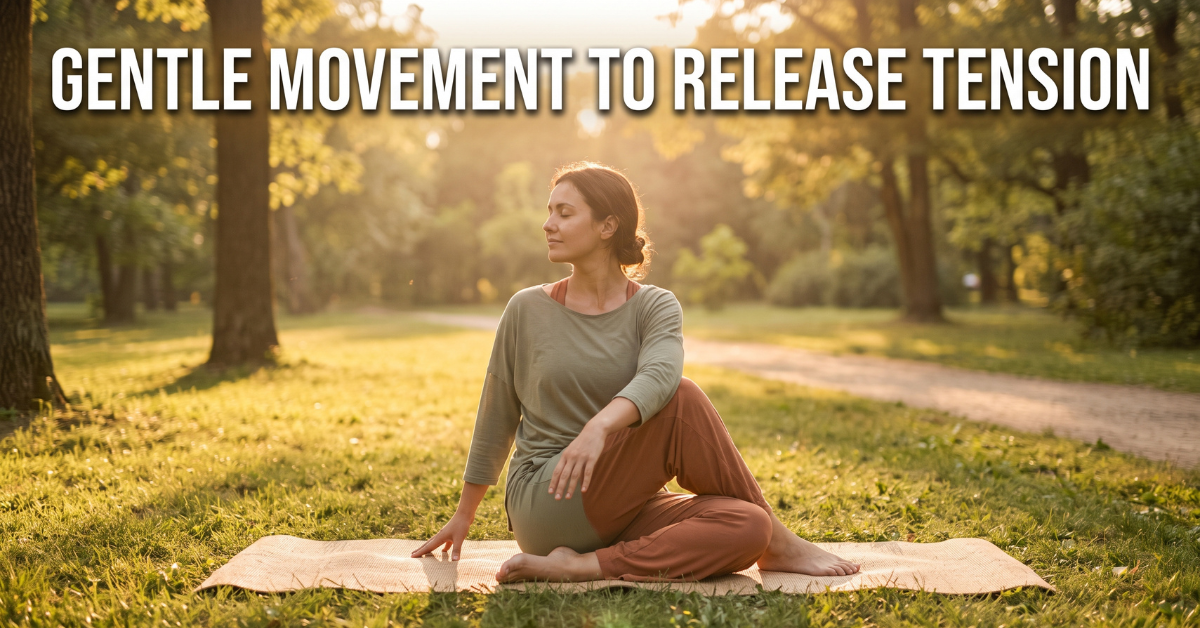
Movement is one of the most direct ways to complete the body’s stress response cycle. When our ancestors faced a threat, they ran, fought, or physically discharged the surge of adrenaline and cortisol that flooded their system. Modern stressors — a tense email, a traffic jam, a difficult conversation — trigger the identical hormonal cascade, but we rarely get to physically discharge it. Over time, this incomplete cycle is part of what keeps the nervous system stuck in low-grade activation.
Why Gentle Beats Extreme for Regulation
This may be counterintuitive in a fitness culture that celebrates intensity, but for nervous system regulation specifically, moderate and rhythmic movement — walking, swimming, cycling, restorative yoga — tends to outperform high-intensity training, which can itself act as an additional sympathetic stressor if the body is already depleted. The goal isn’t to avoid intense exercise altogether; it’s to recognize when your body needs the “brake” of gentle movement rather than another “accelerator.”
Yoga and Vagal Stimulation
Slow, breath-linked yoga sequences combine two regulation tools at once: extended exhalation and rhythmic movement. Forward folds and gentle twists, in particular, apply mild pressure to the abdominal cavity, an area rich in vagal branching, which some practitioners believe contributes to the sense of calm these poses reliably produce.
Building a Consistent Home Movement Practice
Consistency matters more than intensity here, and the biggest barrier to consistency for most people isn’t motivation — it’s friction. A gym commute, a class schedule, or unfamiliar equipment can be enough to derail an otherwise well-intentioned routine.
Remove the Friction, Keep the Habit
One of the simplest ways to protect a gentle movement habit is to make it possible without leaving your home. Guided, low-impact routines you can do in fifteen minutes before your first coffee remove nearly every excuse that typically derails consistency.
Try JustFit — guided home workouts built for real, sustainable routines →
Nature Exposure and Grounding
There is a reason a walk in a park feels different from a walk beside a busy road. Natural environments — with their fractal visual patterns, ambient soundscapes, and lack of urgent stimuli — have been studied for their ability to lower cortisol and reduce sympathetic arousal more effectively than equivalent time spent in urban or indoor settings. Even ten minutes in a green space, with your phone away, appears to meaningfully shift subjective stress ratings. If daily nature access is limited, even a view of trees from a window or a few potted plants in your workspace has shown modest benefits in comparative studies.
Matching Movement to Your Nervous System’s Current State
A useful mental model: if you feel wired, anxious, or unable to settle, choose rhythmic, repetitive movement — walking, cycling, swimming — which helps discharge excess sympathetic energy. If you feel flat, foggy, or depleted (more consistent with a freeze state), choose movement that increases circulation and body temperature gently, such as a warm-up sequence, light strength work, or dancing to a favorite song. Learning to ask “what does my nervous system need right now?” before defaulting to the same workout every day is itself a form of regulation.
Evening Wind-Down: Sleep Hygiene and Parasympathetic Activation
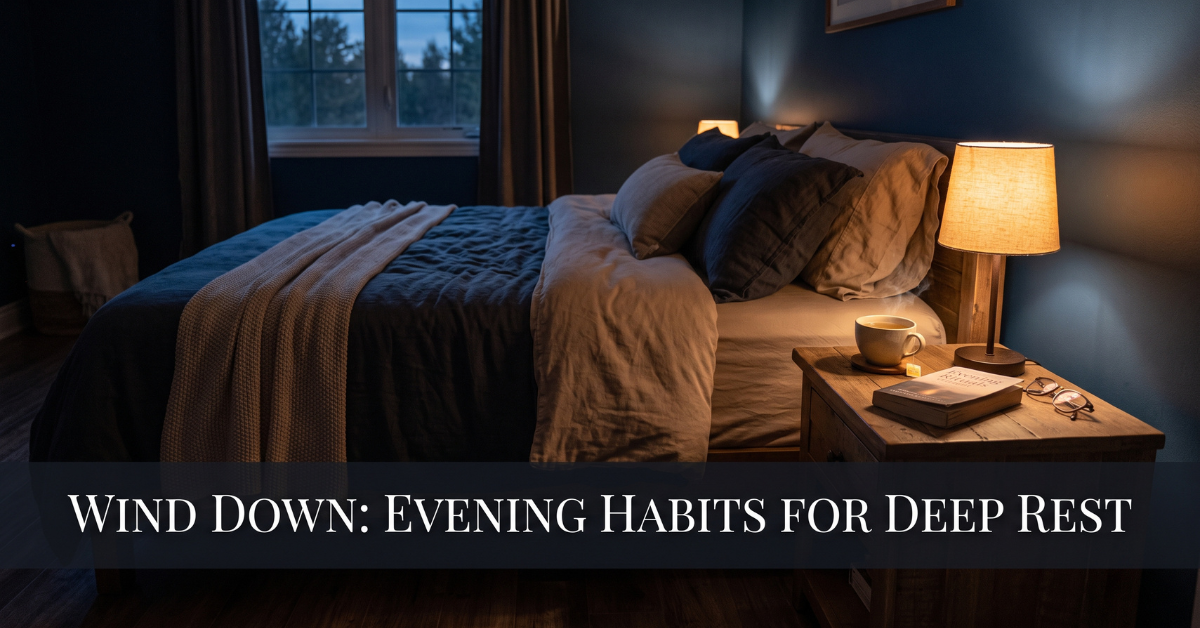
Sleep is where the majority of nervous system repair happens, and yet the modern evening — bright screens, late meals, unresolved to-do lists — is often engineered almost perfectly to work against it. A deliberate wind-down routine isn’t a luxury; it’s the mechanism by which your body actually receives the message that the day’s demands are over.
Dim the Lights, Dim the Alertness
Bright overhead light in the evening suppresses melatonin production, the hormone responsible for signaling sleep onset. Switching to warm, dim, indirect lighting for the last one to two hours before bed helps your circadian system recognize that night has actually arrived.
A Warm Ritual Beverage
A warm, caffeine-free beverage in the final hour before bed — chamomile tea sweetened with a spoon of manuka honey, for instance — serves a dual purpose: the warmth itself has a mild parasympathetic effect, and the ritual of preparing it signals to the brain that the transition to rest has begun.
Temperature Regulation
Core body temperature needs to drop slightly to initiate sleep. A cooler bedroom, a warm shower an hour before bed (which paradoxically helps trigger the subsequent temperature drop), and breathable bedding all support this natural process.
The Extended Exhale, Revisited
Closing the day with five minutes of the extended exhale breathing pattern described earlier gives your nervous system a final, direct cue: the sympathetic accelerator can fully release now.
Common Evening Mistakes Worth Retiring
A few habits reliably work against evening nervous system wind-down: scrolling emotionally charged news or social content in bed, using the bedroom for work-related tasks (which erodes the brain’s association between that space and rest), consuming a heavy or spicy meal too close to bedtime, and treating sleep as a task to optimize with anxious precision rather than a state to gently allow. Ironically, sleep-tracking obsession itself can become a subtle sympathetic stressor for some people — a phenomenon sometimes referred to informally as “orthosomnia.” If a sleep tool increases your anxiety about sleep, it has stopped serving its purpose.
A Simple Bedroom Environment Checklist
- Room temperature on the cooler side, generally comfortable without a blanket
- Blackout curtains or an eye mask to eliminate ambient light
- Devices charging outside the room, or at minimum in airplane mode and face-down
- Consistent sleep and wake times, even on weekends, to protect circadian rhythm
- A single, calming scent (such as lavender) reserved only for bedtime, creating an associative cue over time
Building Your Daily Wellness Habits for Nervous System Regulation Routine
The habits above are most powerful not in isolation but as a sequenced daily architecture. Below is a sample framework — adapt the timing and specific practices to your own life rather than following it rigidly.
| Time of Day | Practice | Purpose |
| Wake | Natural light + hydration | Anchor circadian rhythm |
| Morning | Journaling + gentle movement | Metabolize cortisol surge |
| Midday | Box breathing before stressful tasks | Focused nervous system reset |
| Afternoon | Mineral-rich snack, offline block | Support HPA axis, reduce digital load |
| Evening | Dim lighting, warm tea, extended exhale | Activate parasympathetic wind-down |
Expect this to be a slow build rather than an overnight transformation. Most people notice subtle shifts — slightly easier sleep onset, less reactivity to minor irritations — within two to three weeks of consistent practice, with more durable changes in baseline resilience emerging over two to three months. Nervous system regulation is not a single fix; it’s a relationship you build with your own physiology, one small, repeated signal at a time.
Applying Nervous System Regulation Across Real-Life Contexts
A daily routine is the foundation, but real life rarely stays within the tidy bounds of a morning-to-evening template. Below are a few specific contexts where nervous system awareness makes an outsized difference.
At Work: Regulating Without Leaving Your Desk
Open-plan offices, back-to-back video calls, and constant Slack or email pings create a near-continuous low-grade activation for many professionals. A few discreet tools help: the physiological sigh described earlier can be done in under ten seconds without anyone noticing. Standing up and taking three slow breaths between meetings, rather than immediately opening the next tab, gives the nervous system a brief but meaningful reset window. And scheduling five-minute buffers between calls — even if it means declining a back-to-back invite — protects the transition time your body needs to downshift before the next demand arrives.
During Travel: Protecting Your Baseline Away From Home
Travel disrupts nearly every anchor this guide relies on — light exposure, sleep timing, food routine, and movement patterns all shift at once. Rather than trying to maintain every habit perfectly, prioritize the two or three with the highest impact: morning light exposure (even through an airplane or hotel window), hydration with electrolytes to offset the dehydrating effects of air travel, and the extended-exhale breathing practice before sleep in an unfamiliar bed. Public Wi-Fi at airports and hotels is also one of the highest-risk environments for data interception, which is precisely when the privacy habits discussed earlier in this guide matter most — traveling is when your digital footprint is most exposed, and it’s worth treating your connection with the same intentionality you’d treat your physical safety.
In Relationships: Co-Regulation as a Two-Way Street
Nervous systems don’t regulate in isolation — they respond to the nervous systems around them, a phenomenon researchers call co-regulation. A calm, steady voice from a partner or friend can measurably lower another person’s physiological arousal, while a tense, rushed interaction can do the opposite, even without a single word about the actual stressor being exchanged. This is part of why a brief, unhurried hug, a slow and grounded tone of voice during a disagreement, or simply sitting quietly with someone you trust can be genuinely regulating in a way that logic and reassurance alone often aren’t.
During High-Stress Seasons: Triage, Not Perfection
During genuinely demanding periods — a work deadline crunch, a family health situation, a major life transition — attempting a full, perfect routine often backfires by becoming one more source of pressure and self-criticism. Instead, identify your two non-negotiables (commonly: sleep protection and one daily breathing practice) and let everything else flex. Nervous system regulation during hard seasons is about damage control and consistency in the essentials, not optimization.
A Quick-Reference Glossary of Key Terms
Wellness content often borrows scientific vocabulary without defining it. Here is a plain-language reference for the terms used throughout this guide.
Autonomic Nervous System (ANS): The part of the nervous system that controls involuntary functions like heart rate, digestion, and breathing without conscious effort.
Sympathetic Nervous System: The branch of the ANS responsible for the “fight, flight, or freeze” activation response.
Parasympathetic Nervous System: The branch of the ANS responsible for “rest and digest” recovery functions.
Vagus Nerve: The longest cranial nerve, forming the main communication highway of the parasympathetic system between the brain and major organs.
Heart Rate Variability (HRV): The variation in time between consecutive heartbeats, commonly used as an indirect marker of nervous system flexibility and resilience.
HPA Axis: Short for hypothalamic-pituitary-adrenal axis, the hormonal pathway that governs the body’s cortisol-driven stress response.
Gut-Brain Axis: The bidirectional communication network linking the digestive system and the brain, involving the vagus nerve, hormones, and the gut microbiome.
Co-Regulation: The process by which one person’s calm or activated nervous system state influences the nervous system state of someone nearby.
Frequently Overlooked Factors That Quietly Shape Your Nervous System
Seasonal and Light-Cycle Variation
Nervous system baseline isn’t static across the year. Shorter daylight hours in fall and winter reduce natural light exposure, which can shift circadian timing and, for many people, subtly increase baseline sympathetic tone and lower mood stability. Compensating with a consistent morning light routine — even a bright light source used for ten to fifteen minutes on darker mornings — helps offset this seasonal drift. Recognizing that some months genuinely require more deliberate regulation effort than others removes the unhelpful self-judgment of “why does this feel harder right now than it did in the summer.”
Alongside daylight, ambient noise is another quietly influential variable. Constant low-level environmental noise — traffic, open-office chatter, notification chimes — has been associated with sustained elevations in cortisol even when the noise itself is consciously ignored. Where possible, building brief windows of genuine quiet into the day, whether through noise-canceling headphones, a quiet room, or simply stepping outside a noisy environment for a few minutes, gives the auditory system a comparable rest to what a bright-light break gives the visual system.
Posture and Physical Structure
A collapsed, forward-hunched posture physically compresses the diaphragm and chest cavity, making the deep, slow breathing that supports vagal activation mechanically harder to achieve. Simply sitting upright with an open chest, even without doing any formal breathing exercise, tends to shift breathing toward a slower, deeper pattern by default. This is one reason ergonomic awareness — chair height, screen position, regular standing breaks — belongs in a nervous system regulation conversation, not just an office wellness one.
Caffeine Sensitivity and Timing
Caffeine directly stimulates the sympathetic nervous system by blocking adenosine, a molecule that otherwise promotes calm and sleepiness. For people who are especially sensitive, even moderate intake later in the day can keep the nervous system in a mildly activated state well into the evening, undermining the wind-down habits described earlier. A simple experiment — shifting your last caffeinated beverage to before noon for two weeks — is one of the most revealing self-tests available for understanding your own sensitivity.
Unprocessed Emotional Load
Physiological habits are powerful, but they operate alongside — not instead of — emotional processing. Grief, unresolved conflict, or suppressed frustration can maintain a background level of nervous system activation regardless of how well-optimized your breathing or sleep routine is. Journaling, talking with a trusted friend, or working with a therapist addresses a layer that breathing exercises alone cannot reach. The two approaches are complementary: physiological habits create the stability that makes emotional processing more accessible, and emotional processing removes a source of activation that no amount of breathwork can fully offset on its own.
Sleep Debt and the Myth of Weekend “Catch-Up”
Many people run a consistent sleep deficit during the week and attempt to repay it with long weekend sleep-ins. While extra rest is never wasted, this pattern also disrupts circadian consistency, effectively creating a mild, self-imposed jet lag every Monday. A nervous system that thrives on predictable rhythm generally responds better to a smaller, consistent sleep window across all seven days than to a large deficit followed by an oversized weekend correction. If weekday sleep is genuinely too short, the more durable fix is adjusting the weekday schedule itself — an earlier bedtime, a later first meeting — rather than relying on the weekend to balance the ledger.
During Illness or Physical Recovery
Illness and injury place the body in a state that shares physiological overlap with chronic stress — elevated inflammatory activity, disrupted sleep, and a nervous system understandably prioritizing repair over performance. This is a season to lean fully into parasympathetic-supportive habits — warmth, rest, gentle hydration with electrolytes, minimal digital stimulation — and to set aside performance-oriented goals like intense exercise or ambitious daily routines entirely. Respecting this recovery state, rather than pushing through it, tends to shorten its overall duration.
When to Seek Professional Support
The habits in this guide are genuinely supportive, but they are not a substitute for professional care when symptoms are severe, persistent, or interfering with daily functioning. Panic attacks, prolonged sleep disruption lasting weeks, digestive symptoms that don’t respond to dietary changes, or a pervasive sense of dread that doesn’t lift with rest are all reasonable signals to consult a physician, therapist, or other licensed provider. Self-guided nervous system habits work best as a complement to professional care when it’s needed, not a replacement for it.
Common Myths About Nervous System Regulation, Debunked
Myth: You Need to Eliminate Stress Entirely
Stress itself is not the enemy — a healthy nervous system is designed to activate under real demand and then return to baseline. The goal of regulation isn’t a permanently flat, stress-free existence, which isn’t realistic or even desirable, since some sympathetic activation supports focus, motivation, and performance. The actual goal is recovery capacity: how efficiently your system returns to baseline once the demand has passed.
Myth: More Meditation Time Automatically Equals More Regulation
A single sixty-minute meditation session once a week tends to produce far less durable change than five minutes of consistent practice every day. Regulation is built through repetition and consistency, not duration in any single session. If you only have three minutes, three well-used minutes daily will typically outperform an occasional hour.
Myth: If You’re Not Anxious, Your Nervous System Doesn’t Need Attention
Dysregulation doesn’t always look like visible anxiety. It can look like chronic fatigue, digestive sensitivity, difficulty focusing, or a persistent low mood that doesn’t have an obvious trigger. Nervous system habits are protective and beneficial regardless of whether you currently identify as “an anxious person,” in the same way that strength training benefits people who don’t currently feel weak.
Myth: Supplements and Products Alone Can Regulate Your Nervous System
Nutrient-dense foods, well-chosen minerals, and a protected sleep environment can meaningfully support the physiological foundation of regulation, but no single product replaces the behavioral core of this work — breath, movement, light exposure, and consistent rhythm. Treat supportive foods and tools as accelerants for a routine you’re already building, not as a substitute for building it.
Signs Your Nervous System Is Actually Healing
Progress with nervous system regulation is often subtle and easy to miss if you’re waiting for a dramatic shift. Watch instead for these quieter markers:
- You notice tension building in real time, before it fully takes over
- Recovery after a stressful event happens faster than it used to — minutes instead of hours
- Sleep onset feels easier, even if total sleep time hasn’t changed dramatically yet
- You can sit in silence or stillness without an urge to immediately reach for your phone
- Minor inconveniences — a delayed train, a typo in an email — feel proportionate rather than catastrophic
- Your breathing, when you check in on it, is naturally slower and lower in the belly than it used to be
These markers matter more than any single dramatic breakthrough, because they represent your baseline actually shifting — which is the entire point of daily practice over quick fixes.
A Final Word
Your nervous system has been listening to every signal you’ve sent it — every rushed morning, every skipped meal, every notification, every shallow breath. Practicing daily wellness habits for nervous system regulation is how you change that conversation. The good news is that your body is also remarkably responsive to new signals, and it never stops learning. Start with one habit from this guide. Let it become automatic. Then add another. Calm, it turns out, is not something you find — it’s something you build, one deliberate signal at a time.
If you take only one idea away from this guide, let it be this: regulation is not a personality trait some people have and others don’t — it is a trainable capacity, built through ordinary, repeatable moments rather than singular breakthroughs. The person who feels calm most of the time is not necessarily someone to whom life happens to be gentler. Far more often, they are someone who has, deliberately or not, built a stack of small daily signals that consistently tell their body it is safe. That stack is available to you too, starting with whichever single habit from this guide feels most doable today.
Stay dewy! Bookmark WellbeingPrime.com for more evidence-based wellness guides.
💡 Frequently Asked Questions (FAQ)
What is nervous system regulation and why does it matter?
Nervous system regulation refers to the ability to move fluidly between states of alertness and calm rather than getting stuck in chronic stress activation. Building daily wellness habits for nervous system regulation supports better sleep, digestion, mood stability, and long-term resilience to daily stressors.
How long does it take to see results from vagus nerve exercises like breathwork?
Many people notice an immediate, short-term calming effect from a single breathwork session. Longer-term shifts in baseline nervous system resilience typically develop with consistent daily practice over two to twelve weeks.
Are manuka honey and Celtic sea salt safe for daily use?
Both are generally well-tolerated as part of a balanced diet for most healthy adults. Individuals managing blood sugar conditions or sodium-restricted diets should consult a healthcare provider before adding them regularly.
Can breathing exercises replace medical treatment for anxiety?
No. Breathwork and the habits in this guide are supportive wellness practices, not substitutes for professional diagnosis or treatment. Anyone experiencing persistent anxiety, panic, or distress should consult a licensed healthcare provider.
What is the best time of day to practice nervous system regulation habits?
There is no single best time — morning practices help set your baseline for the day, midday practices help manage acute stress, and evening practices support sleep onset. A routine spread across all three tends to be most effective.
How do I know if I should focus on calming down or gently energizing myself?
If you feel wired, tense, or unable to settle, prioritize extended-exhale breathing and rhythmic movement. If you feel foggy, flat, or disconnected, prioritize warmth, gentle circulation-building movement, and social connection. Checking in with your body before choosing a technique makes the practice far more effective.
Do I need to do all of these habits every single day to see benefits?
No. Starting with just one or two consistent habits — such as morning light exposure and an evening breathing practice — is a far more sustainable approach than attempting the full routine at once. Consistency with a few habits outperforms sporadic effort with many.
Disclaimer: This article is for general informational and educational purposes only and does not constitute medical, health, or beauty advice. Individual results with foods, supplements, movement, or skincare-related practices may vary. Always consult a qualified healthcare professional before making significant changes to your diet, exercise, or wellness routine, particularly if you have an existing medical condition.
🌿 Weekly wellness, health & beauty insights — straight to your inbox
Free subscription · Cancel anytime