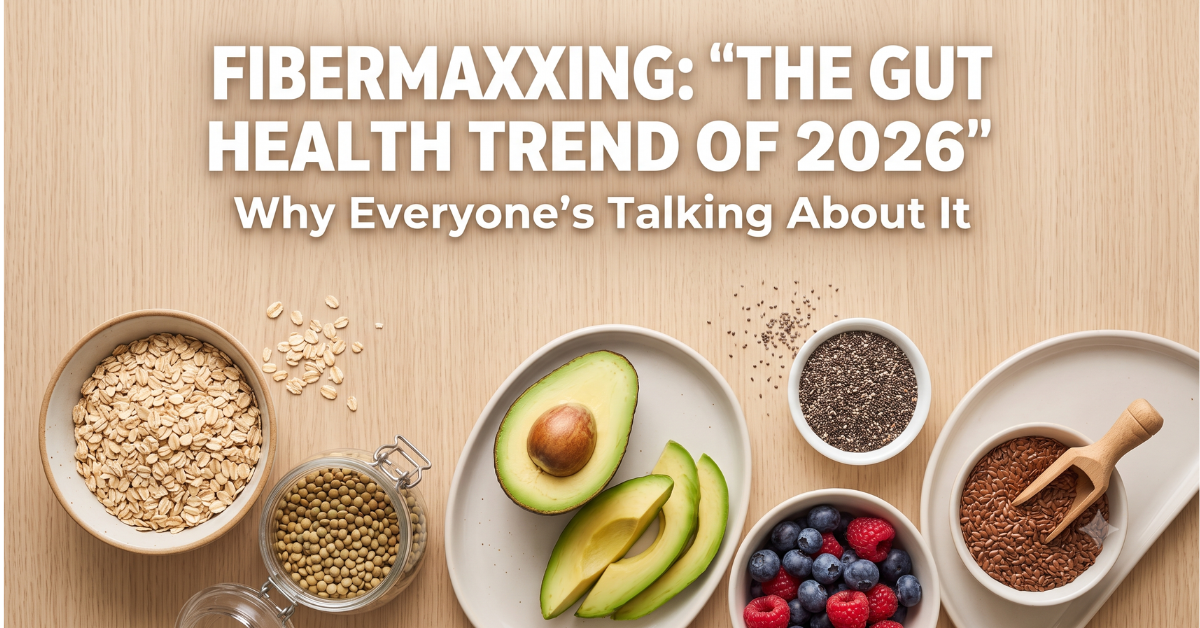
Fibermaxxing 101: The Gut Health Trend Redefining Wellness in 2026
A science-backed look at the fiber movement everyone in the wellness world is suddenly obsessed with — and how to actually do it right.
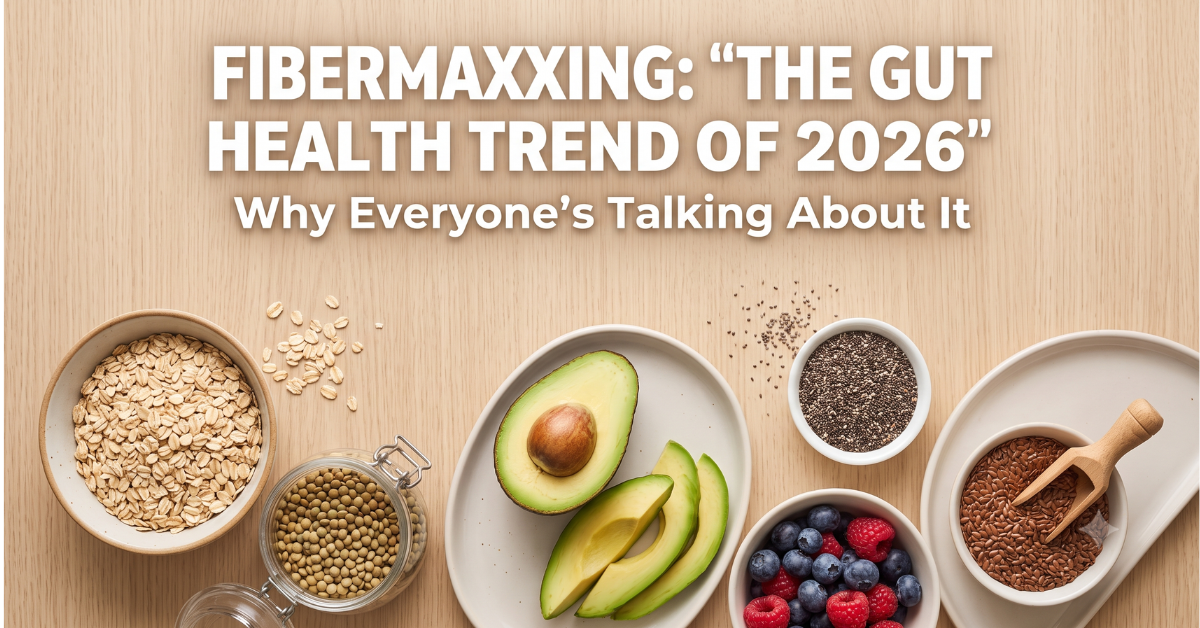
If you’ve spent any amount of time scrolling wellness content lately, you’ve probably seen the word before you understood what it meant. It sounds aggressive, almost like a gym term — but “fibermaxxing” has nothing to do with lifting weights. It’s about lifting your fiber intake, deliberately and consistently, until your gut, your energy levels, and even your skin start to notice the difference.
Unlike the fleeting detox teas and 24-hour cleanses that have cycled through wellness culture for years, fibermaxxing has staying power because it’s rooted in something researchers have quietly agreed on for decades: most people simply aren’t eating enough fiber, and the gap is costing them more than they realize.
What Exactly Is Fibermaxxing?
At its core, fibermaxxing is the practice of intentionally maximizing dietary fiber intake through whole foods, targeted supplements, and mindful meal planning — rather than treating fiber as an afterthought on a nutrition label. It’s less a “diet” and more a lens: before you finalize a meal, you ask, where’s the fiber in this?
The term picked up momentum as nutrition-forward creators and registered dietitians began pointing out a stubborn statistic: the average adult in the US and UK consumes somewhere between 12 and 18 grams of fiber per day, while national dietary guidelines recommend 25 to 38 grams. That gap — quietly present for years — has become the centerpiece of a new wellness conversation.
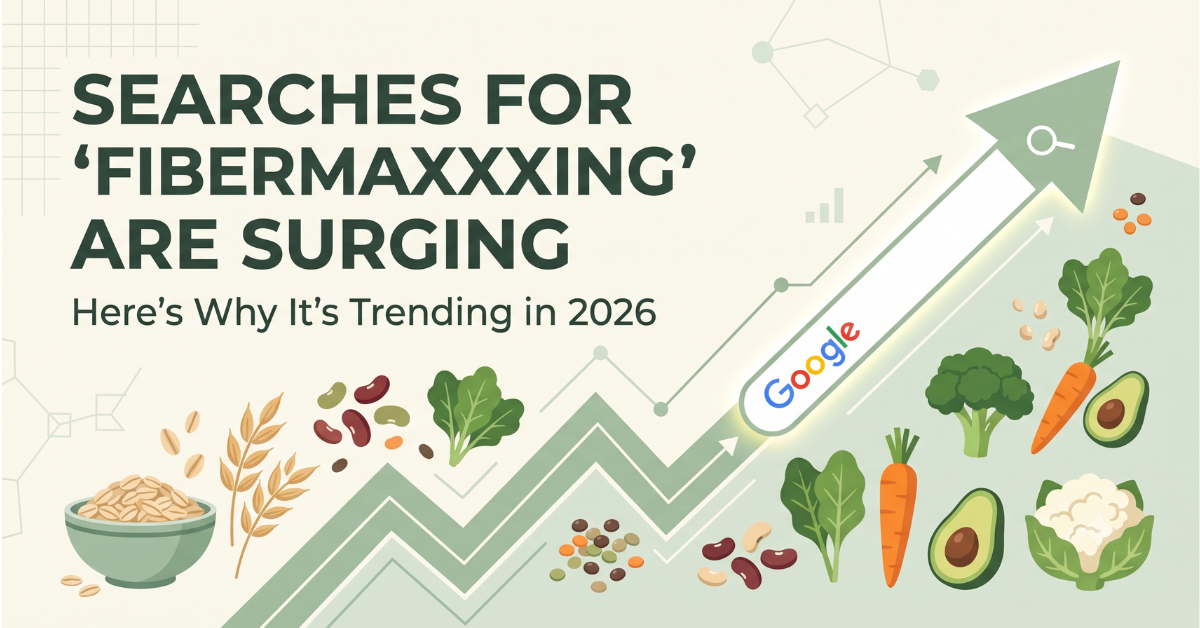
The Science Behind the Trend
Fiber’s reputation has evolved dramatically over the past two decades. It used to be filed under “helps you stay regular” and left at that. Today, nutrition science treats fiber as one of the most influential levers you can pull for whole-body health, largely because of what happens to it after it reaches the colon.
When fiber — particularly the soluble, fermentable kind — reaches your gut microbiome, resident bacteria break it down and produce short-chain fatty acids (SCFAs) like butyrate, acetate, and propionate. These compounds aren’t just biological byproducts; they feed the cells lining your colon, help regulate inflammation, and appear to play a role in everything from blood sugar stability to immune signaling. This is the biological engine behind why “gut health” and “overall health” have become nearly interchangeable phrases in modern wellness science.
How Fiber Supports Total-Body Wellness
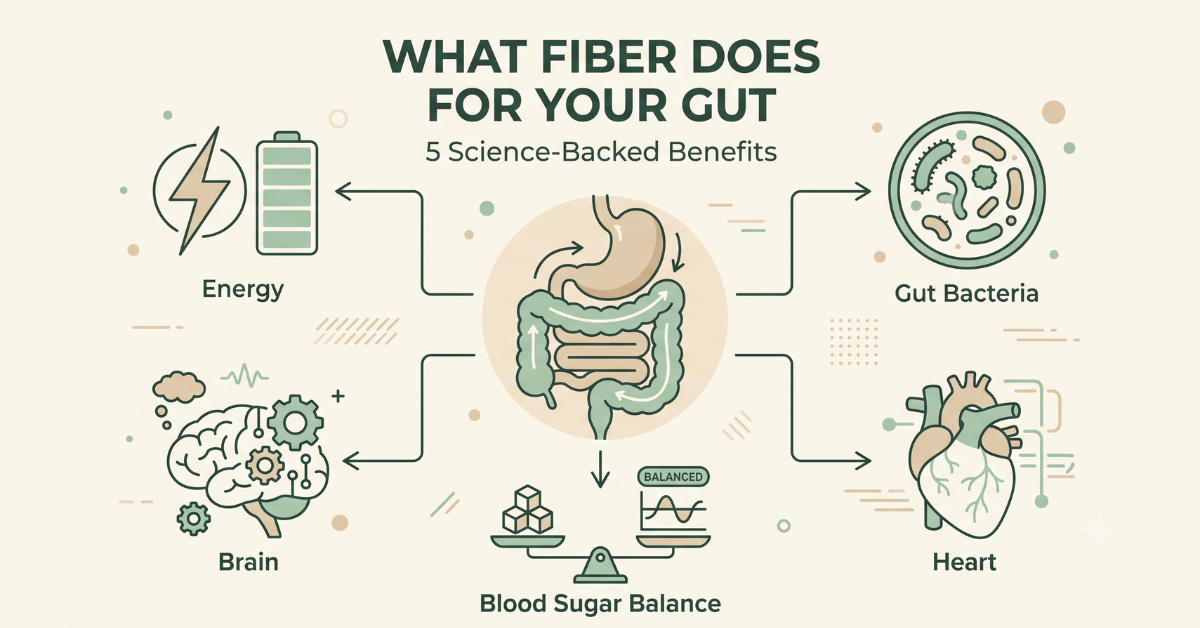
Fiber’s influence extends well beyond digestion. Here’s where the research points:
- Gut microbiome diversity: A varied fiber intake feeds a wider range of bacterial species, which is consistently associated with better metabolic and immune outcomes.
- Blood sugar regulation: Soluble fiber slows glucose absorption, helping to flatten post-meal blood sugar spikes.
- Cardiovascular support: Fiber, especially from oats and legumes, binds to cholesterol particles in the digestive tract and helps escort them out of the body.
- Satiety and weight management: Fiber-rich meals slow gastric emptying, which means you stay fuller longer without needing to restrict calories aggressively.
- Mood and cognition: Emerging research on the gut-brain axis suggests that a healthier microbiome — partly shaped by fiber intake — may influence mood regulation and mental clarity.
Ready to close your own fiber gap? These are the products our team actually keeps in rotation:
Shop Prebiotic Fiber Powder → Browse the Wellness Storefront →Soluble vs. Insoluble Fiber — Know the Difference
Soluble Fiber
This type dissolves in water to form a gel-like substance in the digestive tract. It’s the fiber most closely linked to cholesterol reduction and blood sugar regulation. You’ll find it in oats, chia seeds, psyllium husk, beans, and citrus fruits.
Insoluble Fiber
This type doesn’t dissolve and instead adds bulk to stool, helping food move efficiently through the digestive system. It’s abundant in whole grains, nuts, and the skins of fruits and vegetables.
A well-rounded fibermaxxing approach doesn’t chase one type over the other — it layers both throughout the day for a synergistic effect on digestion, metabolism, and microbiome diversity.
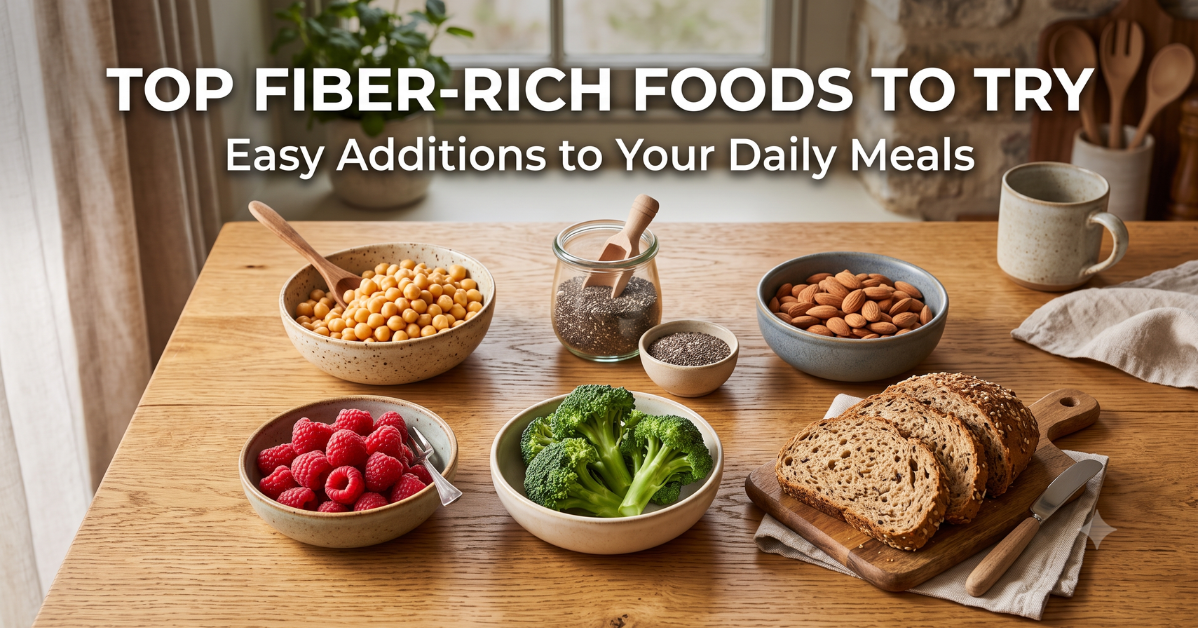
Top Fiber-Rich Foods & Products to Try
Building a fibermaxxing routine doesn’t require a complete pantry overhaul. A few strategic additions go a long way:
- Organic chia seeds — easy to sprinkle into smoothies, oatmeal, or yogurt. We like Mamma Chia Organic Chia Seeds.
- Oat bran — a soluble fiber powerhouse for breakfast. Try Bob’s Red Mill High Fiber Oat Bran.
- Psyllium husk capsules — a convenient bridge for days when whole-food fiber is hard to hit. See Solgar Psyllium Husk Capsules.
- Prebiotic inulin powder — feeds beneficial gut bacteria directly. Explore Sprout Living Prebiotic Inulin Powder.
- A comprehensive gut formula — for those wanting fiber paired with additional gut-supportive nutrients. Consider Codeage Gut Health Formula.
- On-the-go snack bars — for busy days when whole foods aren’t accessible. Try the California Gold Nutrition Snack Bar Variety Pack.
How to Start Fibermaxxing Without Overdoing It
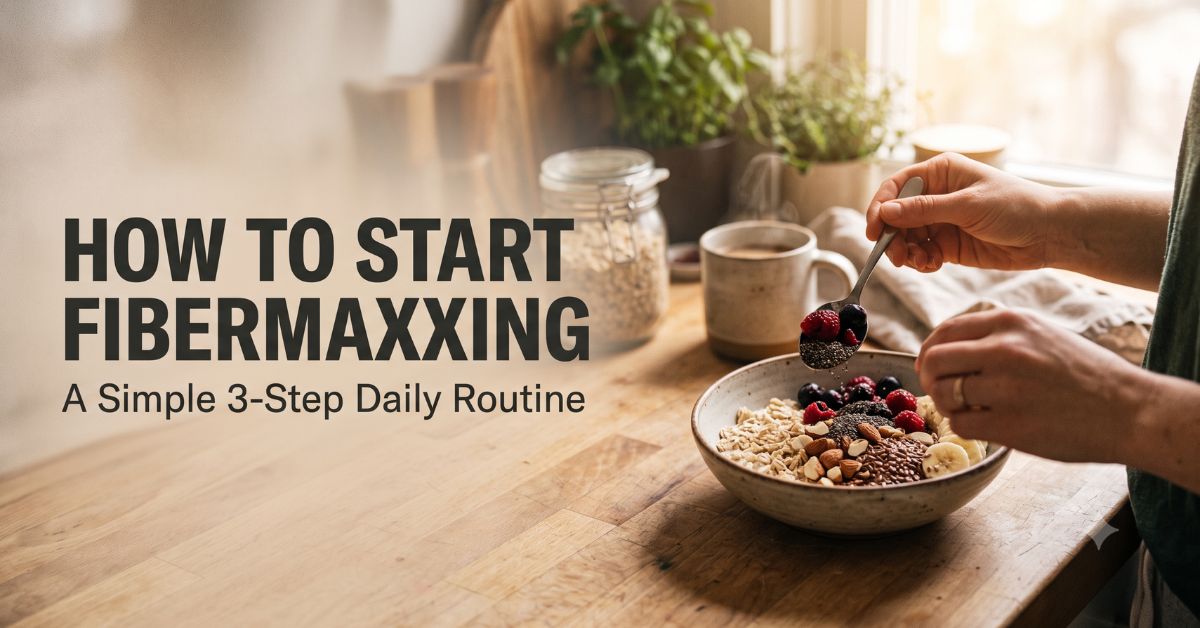
The biggest mistake newcomers make is going from 15 grams to 40 grams of fiber overnight. The result is almost always bloating, gas, and discomfort — which then gets blamed on fiber itself rather than the pace of the increase. A smarter approach:
- Increase gradually. Add 3–5 grams every few days rather than doubling your intake at once.
- Hydrate deliberately. Fiber needs water to do its job — aim for at least 2 liters daily as your intake rises.
- Spread it across meals. Rather than front-loading fiber at breakfast, distribute it across three meals and a snack.
- Track how you feel. A simple food and symptom journal makes it easy to identify which sources agree with your body.
Stock your kitchen for a smoother transition into fibermaxxing:
Shop Fiber Essentials on Amazon → Visit the Full Storefront →Who Should Be Cautious
Fibermaxxing isn’t universally frictionless. People managing IBS, IBD, or other digestive conditions may need to introduce fiber more slowly, or favor specific types over others, under the guidance of a healthcare provider. Certain medications can also interact with high-fiber intake by affecting absorption timing. If you’re on prescription medication or managing a diagnosed digestive condition, it’s worth discussing any significant dietary shift with a doctor or registered dietitian before diving in.
Final Thoughts

Fibermaxxing isn’t a 30-day challenge or a viral gimmick that will quietly disappear by next season. It’s a return to a nutritional fundamental that got buried under decades of flashier trends — and the science backing it is only getting stronger. Start small, stay consistent, and let your gut do the rest.
Stay dewy! 🌿 Bookmark WellbeingPrime.com for more evidence-based wellness guides.
💡 Frequently Asked Questions (FAQ)
Q1: How much fiber should I actually be eating per day?
Most health authorities recommend 25 grams per day for women and 38 grams per day for men, though individual needs can vary based on age, activity level, and digestive health.
Q2: Can I get all my fiber from supplements instead of food?
Supplements like psyllium husk or inulin powder can help close the gap, but whole foods offer additional nutrients and a broader range of fiber types that supplements alone can’t fully replicate.
Q3: Why does increasing fiber cause bloating at first?
A sudden increase gives gut bacteria more to ferment than they’re used to, producing extra gas. This typically resolves within one to two weeks as your microbiome adjusts.
Q4: Is fibermaxxing safe for everyone?
Most healthy adults can safely increase fiber intake gradually, but those with IBS, IBD, or certain medication regimens should consult a healthcare provider before making significant changes.
Q5: What’s the fastest way to start fibermaxxing today?
Add one fiber-rich food to your first meal of the day — such as chia seeds, oat bran, or a prebiotic powder — and build from there rather than overhauling your entire diet at once.
Disclaimer: This article is for informational and educational purposes only and is not intended as medical advice. Always consult a qualified healthcare provider before making significant changes to your diet, especially if you have an existing health condition or take medication. Some links in this article are affiliate links, meaning WellbeingPrime may earn a small commission at no additional cost to you if you make a purchase.
🌿 Weekly wellness, health & beauty insights — straight to your inbox
Free subscription · Cancel anytime