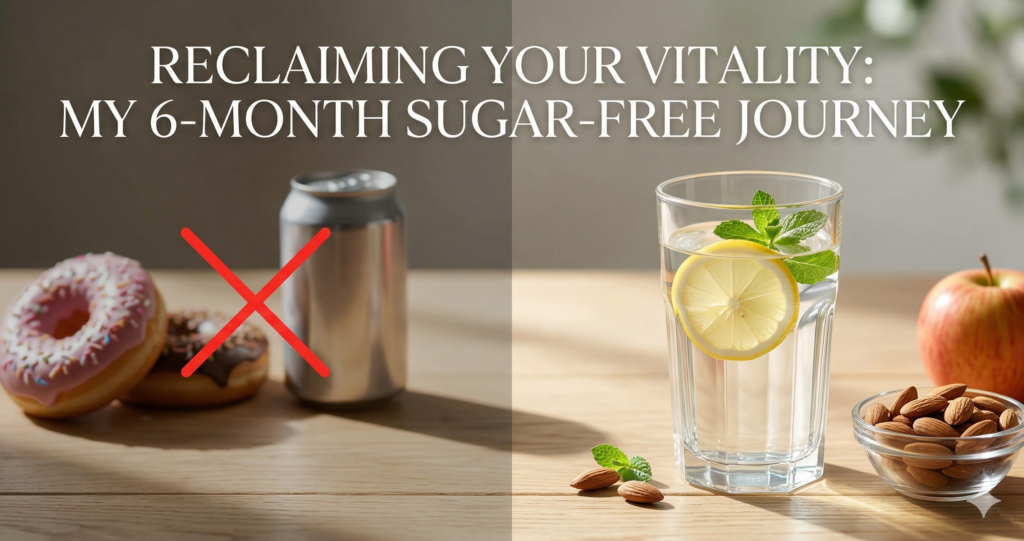
It has been six months since I made a defining decision for my long-term wellbeing: I decided to cut sugar from my diet. This wasn’t an overnight, “cold turkey” approach, nor did it mean I eliminated every trace of sugar from every meal. The pressure of perfection is often what leads us to fail. Instead, I focused my initial energy purely on the “red zone” items. These were the highly processed, obvious sugars: the sweet snacks, the tempting desserts, and the soda pop that subtly steals our energy.
This singular shift, focusing on balance rather than restriction, became one of the biggest contributors to my weight loss journey. While it is common knowledge that excessive sugar is detrimental to our health, what we often lack is a practical framework—something tangible and realistic that can be integrated immediately after looking at the evidence. We do not need more abstract theories; we need tools.
Today, I want to share the practical methodology I developed, which I call the “no crave method.” This method is the foundation of how I navigated my own six-month sugar-cut challenge. Sweets can be highly addictive. Trust me, I speak from experience. I used to have a truly serious sweet tooth, including a long phase where I felt I could not finish my dinner without eating a full serving of Häagen-Dazs ice cream every single night.
If sweet desserts or intense sugary cravings are among the most significant obstacles in your own weight loss or holistic health journey, my hope is that the practical, lived tips in this post will help you build healthier, more conscious eating habits, eventually leading to a more energetic, vibrant, and happier you. This is not about deprivation; it is about reclaiming your vitality.
The Bitter Truth: The “Big Why” Behind the Change
The logical first question is: why undertake this at all? For me, the motivation was deeply personal and non-debatable. The “big why” behind confronting the bitter truth about sweets began with my family.
My father is currently on the very verge of developing full-blown diabetes. His doctor issued a severe warning, urging him to watch his diet due to dangerous blood sugar spikes. Seeing him check his levels every other day and struggle to maintain a strict dietary regimen was a powerful, alarming wake-up call. It made me pause and realize that metabolic health is not a guarantee. It forces you to wonder if you should pay more immediate, conscious attention to your own sugar consumption before you reach that critical alert point.
Secondly, my own physical wellbeing needed support. Ever since the birth of my younger son, my gut health has been exceedingly sensitive. Whether this sensitivity stems from the C-sections I had for both my children or simply because my body became weaker and more depleted post-pregnancy, my digestion has never returned to its pre-pregnancy state.
In my research to restore my gut, I learned that one of the most significant and scientifically non-debatable things an individual can do to improve gut microbiome health is to dramatically cut down on sugar. Pathogenic bacteria thrive on sugar; supporting the beneficial bacteria requires starches and fibers, not the high-fructose corn syrup that dominates modern snacking.
Finally, in most cases, including my own, weight gain and metabolic stagnation come primarily from snacking, specifically from sugary desserts and drinks. Since I reduced sweets so fundamentally in my daily eating, I truly do not crave them the way I used to. In fact, on the rare occasions that I taste a slice of cake for a celebration, it often feels intensely, almost unpleasantly, too sweet for me. This subtle shift reinforces a profound truth: the more sugar you eat, the more your body is conditioned to crave it. The effect is subtle, but it becomes chronic.
Subtle But Chronic: Recognizing the Common Symptoms
Many of us go through life experiencing sugar-related symptoms without ever making the conscious connection. We normalize them as “stress” or “aging,” but often, they are clear metabolic signals.
I must be clear: sugar is not the sole cause of these issues, and cutting sugar will not cure everything. However, these are common symptoms directly associated with high glucose variability and low-quality calories.
The common symptoms of excessive sugar consumption often include:
- Strong, Persistent Cravings: Feeling that you must have something sweet immediately after a meal, particularly dinner.
- Constant Energy Crashes: Experiencing an intense afternoon slump, leaving you foggy, tired, and unable to focus (the classic 3 PM crash).
- Mood Swings and Irritability: Feeling euphoric for a short moment, then suddenly feeling irritated, low, or anxious without a clear external reason.
- Digestive Discomfort: A heavy, uncomfortable, or bloated feeling after meals, particularly those rich in simple carbohydrates.
- Difficulty Losing Weight: Constant, unmanageable snacking and overeating, combined with a lack of energy for physical activity (a vicious loop).
- Low Skin Quality: Frequent breakouts, persistent acne, or skin that appears inflamed, red, or less resilient.
I have personally noticed improvements in every single one of these areas, even my skin quality. I hardly break out at all these days, and my energy feels steady and reliable. And the truly remarkable part about cutting sugar? There is absolutely zero downside or side effect to simply eating a little less of it. Your body loses nothing but inflammation and empty calories.
Establishing My “Little Sugar-Cut Challenge”
To provide total transparency, I want to detail exactly what I cut out and, critically, what I chose as replacements. I have been practicing this strategy for six months. I must emphasize that it was not a restrictive “cold turkey” approach from day one with zero exceptions. Perfection is the enemy of progress. I have had occasional cheat days, and I believe the true key to this six-month challenge has been maintaining a good balance rather than rigid self-punishment.
For now, I have only been focusing on the items in my designated “Red Zone.” I do not worry about the natural sugars present in fruits, nor do I obsess over the occasional slice of white bread. My long-term goal is sustainability, so I am only slowly starting to incorporate some “Yellow Zone” changes, such as replacing regular bread with quality sourdough for my breakfast.
Understanding the Red & Yellow Zones of Sugar
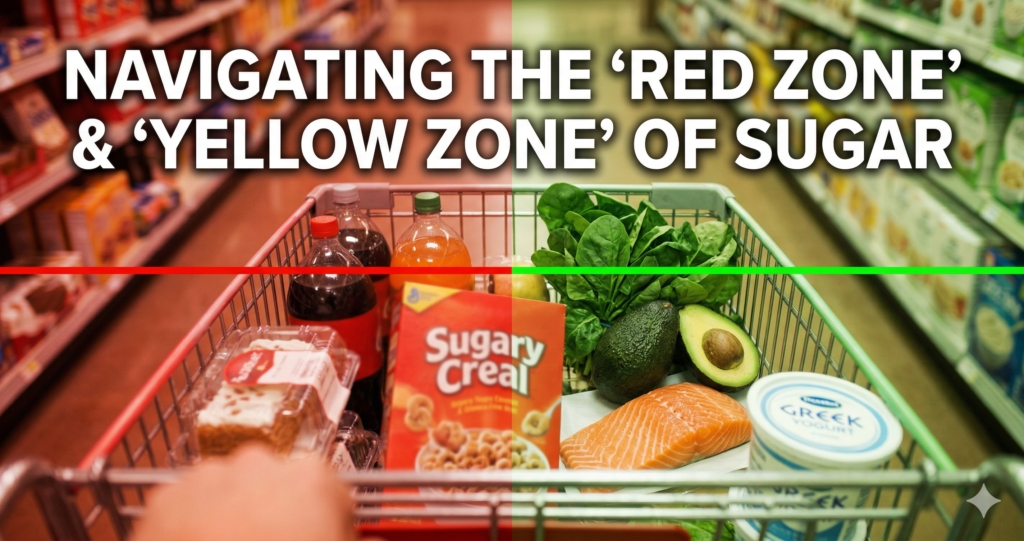
So, let me briefly explain my two categories of sugar consumption. This breakdown provides immediate clarity on which foods require immediate action and which ones require gradual moderation.
The Red Zone
The Red Zone is defined by obvious, high-fructose corn syrup-loaded foods that possess extremely high added sugar. These foods provide minimal nutritional value and cause dangerous glucose spikes and crashes.
Examples of Red Zone foods that I cut out:
- Cakes, cupcakes, and muffins
- Häagen-Dazs ice cream, gelato, and frozen yogurt
- Donuts, sweet pastries, and cookies
- Soda pop (even diet varieties, as they maintain the sugar habit)
- Processed juice and sugary energy drinks
- All forms of sweet bubble tea and excessive lattes with syrups
This area is where I stopped picking up things like cheesecake or tiramisu while grocery shopping, which, for me, was a massive behavioral shift. I used to pick them up out of habit. Now, I make a point of not putting them in my cart. I try not even to look at them—even though I can feel them looking at me.
The Yellow Zone
The Yellow Zone is defined by hidden sugars, which I find even more insidious. These are foods that seem nutritious on the surface but either cause extremely rapid glucose spikes or contain added sugars you do not expect to find.
Examples of Yellow Zone foods I am slowly moderating:
- Processed salad dressings that come with pre-made salads (often have sugar as a top ingredient)
- Regular yogurt (as opposed to natural, plain Greek yogurt)
- White bread, bagels, and croissants
- Waffles, pancakes, and sugary cereals
- Ready-to-drink “healthy” protein shakes that are often packed with hidden sugars
I must emphasize that this entire process is about sustainability. By cutting the Red Zone, I cut about 80% of my added sugar instantly. Replacing them with the Yellow Zone items provided essential nutritional volume without sacrificing flavor.
My Cravings Saviors: Practical Alternatives
Honestly, it is not easy to suddenly have zero snacks or desserts at all. In my personal experience, whenever I eat something spicy, my sweet cravings go wild. My tongue seems to seek immediate relief. These are my specific, practical “craving saviors” that helped me in the six months since I made this change:
- Lemon Water: I squeeze one fresh lemon into a large glass of water. This instantly refreshes my tongue and resets my palate, interrupting the immediate demand for sweets.
- Homemade Matcha: I make my own matcha and add only one teaspoon of maple syrup, compared to the multiple pumps of syrup often added in commercial cafes.
- Salty, Quality Nuts: A simple but highly satisfying choice, like raw almonds, walnuts, or cashews.
- Fruits I Love: Specific fruits like crisp apples or kiwi are wonderful for providing a natural, fiber-rich sweetness that does not cause a crash.
These simple, real-food alternatives were essential in bridging the gap between craving a dessert and actually finding a nourishing, satisfying snack.
The No-Crave Method: 3 Rules for Lasting Balance
We are all unique when it comes to our eating habits and our relationship with food. Some of you might be thinking, “I don’t eat desserts anyway. Why is this such a big deal?” others might be thinking, “I want to cut out sweets, but how do you actually do it?” I want to share a few tips I learned during my six-month sugar-cut challenge. What I did was integrate the three core rules of my “no crave method.”
The objective is not to battle cravings with sheer willpower, but to set up conditions where you naturally crave sugar less or even stop craving it altogether. Your body becomes metabolic resilient.
Rule 1: The 5-Minute Craving Delay Rule
When an intense sugar craving hits, the mistake most people make is trying to suppress it entirely or giving in immediately. This rule posits a middle path. When a craving hits, you don’t fight it—you delay it.
The protocol is simple:
- Set a timer for exactly 5 minutes.
- During this time, you must leave your current location, particularly the kitchen or living room. Cravings usually strike at the same time and in the same place.
- Change your environment. This is a powerful way to interrupt the habitual pattern and engage in an activity completely unrelated to food.
- Call a family member, write a quick entry in your journal, or just step outside for fresh air.
The craving usually fades. Why? Because most cravings are fleeting and emotionally driven. By delaying them and changing your physical environment, you break the instantaneous emotional link to sugar. Nine times out of ten, that initial, overwhelming urge disappears before the 5-minute timer even goes off.
Rule 2: The High Standards for Dessert Rule
This was a powerful needle-mover for me. I based it loosely on the character Anton Ego in the movie Ratatouille. When I told myself I couldn’t have desserts at all, I found myself craving them even more. Restriction creates its own resistance.
Having high standards for desserts freed me from that feeling of restriction and helped me voluntarily choose to eat less sugar. I adopted a simple internal filter: “If I don’t truly love this dessert, I’m not swallowing it.”
I stop eating sugary things just to satisfy a fleeting urge. Instead, I adopt Anton Ego’s perspective. If you are at a close friend’s birthday party or a special occasion like an anniversary, and you want to take a bite of cake for social reasons, go ahead. But if that cake is just mediocre, if it isn’t, “Wow, this is one of the best cheesecakes I have ever had,” then put down your fork. One bite is enough to honor the occasion. Don’t keep eating just because you are in the sugary environment.
This high standard naturally reinforces your palate’s reset. I still enjoy cheesecake or tiramisu, but very rarely, maybe on an anniversary. I would rather have a small, truly exceptional portion of a masterpiece dessert once a season than a large, mediocre amount of processed garbage multiple times a week.
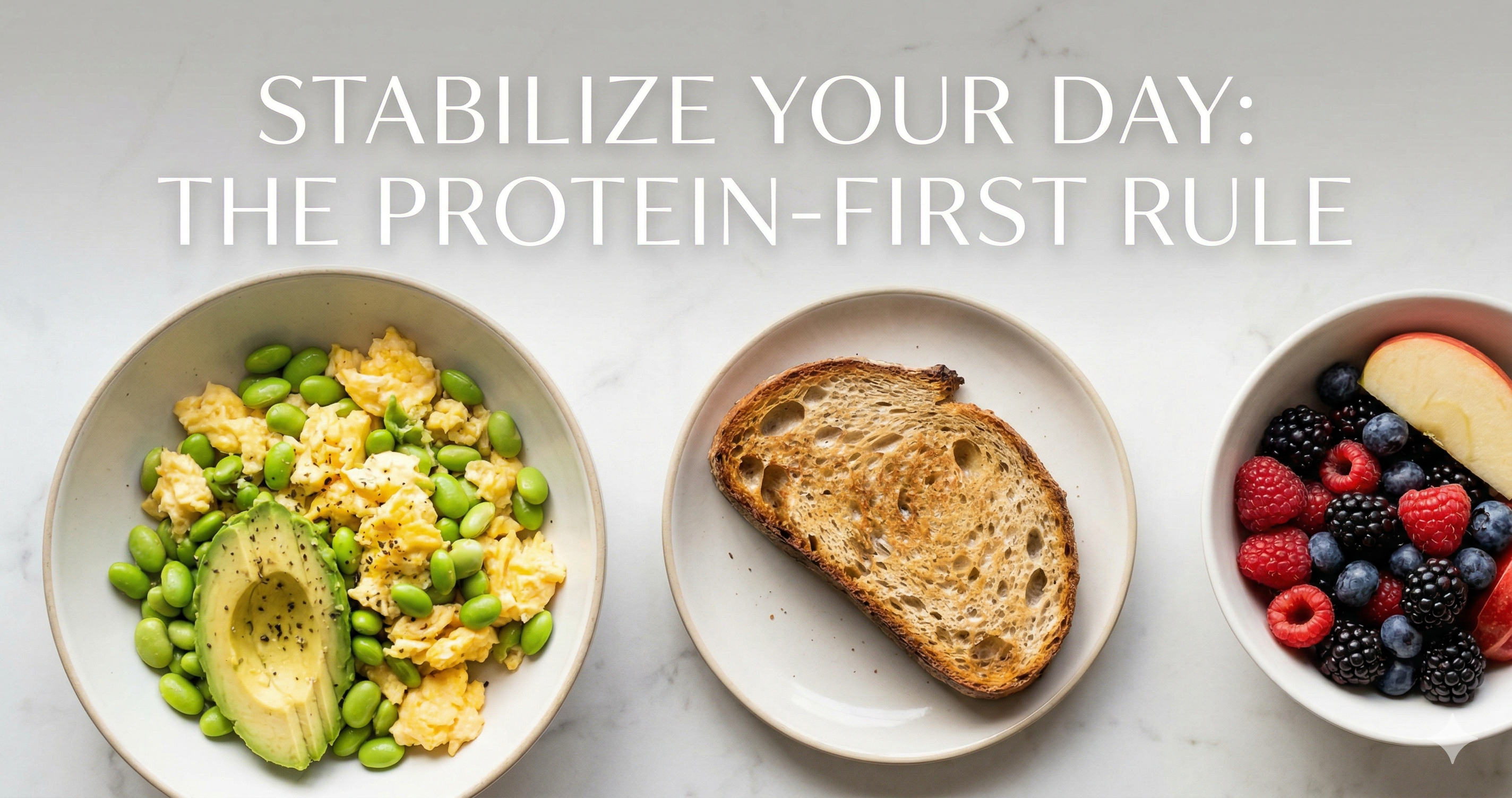
Rule 3: The Protein First Rule (Especially for Breakfast)
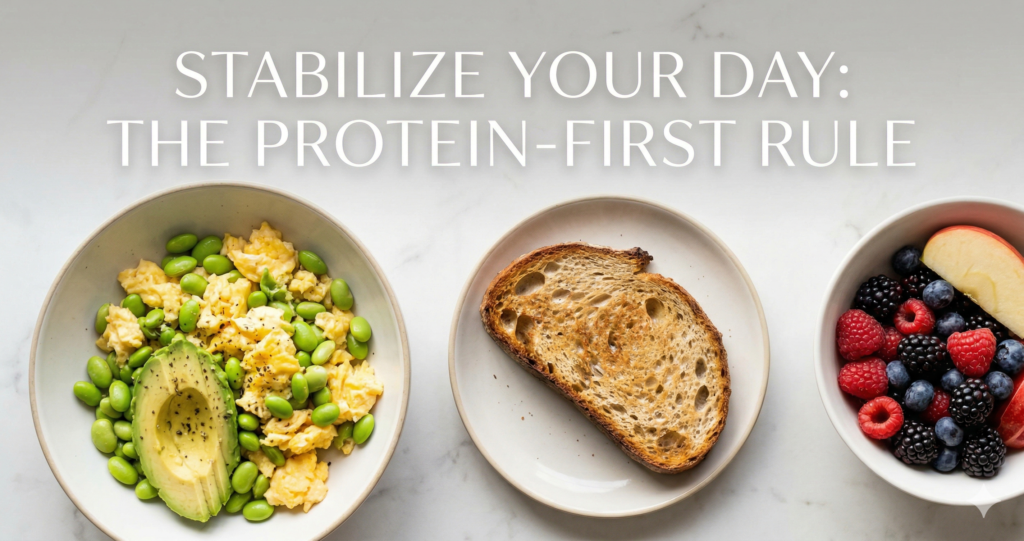
This is another key insight I learned during my six-month sugar-cut challenge. The exact order in which you eat the same foods can make a profound difference in minimizing glucose variability.
A typical breakfast we have in our home might look something like this: white bread, eggs, and fruit.
Here is the order in which I used to eat my breakfast: a bite of white bread first, and then everything else all mixed together with multiple bites. Here is how I eat it now, with the same foods:
- First: Eggs, edamame, or vegetables (protein/fat)
- Then: Sourdough or carbohydrate
- Finally: Fruits, like an apple slice
Always start with protein or vegetables, especially those high in fiber, and then have your bread, rice, or other carbohydrates afterward. Protein and healthy fats can help support steadier blood sugar levels at the start of the day. For me personally, this approach has also helped reduce my afternoon sugar urges as well.
The goal is to maintain metabolic resilience and avoid the common cycle of “spike, crash, crave.” This simple order-of-eating strategy provides a sustainable alternative to restriction.
The Trap of Guilt: Embracing Self-Compassion
It is not my intention to provide a sense of pressure. If you are comfortable consuming a little less sugar, I hope my experiences help you. If not, that is okay too. However, I want to wrap this up with one critical pitfall that you must watch out for if you decide to take this step: the trap of guilt.
You will most likely slip up. I did too, multiple times, and that is completely okay. Perfection is not the goal; persistence is. Self-compassion works far better than self-resentment in the long term. This is ongoing work. In today’s highly processed, sugar-saturated world, it is hard, but not impossible. The best thing is not to give up. Just keep trying. And over time, you can even learn to enjoy the process itself because that is what leads to long-term, lasting progress.
Recommended Tags
- Holistic Living
- K-Wellness Hub
- Cutting Sugar
- Gut Health
- Weight Loss
FAQ :
Q1: What is the single best first step I can take to reduce my sugar cravings?
A1: Start with the “Red Zone.” Eliminate the obvious, highly processed sources of added sugar first, such as soda, candy, cakes, and sugary desserts. Do not worry about hidden sugars or natural sugars in fruits in the beginning. This single change often eliminates 80% of excess added sugar, allowing your palate to naturally reset without overwhelming your willpower.
Q2: I don’t want to eliminate desserts forever. Can I still enjoy them on special occasions?
A2: Absolutely! The goal is not restriction, but conscious consumption. I use the “High Standard for Desserts Rule.” This means I do not eat average or mediocre sugary items just to satisfy an urge. But on a special occasion, like an anniversary or a meaningful birthday, if I have access to a truly exceptional, artisanal dessert, I will enjoy a small portion of it with zero guilt. Sustainability requires a healthy relationship with food.
Q3: Why does eating protein before carbohydrates for breakfast make such a difference in cravings?
A3: Protein and healthy fats have a minimal impact on blood sugar levels and take longer to digest compared to simple carbohydrates. By consuming them first, you create a “buffer” in your stomach, which slows the absorption of the carbohydrates that follow. This results in a much smoother, steadier glucose curve, preventing the sharp “spike and crash” cycle that is often the primary cause of intense afternoon sugar cravings.
🌿 Weekly wellness, health & beauty insights — straight to your inbox
Free subscription · Cancel anytime