Health & Wellness Disclaimer: This article is for informational purposes only and is not intended as medical advice. Always consult a qualified healthcare provider before making significant changes to your diet, especially if you have an existing health condition.
Is the Bible Diet Worth the Hype? A Science-Based Look at the Internet’s Most Talked-About Ancient Eating Plan
Somewhere between a TikTok trend and a full-blown lifestyle movement, the so-called “Bible Diet” has quietly become one of the most searched wellness terms of the year. Scroll through enough wellness content and you’ll eventually stumble on a creator eating sardines straight from the tin, sipping unpasteurized milk, or tearing into a slice of homemade sourdough — all while explaining that this is exactly how people ate in Scripture, and exactly how our bodies were “designed” to eat.
It’s a compelling story. It’s also, like most viral wellness trends, a story that deserves a closer look before you rearrange your grocery list around it. At WellbeingPrime, we believe the most useful wellness content doesn’t just repeat a trend — it separates what’s genuinely backed by nutrition science from what’s simply well-marketed nostalgia. So let’s dig in.
What Is the “Bible Diet,” Really?
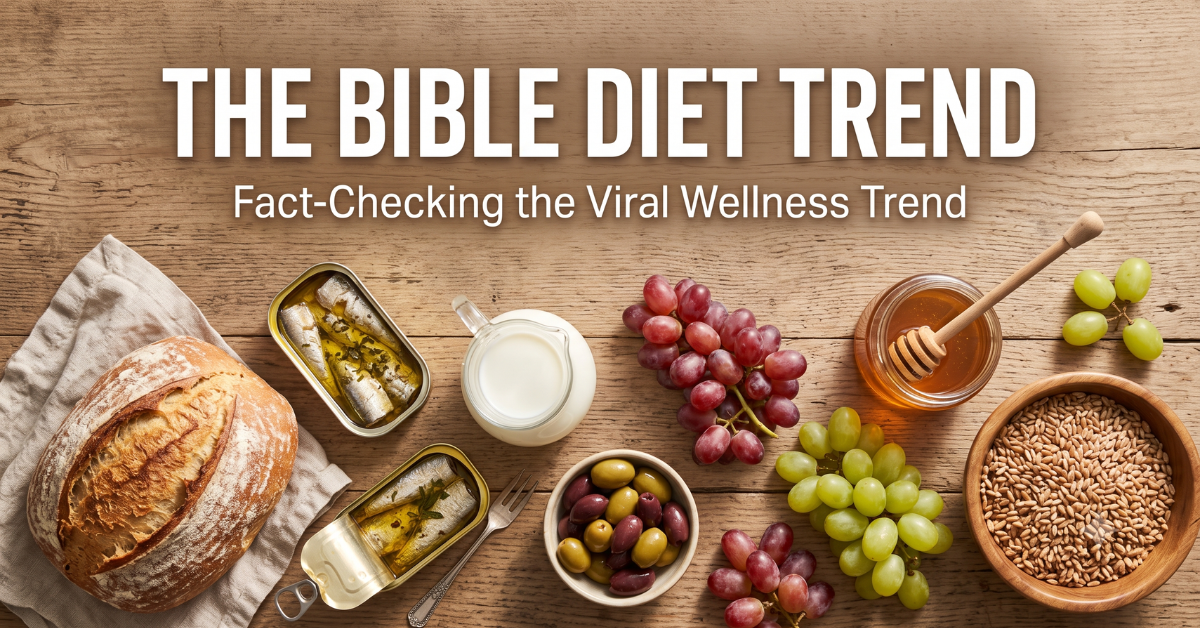
At its core, the Bible Diet is an eating pattern built around foods referenced throughout Scripture — think whole grains, legumes, fresh fruit, vegetables, olive oil, fish, honey, and occasionally unprocessed dairy. Some versions of the diet also incorporate periodic fasting, echoing practices described in various biblical texts. The appeal is straightforward: eat the way ancient peoples ate, before industrial food processing, seed oils, and ultra-refined carbohydrates entered the picture. Stripped of its religious framing for a moment, this actually overlaps quite a bit with dietary patterns that nutrition researchers already take seriously — most notably the Mediterranean-style eating pattern, which has decades of observational and clinical research behind it. Whole grains, legumes, olive oil, and fish are staples in both. That overlap is a big part of why the Bible Diet doesn’t sound absurd on its face, even to people with no religious motivation for trying it.
Why Is Everyone Suddenly Talking About It?
Three forces are converging to push this trend into the mainstream. First, there’s a broader cultural fatigue with ultra-processed, industrially engineered food — a fatigue that shows up across seemingly unrelated trends, from “seed oil skepticism” to the clean-eating resurgence. Second, faith-based wellness content has found real traction on social platforms, where creators blending spirituality with lifestyle advice tend to build unusually loyal, engaged audiences. Third, and perhaps most simply: it’s a strong content hook. “Eat like it’s 2,000 years ago” is the kind of premise that stops a scroll.

None of that tells us whether the diet itself is healthy — it just explains the momentum. Popularity and evidence are two different currencies, and it’s worth spending a little time exchanging one for the other before you overhaul your pantry.
The Core Foods, Fact-Checked One by One
This is where the Bible Diet earns either credibility or skepticism. Let’s take the most commonly cited foods and hold each one up against what nutrition science actually says.
Sardines: The Trend’s Biggest Nutritional Win
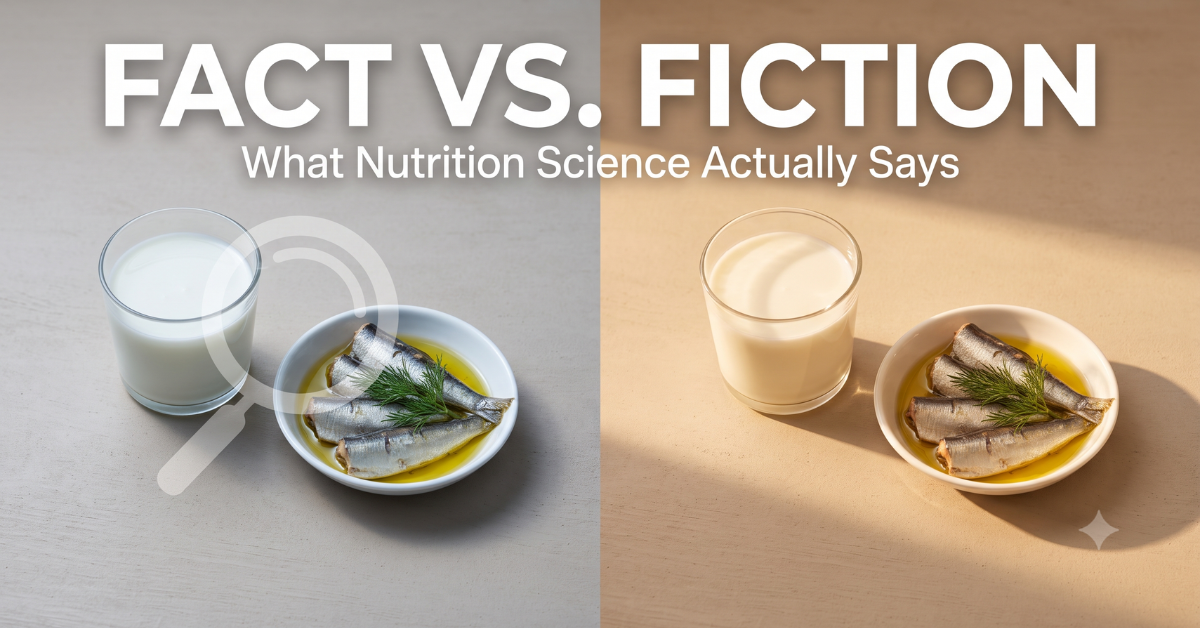
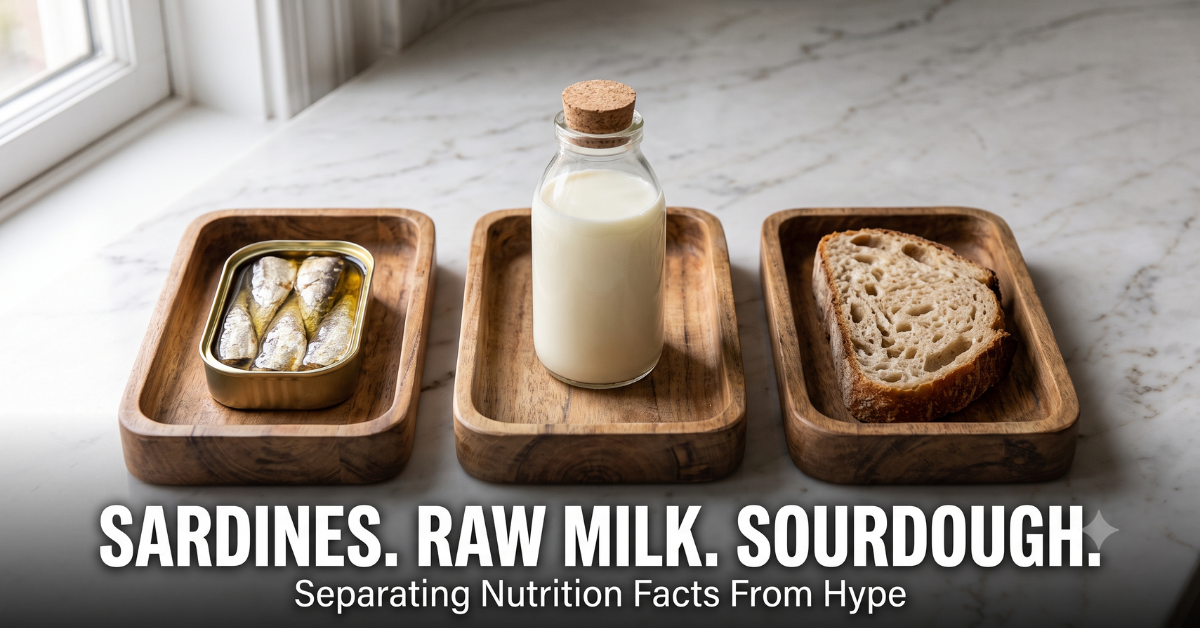
If there’s one food in this entire trend that holds up under real scrutiny, it’s sardines. Small, oily fish like sardines are genuinely excellent sources of omega-3 fatty acids (EPA and DHA), which are consistently linked in the research literature to cardiovascular and cognitive benefits. They’re also rich in calcium (especially when eaten with the bones), vitamin D, and B12. Unlike many larger fish, sardines sit low on the food chain, which means they carry a comparatively small mercury burden — a genuine advantage for anyone eating fish regularly.
If you’re intrigued by the sardine angle but not ready to commit to a tin a day, a high-quality fish oil supplement is a practical way to capture similar omega-3 benefits without changing your entire diet. California Gold Nutrition’s Omega-3 Fish Oil is a widely trusted option worth considering if you want the benefit without the tin.
Raw Milk: Where the Trend Gets Riskier
This is the part of the Bible Diet that responsible health writers flag most consistently. Raw, unpasteurized milk is frequently promoted in this trend as being closer to “how milk was always consumed” and supposedly gentler on digestion. The problem is that pasteurization exists for a well-documented reason: it eliminates pathogens like Salmonella, E. coli, and Listeria that can otherwise cause serious illness. Public health authorities, including major food safety agencies, continue to advise against raw milk consumption specifically because the infection risk is real and disproportionately affects children, pregnant people, older adults, and anyone immunocompromised.
If your actual interest is in the fermented, gut-friendly dairy angle — rather than raw milk specifically — a targeted probiotic supplement offers similar digestive support with a far better safety profile. California Gold Nutrition’s LactoBif Probiotics deliver 30 billion CFU per capsule and are a much lower-risk way to support gut health.
Sourdough & Whole Grains: Solid Ground
Sourdough bread and whole grains are genuinely one of the trend’s more defensible pillars. The natural fermentation process in traditional sourdough breaks down some of the phytic acid found in wheat, which can modestly improve mineral absorption, and it tends to produce a lower glycemic response than many commercial white breads. Combined with the fiber, B vitamins, and minerals found in true whole grains, this part of the diet aligns closely with mainstream dietary guidance — no biblical framing required.
Want to bring an authentic, whole-grain sourdough practice into your own kitchen? A quality starter kit makes it far easier to get consistent, genuinely whole-grain results at home. Check out this top-rated sourdough starter kit on Amazon to begin baking your own.
Fasting: Powerful, But Not Casual
Many versions of the Bible Diet incorporate periods of fasting, inspired by fasting practices described throughout religious texts. Modern research on intermittent and extended fasting does show promising results for some people around metabolic markers, insulin sensitivity, and cellular repair processes. But fasting is also the single riskiest component of this entire trend if approached casually. Extended fasts can cause dangerous drops in blood sugar and electrolyte imbalances, and they are not appropriate for people with a history of disordered eating, diabetes, pregnancy, or several other conditions.
If you do fast under appropriate guidance, maintaining electrolyte balance is one of the most important — and most overlooked — safety steps. Trace Minerals Electrolyte Stamina tablets are a practical way to help maintain that balance during a fasting window.
Where the Science Gets Shaky
Beyond the individual foods, there are a few structural issues worth flagging. A number of the creators driving this trend openly acknowledge they have no formal training in nutrition science, yet frame highly specific health outcomes — improved skin, resolved mood disorders, dramatic weight loss — as direct, causal results of the diet. That’s a pattern worth being skeptical of in any wellness trend, biblical framing or not. Correlation gets marketed as causation constantly on social media, and personal anecdotes, however sincere, are not clinical evidence.
There’s also a risk of nutritional gaps if the diet is followed too rigidly. Cutting out entire modern food categories without a thoughtful substitution plan can lead to deficiencies in certain vitamins and minerals that weren’t as readily available — or as necessary — in ancient dietary contexts, given differences in food fortification, soil nutrient density, and life expectancy.
How to Borrow the Good Parts Without the Risk
You don’t need a religious motivation — or a raw milk supplier — to take something useful from this trend. Here’s a practical, lower-risk way to apply the strongest elements of the Bible Diet:
- Favor whole, minimally processed foods over ultra-processed alternatives whenever practical.
- Add small, oily fish like sardines to your weekly rotation for an evidence-backed omega-3 boost.
- Choose pasteurized dairy or fermented alternatives instead of raw milk to get gut-health benefits safely.
- Bake or buy genuine sourdough made with a long fermentation process, not just sourdough-flavored white bread.
- Approach fasting cautiously, ideally with guidance from a healthcare provider, and prioritize electrolyte support.
A Safer, Modern Way to Practice “Ancient Eating”
If the appeal of the Bible Diet is really about simplicity, whole foods, and a slower relationship with eating, there’s good news: you can capture almost all of that without adopting its riskiest elements. A well-rounded natural food kit — one that leans into the whole grains, legumes, and simple staples this trend celebrates — is a low-effort way to start. This curated whole-food essentials bundle on Amazon is a solid starting point if you’d rather ease into this style of eating than overhaul your kitchen overnight.
Ultimately, the most sustainable version of this trend isn’t about recreating an ancient diet with total historical accuracy — it’s about noticing which of its underlying principles (less processing, more whole foods, mindful eating rhythms) already have modern scientific backing, and building from there.
Final Thoughts
The Bible Diet is a fascinating example of how a wellness trend can be simultaneously right and risky. Its foundation — whole grains, legumes, fish, olive oil, fresh produce — genuinely mirrors dietary patterns that decades of nutrition research support. Its riskiest edges — raw milk, unsupervised extended fasting, and causal health claims from unqualified sources — deserve real caution.
As with most viral wellness trends, the smartest approach isn’t blind adoption or blanket dismissal. It’s selective, informed borrowing: take what nutrition science actually backs, leave what it doesn’t, and build a version of “ancient eating” that fits safely into modern life.
Stay dewy!
Bookmark WellbeingPrime.com for more evidence-based wellness guides.
💡 Frequently Asked Questions (FAQ)
Is the Bible Diet backed by scientific research?
Parts of it overlap significantly with well-researched eating patterns like the Mediterranean diet — whole grains, legumes, fish, and olive oil all have strong scientific support. Other elements, particularly raw milk consumption and extended fasting without guidance, carry documented risks that aren’t fully addressed by trend content.
Is raw milk actually dangerous?
Yes, meaningfully so. Public health agencies consistently advise against raw milk due to the risk of pathogens like Salmonella, E. coli, and Listeria, which pasteurization is specifically designed to eliminate. The risk is highest for children, pregnant individuals, older adults, and immunocompromised people.
Can I get the benefits of this diet without the risky parts?
Yes. Focusing on whole, minimally processed foods, adding oily fish like sardines, choosing pasteurized fermented dairy, and baking genuine long-fermentation sourdough captures most of the trend’s evidence-backed benefits with a much lower risk profile.
Is fasting as part of this diet safe for everyone?
No. Fasting can offer benefits for some people but is not appropriate for those with diabetes, a history of disordered eating, pregnancy, or several other conditions. Anyone considering fasting should consult a healthcare provider first and prioritize electrolyte balance.
Why is this trend spreading so quickly on social media?
A combination of factors: growing skepticism toward ultra-processed food, the strong engagement faith-based wellness content tends to generate on social platforms, and a compelling, scroll-stopping premise. Popularity doesn’t equal evidence, which is why fact-checking trends like this matters.
🌿 Weekly wellness, health & beauty insights — straight to your inbox
Free subscription · Cancel anytime