A WellbeingPrime Ultimate Authority Guide — where K-Beauty science meets the global minimalism movement.
The 2026 Beauty Secret: Why ‘Skinimalism’ is Taking Over Google Searches
A WellbeingPrime Ultimate Authority Guide — where K-Beauty science meets the global minimalism movement.
The Cultural Shift: Why Less Has Officially Become the New Luxury
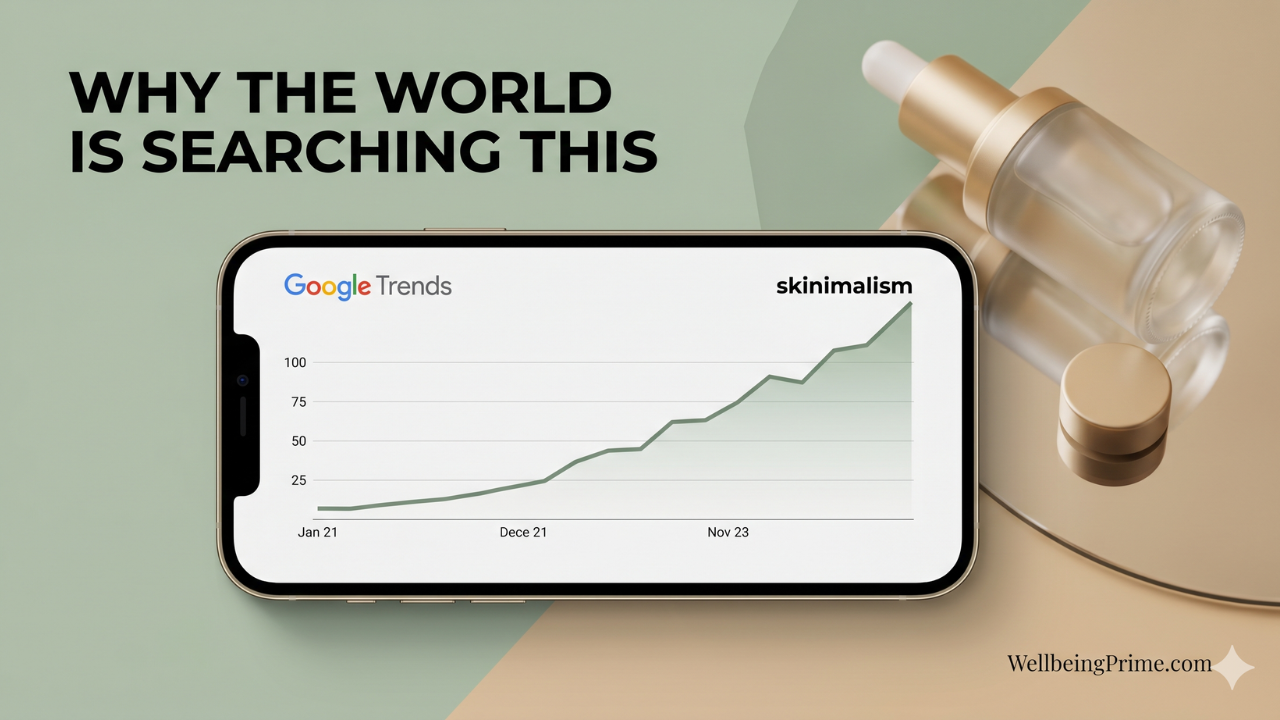
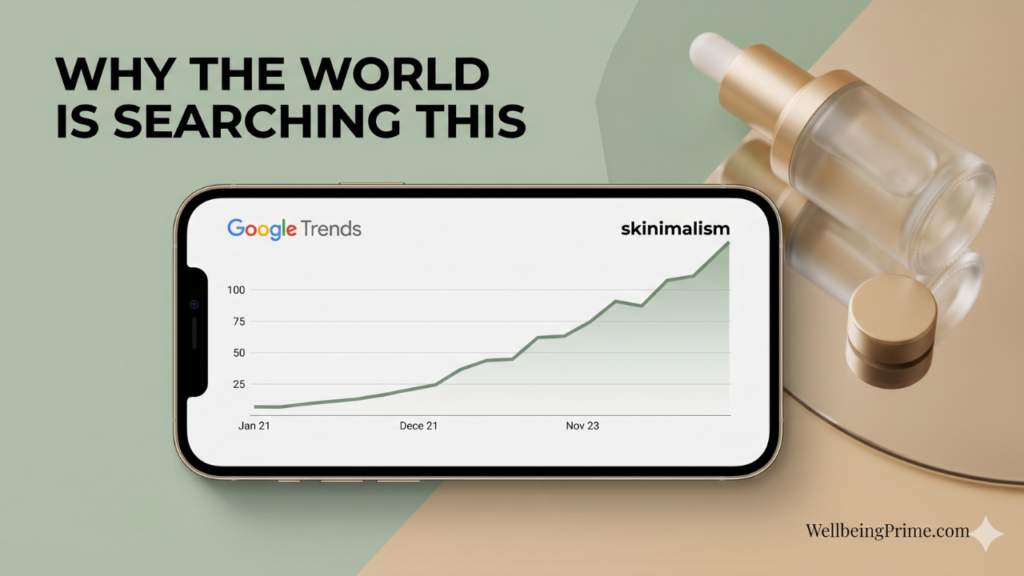
If you’ve refreshed your Google tab recently and watched “skinimalism” climb the trending charts, you’re not imagining things. The search term has quietly become one of the most-Googled beauty concepts of 2026 — and this time, it’s not a passing aesthetic. Skinimalism 2026 flips the script: fewer products, chosen with precision, deliver better long-term results. It is less about subtraction for its own sake and more about intelligent optimization. Runwaylive
For years, global beauty culture was obsessed with stacking. Ten steps. Twelve serums. The idea that more layers meant more results. But a new generation of dermatologists, formulators, and Seoul-based trend forecasters are making a clear case: your skin doesn’t need more — it needs smarter.
This is the heart of Skinimalism 2.0. It’s not “doing less skincare.” It’s doing sharper skincare.
What Exactly Is Skinimalism 2.0? A Dermatological Definition
Skinimalism, in its 2026 iteration, is the strategic reduction of a skincare routine to a curated set of high-efficacy, multifunctional formulations that prioritize skin barrier integrity, microbiome balance, and long-term resilience over short-term cosmetic fixes.
According to industry analysts, 63% of women globally opt for 3-product routines, driving demand for hybrid serums and tinted moisturizers Concept4. That statistic alone captures the cultural pivot — from maximalist cabinets to edited essentials.
And the Vogue Scandinavia editorial team put it most succinctly: “Skinimalism is a movement of using less steps but smarter skincare formulations. People are looking to products that protect the skin microbiome, reduce inflammation and support long-term skin resilience.” Vogue Scandinavia
In other words, Skinimalism is no longer about minimalist aesthetics. It’s about biological minimalism — respecting the skin as a living, adaptive organ.
Why 2026? The Perfect Storm Behind the Google Spike
Post-Maximalism Fatigue
Consumers overwhelmed by SKU overload are actively seeking relief. Brands have admitted the discovery-fatigue problem themselves, with industry leaders noting that the constant product churn now “creates fatigue” rather than excitement.
The Barrier-Health Renaissance
The collapse of over-exfoliation culture — the acids, peels, retinoid-stacking, and aggressive resurfacing that dominated 2020–2023 — left many consumers with compromised barriers. Sensitive, reactive, and dehydrated skin became an epidemic. Skinimalism is the corrective arc.
AI-Driven Ingredient Literacy
Consumers are now using large language models to audit product labels in seconds. This transparency pressure favors short, clean, clinically substantiated INCI lists — the exact ethos of Skinimalism.
The Sustainability Equation
Fewer products equal less packaging, less water consumption during manufacturing, and less cross-border shipping. Skinimalism aligns perfectly with the mono-material packaging movement now dominating 2026 beauty design.
The Science: How Fewer Products Actually Perform Better
Skin Barrier Biology 101
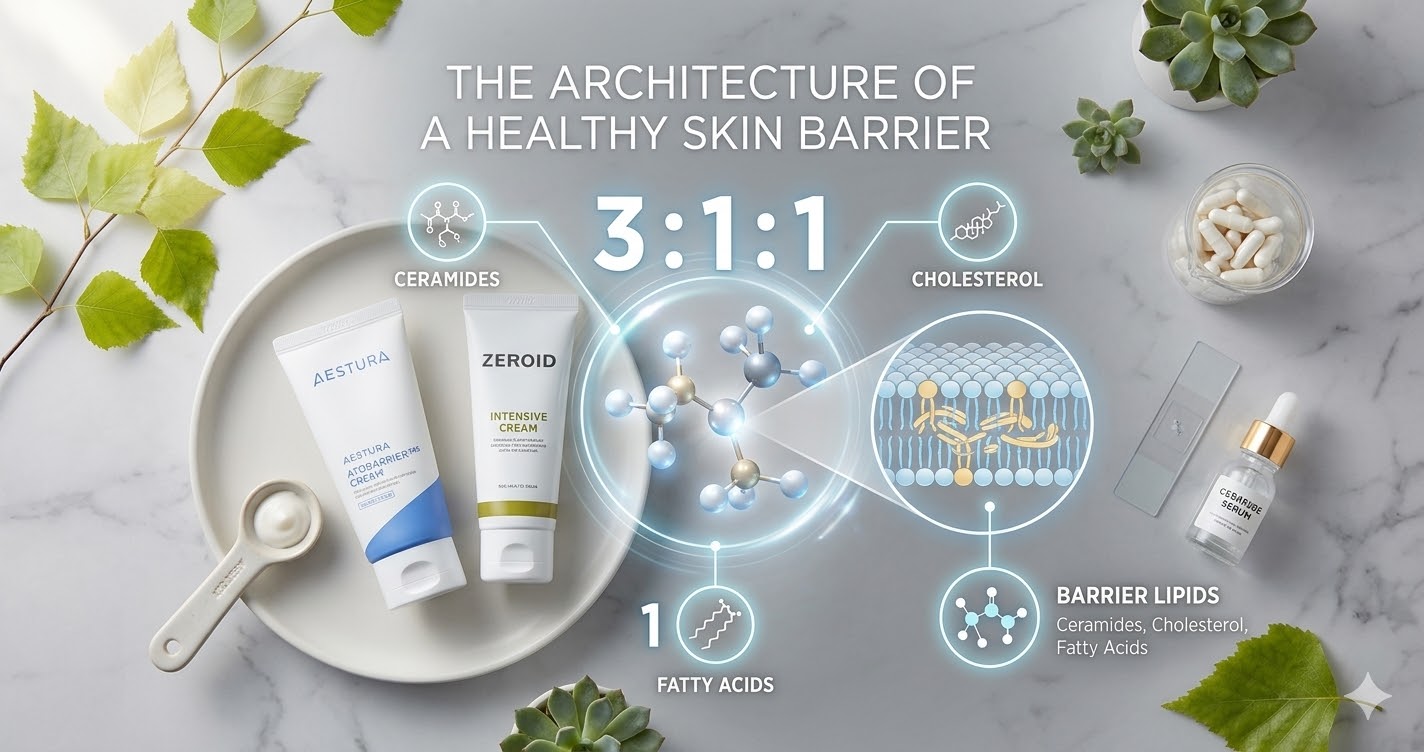
Your stratum corneum — the outermost layer of your skin — is built from corneocytes (skin cells) embedded in a lipid matrix of ceramides, cholesterol, and free fatty acids in a roughly 1:1:1 ratio. Every time you layer an active, a surfactant, or a fragrance-heavy formula, you’re introducing variables that can disturb this matrix.
Fewer products = fewer variables = lower cumulative irritation load.
The Microbiome Factor
Your skin hosts a microbial community of over 1,000 bacterial species that regulate inflammation, pH, and barrier repair. Excessive cleansing, over-use of antibacterial actives, and layered preservative systems can dysregulate this ecosystem. Skinimalism’s pared-back approach preserves microbial diversity, which correlates strongly with visible radiance and resilience.
The “Glass Skin” Connection
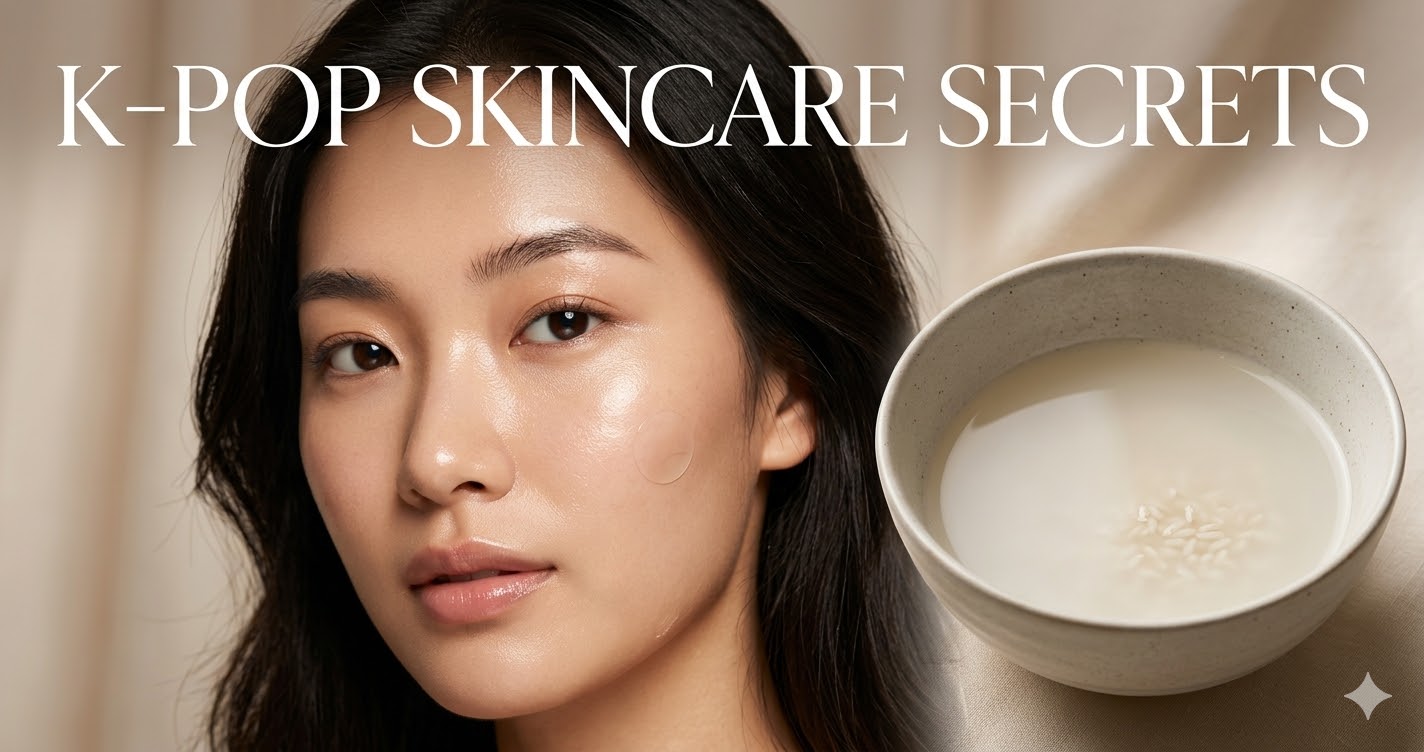
Seoul’s original Glass Skin philosophy — the hallmark of K-Beauty — was never actually about doing more. It was about cultivating translucent, well-hydrated, evenly textured skin through consistency, not complexity. Skinimalism 2026 is, in many ways, K-Beauty’s quiet revenge: a return to its foundational principle that healthy skin is the luxury, not the mask over it.
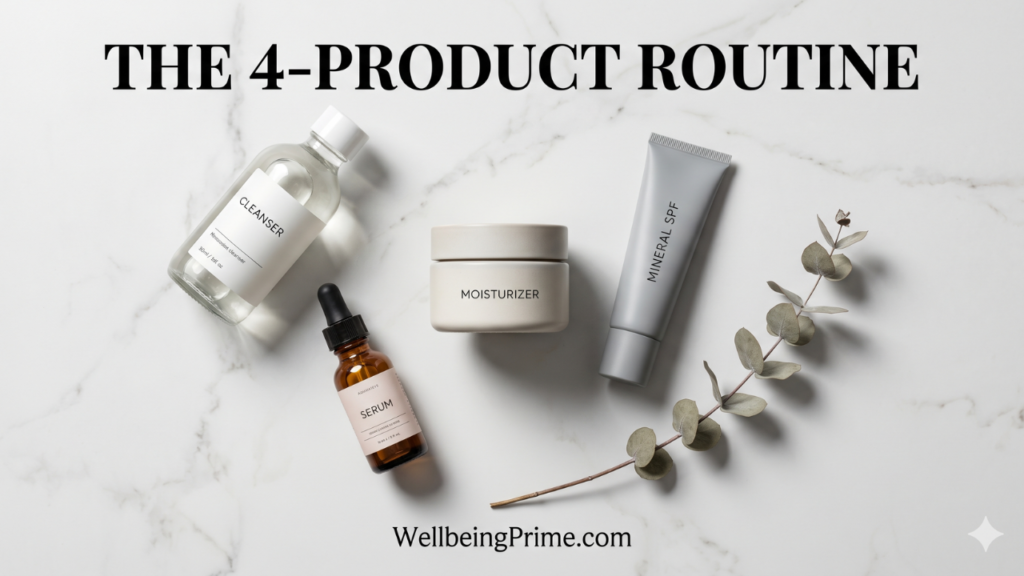
The Skinimalist Core Routine: 4 Steps That Actually Do the Work
Forget the 10-step ritual. The modern E-E-A-T-aligned routine looks like this:
Step 1 — The Gentle Cleanser
Choose a low-pH (5.0–5.5), surfactant-balanced formulation. Avoid sulfates (SLS/SLES) and opt for amino-acid-based cleansers or glycolipid surfactants. Look for supporting actives like panthenol, glycerin, or Centella asiatica.
Step 2 — The Hero Serum
This is where your routine’s intelligence lives. Pick one serum that solves your primary concern:
- Niacinamide 4–5% for barrier support, tone, and pore refinement
- Beta-glucan — searches for the ingredient have grown by 51% over the past year, establishing it as the barrier repair hero of 2026 Cosmetics Business
- Peptide complexes (copper peptides, palmitoyl tripeptide-1) for collagen support
- Azelaic acid 10% for redness, texture, and pigment
- Hyaluronic acid + polyglutamic acid for hydration layering in one step
K-Beauty Hero Serum
COSRX Snail Mucin 96% Power Repairing Essence
The ultimate one-serum solution for barrier repair — hydration, texture, and resilience in a single step. Seoul’s best-kept secret, now Amazon’s #1 K-Beauty pick.
⚠️ As an Amazon Associate, I earn from qualifying purchases.
Step 3 — The Multi-Tasking Moisturizer
A ceramide-rich, biomimetic moisturizer with barrier-supporting cholesterol and fatty acids. Bonus points for formulas that layer in antioxidants (vitamin E, ferulic acid) or mild humectants like glycerin and squalane.
Ceramide-Rich Moisturizer
CeraVe Moisturizing Cream
Three essential ceramides + hyaluronic acid in one biomimetic formula. The gold standard for barrier-first skinimalist routines.
⚠️ As an Amazon Associate, I earn from qualifying purchases.
Step 4 — Broad-Spectrum SPF (Non-Negotiable)
Mineral or hybrid SPF 30+, ideally with added antioxidants. This single product prevents more aging than any “anti-aging” cream you’ll ever buy.
Optional evening add-ons: a gentle retinoid 2–3 times weekly (retinal or encapsulated retinol) and a weekly exfoliating toner with PHA (gluconolactone, lactobionic acid) for sensitive barriers.
That’s it. Four to six products. No ampoules-over-essences-over-serums architecture required.
Non-Negotiable SPF
EltaMD UV Clear Broad-Spectrum SPF 46
Dermatologist-recommended. Antioxidant-rich. The one product that prevents more aging than any anti-aging cream you’ll ever buy.
⚠️ As an Amazon Associate, I earn from qualifying purchases.
Hybrid Heroes: The 2026 Product Categories Leading Skinimalism
The industry is responding with a new generation of multi-functional formulations that compress three steps into one:
Tinted serums — Light coverage + niacinamide + SPF in a single vehicle Serum-infused sunscreens — Antioxidant protection layered into daily photoprotection Barrier balms with peptides — Moisturizer, lip balm, and targeted treatment in one Cleansing balms with post-biotics — Makeup removal plus microbiome support Skin tints with ceramides — Glow, coverage, and barrier repair simultaneously
This convergence of skincare and cosmetics — sometimes called the “skincare-makeup hybrid” category — is the commercial engine driving Skinimalism’s mainstream adoption.
Who Skinimalism 2.0 Works Best For (And Common Mistakes to Avoid)
Skinimalism isn’t a one-size-fits-all prescription. It’s particularly powerful for:
- Reactive and sensitized skin recovering from over-exfoliation
- Mature skin prioritizing barrier health over aggressive resurfacing
- Acne-prone skin where ingredient-stacking has worsened inflammation
- Travelers and minimalist lifestyles needing efficient, packable routines
Common missteps to sidestep:
- “Skinimalism” ≠ skipping sunscreen. SPF is the one step you never edit out.
- Don’t over-concentrate a single “hero.” A 20% vitamin C serum isn’t automatically better than a 10% formulation — it’s often just more irritating.
- Simplification doesn’t mean neglect. Consistency still matters more than complexity.
The Global Market Signal: Why Brands Are Pivoting Now
The Skinimalism wave isn’t just consumer-led. It’s reshaping how brands formulate, package, and market. In early 2026, Seoul-based trend agencies reported that R&D teams are deprioritizing new SKU launches in favor of condensing multi-product lines into fewer, higher-performance heroes.
The signal is unmistakable: functional beauty has officially replaced aspirational beauty.
Final Thoughts: Skinimalism as a Long-Term Mindset
The most compelling part of Skinimalism 2026 isn’t what it removes — it’s what it protects. Your barrier. Your microbiome. Your time. Your wallet. Your attention. In an era of constant beauty noise, the radical act is clarity: choosing the four products that genuinely work for your skin and dismissing everything else.
This is what Seoul dermatologists have quietly preached for a decade. It’s what global trend forecasters are finally amplifying. And it’s why “skinimalism” is taking over Google searches in 2026.
Less, chosen well, is the new more.
Stay dewy! 🌿
For weekly deep-dives into K-Beauty science, barrier-first routines, and trend-backed product edits, subscribe to the [Dewyfile] YouTube channel — where we translate Seoul’s latest skincare philosophy into actionable global routines.
💡 Frequently Asked Questions (FAQ)
Q1: What’s the difference between original skinimalism and “Skinimalism 2.0”?
A: The original skinimalism movement (circa 2021) was primarily an aesthetic reaction against maximalist routines — fewer products, more natural-looking skin. Skinimalism 2.0, the 2026 iteration, is biologically driven rather than visually driven. It focuses on scientifically chosen multifunctional formulations that protect the skin microbiome, repair the barrier, and deliver measurable long-term resilience. It’s less about minimalism as a vibe and more about minimalism as clinical strategy.
Q2: What are the core ingredients dermatologists recommend for a skinimalist routine?
A: The five most clinically validated and multifunctional ingredients for Skinimalism 2.0 are: niacinamide (4–5%) for barrier and tone, beta-glucan as the barrier-repair breakthrough of 2026, ceramides for lipid matrix restoration, hyaluronic acid (combined with polyglutamic acid for amplified hydration), and mineral or hybrid SPF for photoprotection. Peptides and azelaic acid are excellent add-ons depending on concern. All five work additively without destabilizing the microbiome.
Q3: Can I get any side effects from switching to a skinimalist routine?
A: The transition is generally gentle, but there are two phases to be aware of. First, if you’re coming off an over-layered or over-exfoliated routine, expect a 2–4 week recalibration period where your skin may feel slightly drier or more reactive as the barrier rebuilds. Second, consolidating actives into fewer products means each product matters more — so ensuring compatibility with your skin type is critical. Patch-test new hero products for 48 hours, introduce retinoids gradually (2–3x weekly), and always pair acids or retinoids with a ceramide-rich moisturizer to minimize irritation.
🌿 Weekly wellness, health & beauty insights — straight to your inbox
Free subscription · Cancel anytime