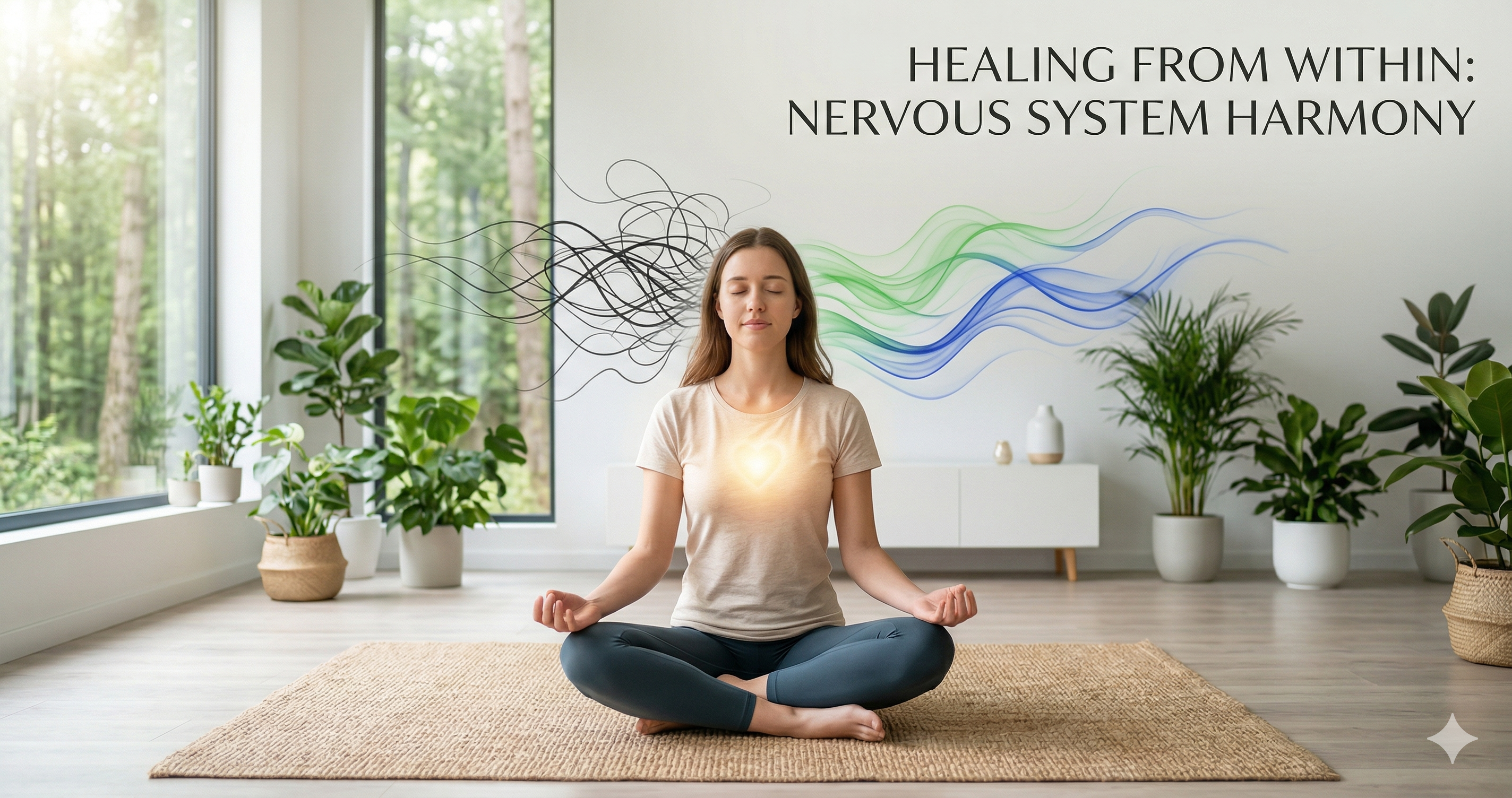
We are constantly bombarded with ‘perfect’ wellness routines, from three-hour morning rituals involving cold plunges and hour-long meditations to restrictive diets that make eating feel like a chore. For a long time, I tried to follow these prescriptive paths, only to find myself exhausted, overwhelmed, and disconnected from my own body’s signals. True wellness, I’ve discovered, isn’t about rigid adherence to someone else’s rules; it’s about cultivating gentle, consistent habits that honor your unique physiology and spirit. Living a life aligned with holistic wellbeing means listening inward rather than only looking outward. Here, I want to share 10 simple, sometimes unconventional, natural habits that have fundamentally upgraded my life, helping me cultivate an inner glow and a deep sense of balance.

Re-evaluating the ‘Perfect’ Morning Routine and Waking Naturally
The prevailing narrative in self-improvement often dictates that a successful life begins with an extensive, highly disciplined morning. I used to subscribe to this, feeling guilty if I didn’t dedicate the first two hours of my day to a laundry list of activities. What I found was that instead of feeling energized, I felt depleted before the actual day even started.
My first life-changing habit was actually simplifying my morning routine and embracing my natural circadian rhythm. I stopped forcing myself to wake up at 5:00 or 6:00 AM because a podcast told me it was optimal. Everyone’s biological clock is different. For me, waking up when it’s still dark feels jarring. I naturally feel my best when I wake between 8:00 and 9:00 AM, allowing natural light to signal my body to arise. Forcing an earlier time often left me relying on stress hormones and experiencing intense cravings for unhealthy foods later in the day.
Now, my routine is deliberately minimal. I wake up, often laying in bed for 10-15 minutes to allow my mind to gently meet the day. I might read a few pages of a low-intensity book to wake my eyes. Then it’s straightforward: go to the bathroom, brush my teeth, and head downstairs to make a simple breakfast. The one non-negotiable step? While I eat, I step outside into my backyard for 5 to 10 minutes. This minimal dose of morning light and fresh air provides far more genuine energy and alignment than an hour of forced meditation ever did. This simplicity leaves me ready to get up and go, rather than feeling overwhelmed.
The Art of Perimeter Shopping: Fueling Your Inner Glow
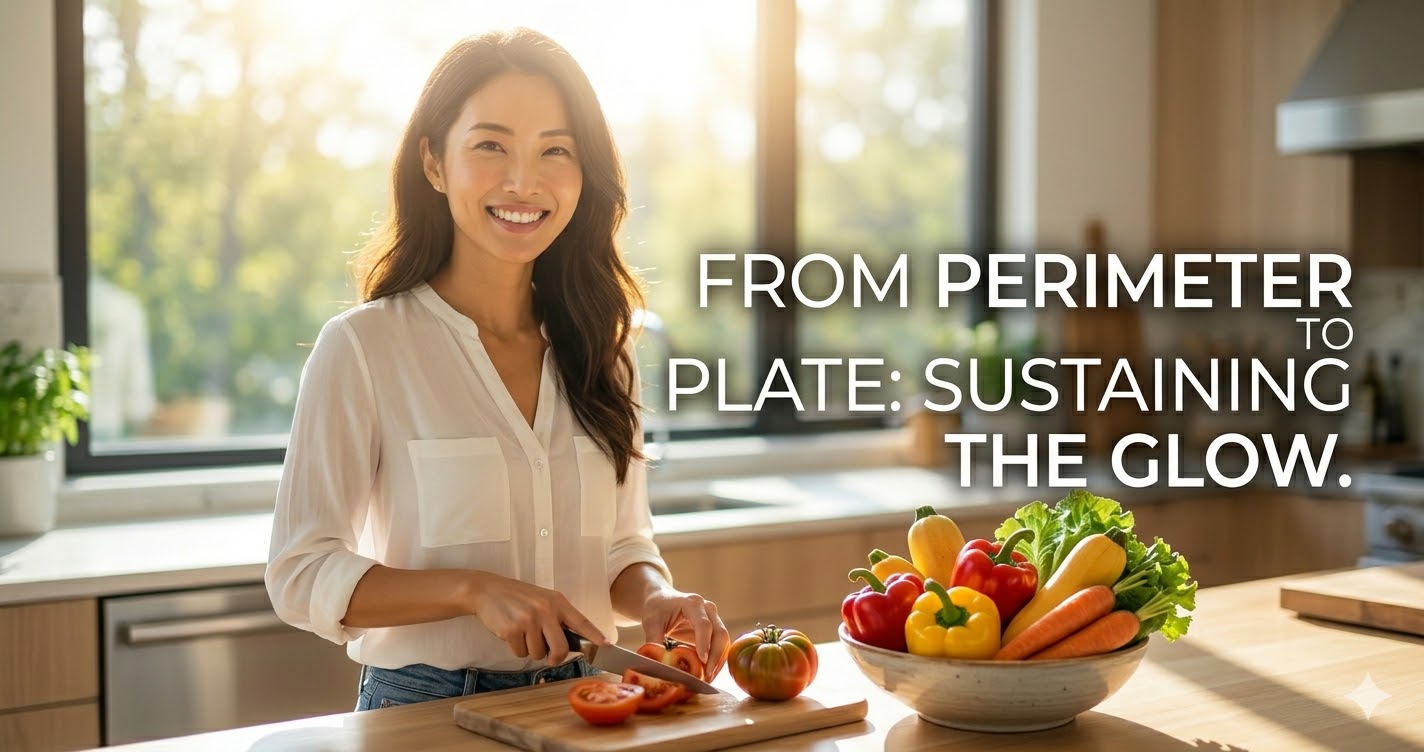
Diet is arguably the largest factor in our tangible wellbeing, but navigating the endless stream of nutritional advice can be paralyzing. The habit that simplified everything for me, while dramatically improving my health and skin, is focusing 80% of my grocery shopping on the outer perimeter of the store.
In most grocery stores, the Outer Perimeter is where the fresh, alive foods live: the vibrant fruits and vegetables, fresh fish, and natural, unadulterated ingredients that expire relatively quickly. These are foods that grew on the earth or lived on it—not foods heavily engineered in a manufacturing facility. While I still venture into the processed aisles for staples like oatmeal, jasmine rice, and perhaps almond butter, the overwhelming focus is on raw, whole ingredients.
Eating this way is a direct path to the sought-after “inner glow.” When you fuel your body with nutrient-dense, natural food that hasn’t been stripped of its vitality, you will see and feel the difference. My energy levels became more consistent, and my skin clearer and more vibrant. By focusing on the perimeter, you remove the overwhelming task of counting macros or adhering to a named diet, replacing it with a simple, sustainable rule: eat what is fresh and real.
In conjunction with what I eat, how I eat made a massive difference. Subtly slowing down, chewing my food properly, and intentionally savoring each meal improved my digestion significantly and allowed me to properly register fullness signals, preventing overeating. It transforms eating from a mechanical necessity into a mindful, romanticized ritual of self-care.
Radical Detox: Purifying Your Space, Products, and Mind
Our wellness is profoundly affected by what we digest—not just the food we eat, but the relationships we maintain, the environment we work in, and the products we apply to our bodies daily. The next habit that upgraded my life was cutting out toxicity in all its forms.
First, I had to recognize that optimal physical health is impossible if your mental and emotional environment is toxic. You could have the most perfect, whole-food diet and practice Pilates every single day, but if you are navigating a toxic relationship or an absolutely miserable job, your body will absorb that stress. This invisible toxicity manifests physically, affecting cortisol levels, inflammation, and overall vibrancy.
Second, I committed to a long-term goal of replacing toxic household and personal care products with natural, non-toxic alternatives. This can be overwhelmingly expensive and confusing if you try to change everything at once. I adopted a sustainable “replacement rule”: when one product runs low, I research a safer, holistic alternative to replace it. Over a few years, I naturally and affordability shifted everything from laundry detergent and cleaning supplies to skincare and makeup. Considering the cumulative effect of using daily chemicals for decades, this gradual shift is a powerful, protective habit for long-term vitality.
Cultivating Balance Through Gentle Movement
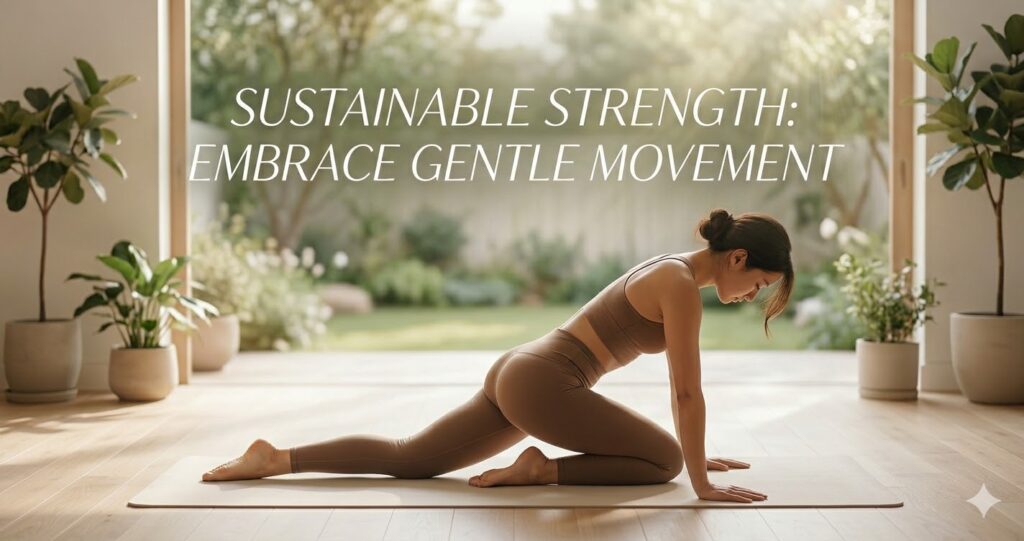
For years, I believed that for a workout to be effective, I needed to sweat intensely and feel physically depleted afterward. I would push myself through high-intensity bootcamps, only to find myself exhausted, weirdly disconnected from my body, and struggling with recovery. The shift that absolutely improved my wellbeing was prioritizing slower, gentler movement like Pilates and nature walks over intense cardio.
Once I reached my mid-20s, I realized my body was craving softer engagement. Listening to this internal cue transformed my relationship with exercise. I feel my best when the majority of my movement focuses on alignment, breath, and sustainable strength. Slower workouts like Pilates provide deep, functional strength without over-activating stress hormones like cortisol, which intense cardio can sometimes do.
This doesn’t mean I avoid intensity entirely—sometimes a good dance class where I just jump around for an hour is precisely what my spirit needs—but it is the exception, not the rule. My daily consistency comes from movement that feels like an act of love for my body, rather than a punishment.

Honoring the Divine Feminine and the Healing Mindset
The final, and perhaps most impactful, upgrade to my holistic wellness required two major mindset shifts.
First, I became intentional about sourcing wellness advice that respects female physiology. It’s a wild realization that up until recently, much of the health and wellness research was conducted almost exclusively on men. Women’s hormone cycles and experiences add complexity to clinical studies, so they were often left out, meaning general health recommendations were frequently biased. Women are not just “small men.” We need advice that honors our unique hormonal landscapes and life experiences. While I respect many male wellness experts, I always ensure I integrate resources and perspectives directly from women who understand the lived experience of our bodies.
Second, I adopted a radical trust in my body’s inherent wisdom. For a long time, I viewed symptoms—like a breakout, fatigue, or even autoimmune symptoms—as indicators that my body was attacking itself or failing me. The perspective that truly upgrades your life is realizing that your body is always working for you, not against you. A fever isn’t given to hurt you; it’s given to heal you. A zit is your body trying to eliminate something it doesn’t need. When I experienced autoimmune challenges, many said my body was self-attacking. I refuse that belief. I believe every symptom is a message, an invitation to slow down, adjust, or nourish differently. My body is an intentional, resourceful ally that is always striving for balance and healing. Approaching your physical experience with love and compassion rather than frustration is the ultimate wellness shift.
💡 Frequently Asked Questions (FAQ)
Q1: Is focusing only on the Outer Perimeter sufficient for a complete and balanced diet?
A1: Yes, the perimeter provides the foundation: fruits, vegetables, fresh proteins (like fish and some meats), and natural dairy. However, wellness isn’t rigid. I still utilize the inner aisles for highly beneficial, non-perishable whole foods like oatmeal, organic rice, lentils, and healthy fats (like avocado oil, nuts, and seed butters). The goal is minimizing processed products, not eliminating convenience. The perimeter ensures 80% of your diet is vital and natural, which is the most impactful nutritional shift you can make for efficacy and overall energy.
Q2: Will switching products one by one truly detox my body, or do I need a major purge?
A2: Absolutely. A gradual switch is highly effective and far more sustainable than an overwhelming (and expensive) overhaul. Toxicity is rarely about one single exposure; it is the cumulative load of using identical chemical agents day after day for 10, 20, or 30 years. By replacing each item with a natural alternative as it runs out, you consistently reduce your total toxic exposure. Within a year or two, you will have naturally purified your daily routine without stress or significant financial strain.
Q3: Can gentle movements like Pilates truly deliver ‘results’ compared to intense workouts?
A3: Yes, but you must redefine “results.” If results mean unsustainable muscle fatigue and elevated cortisol, gentle movement will not deliver that. However, if results mean sustainable, functional strength, improved posture, flexible resilience, and deeper mind-body connection without exhausting your system, then gentle movement is highly effective. It reduces the risk of injury and promotes consistency—which is the ultimate determinant of long-term wellness.
🌿 Weekly wellness, health & beauty insights — straight to your inbox
Free subscription · Cancel anytime