Living in California, I’ve seen firsthand how the relentless pursuit of “more”—more space, more upgrades, more convenience—often leads to a deep sense of burnout rather than true happiness. We live in a society where speed and consumption are celebrated, yet so many of us feel physically and financially drained. Contrast this with the quiet elegance found across the Pacific. In Japan, a country where physical space is exceptionally tight and efficiency is paramount, the people have turned simplicity into a profound art form.
They don’t just save money; they have designed an entire lifestyle around balance, gratitude, and deeply rooted intention. From the quiet power of mindful consumption to the daily ritual of homemade lunches, this philosophy shows us that true joy doesn’t stem from having more, but from making the absolute most of what we already have. It is a holistic approach to wellness that heals both the mind and the wallet. If you are seeking a way to live beautifully without the burden of overspending, the secrets lie in these timeless Eastern practices.
The Power of Mottainai: Cultivating a Mindset of Gratitude
If you want to understand how to manage your resources elegantly without feeling deprived, it all begins with one powerful concept: Mottainai. Roughly translated, it means “what a waste,” but its cultural weight goes far deeper than a simple exclamation. It is a holistic mindset, a lens through which to view the physical world.
Mottainai is fundamentally about gratitude—for the earth that grew your food, for the time it took to create a garment, and for the natural resources that sustain our daily lives. It operates on the idea that everything possesses inherent value if you treat it with genuine care.
How Mottainai Manifests in Daily Life
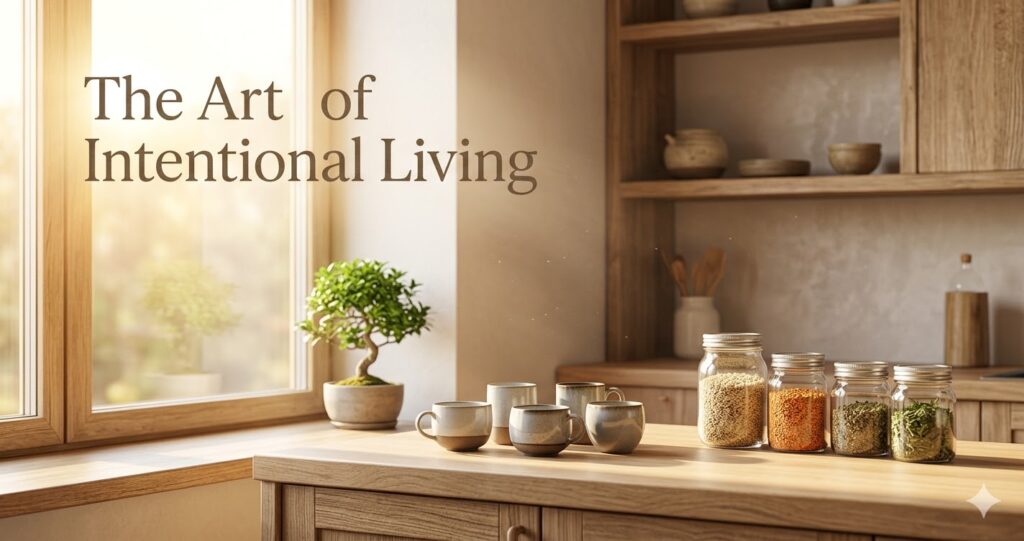
In daily practice, this mindfulness shows up in beautifully subtle ways. It is the act of washing and reusing beautiful glass jars to store pantry staples instead of buying new plastic containers. It is the quiet dignity of patching up a beloved piece of clothing rather than tossing it into a landfill. It is not about being cheap; it is about profound respect. Every item, every dollar, and every drop of water matters.
This idea goes back centuries, deeply rooted in Buddhist and Shinto traditions, which teach that everything in nature has a spirit. When resources were limited, farmers reused rice husks for fuel, and carpenters repurposed wood scraps. Today, this spirit has evolved into modern habits of sustainability that feel almost futuristic compared to the heavy wastefulness seen in many Western countries.
A Quiet Rebellion Against Disposable Culture
Walk into a mindful, traditional home, and you will rarely find visual noise or overconsumption. Every object serves a distinct purpose, and nothing is taken for granted. To embrace Mottainai in your own life, consider this actionable checklist:
- The 24-Hour Pause: Before throwing something away, wait 24 hours. Ask yourself if it can be repurposed, repaired, or composted.
- Embrace the “Ugly” Produce: Buy imperfect fruits and vegetables that might otherwise be discarded. They are just as nutritious and often cheaper.
- Repair Over Replace: Learn basic mending skills. A visibly mended sweater carries more character and history than a newly bought one.
By valuing what we already possess, we naturally curb our spending. In a world obsessed with acquiring more, Mottainai serves as a quiet, healing antidote.
The Bento Lifestyle: Nourishing the Body and Wallet
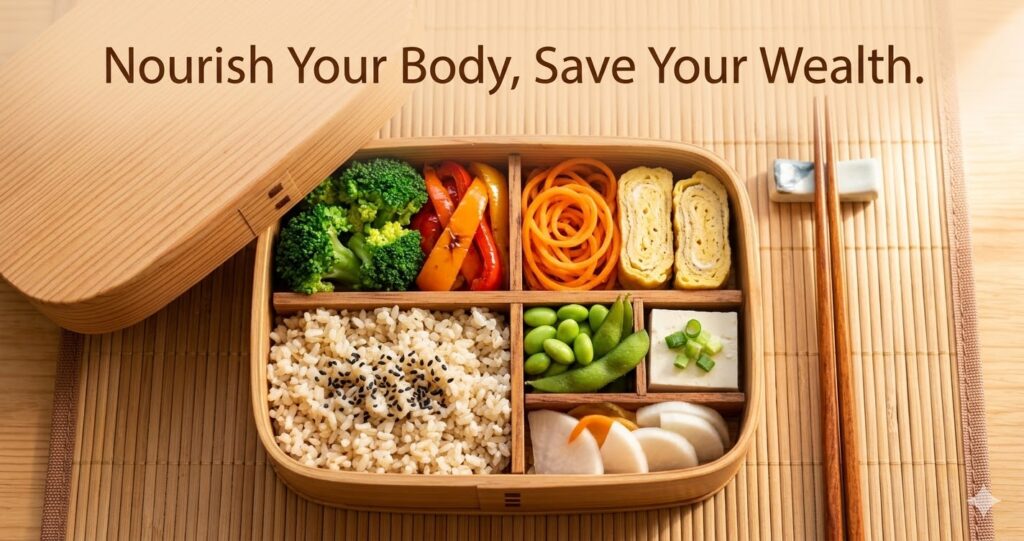
There is something uniquely centering and beautiful about a traditional Bento box. It is simple, vibrantly colorful, nutritionally balanced, and perfectly portioned. But behind that neat presentation is a profound lesson in holistic health and financial wellness. The Bento lifestyle is arguably one of the most underrated wellness habits we can adopt.
The True Cost of Convenience
At its core, the Bento lifestyle is about preparation and mindfulness. Millions of people choose to pack their own lunches daily, often with remarkable care and creativity. Financially, the savings are staggering. Buying lunch every day can easily cost you upwards of $15 to $20. Over a year, that is nearly $4,000 spent on meals that are often laden with hidden sodium and processed seed oils. By packing lunch at home, you spend a mere fraction of that amount while reclaiming total control over your health.
Nutrition as an Act of Self-Love
But what makes the Bento lifestyle so powerful isn’t just the money kept in your bank account; it is the culture of self-respect behind it. There is a deep, quiet pride in making something nourishing with your own hands.
The structure of a Bento perfectly reflects an ancient approach to bodily balance. Consider the dietary composition:
- Carbohydrates (Energy): High-quality grains like brown rice or quinoa.
- Proteins (Strength): Grilled fish, tofu, or lean meats.
- Vegetables (Vitality): Steamed greens, pickled radishes, and seasonal roots for gut health.
- A Touch of Sweetness (Joy): A slice of fresh fruit to naturally satisfy the palate.
Every single section has meaning. There is nothing excessive, and nothing missing. This portion control isn’t a restrictive diet; it is a philosophy of Hara Hachi Bu—eating until you are 80% full. For working adults, preparing a Bento is a small morning ritual of self-respect. It is a grounding pause in a chaotic day, a reminder that taking excellent care of yourself doesn’t need to be expensive or outsourced to a restaurant.
The 100-Yen Mindset: Redefining Value and Functionality
Walk into any major Japanese city, and you will find 100-yen shops on almost every corner. To a Westerner, they might look like standard dollar stores, but they are something entirely different. These spaces are a reflection of a national mindset that good design, functional longevity, and deep value do not require a luxury price tag.
Smart, Intentional Spending
The 100-yen mindset isn’t about buying cheap, disposable junk. It is about stretching your resources intentionally without ever sacrificing aesthetics or quality. Inside these stores, you will find perfectly designed kitchen tools, sleek organizational gear, and minimalist home decor. It is thoughtful simplicity.
This mindset radically shapes consumer behavior. Instead of impulsively buying an expensive, heavily marketed storage system, people start small. They test, adapt, and learn what truly adds value to their specific living space.
Expert Financial Wellness Tip: Apply the “Test Run” method. If you want to organize your pantry, do not immediately buy a $200 set of matching designer containers. Start with simple, affordable glass jars. Live with them for a month. If the system works for your daily flow, then you can decide if a premium upgrade is truly necessary. Most often, you’ll find the simple, affordable solution was perfect all along.
Minimalism with Purpose: Creating Space for What Matters
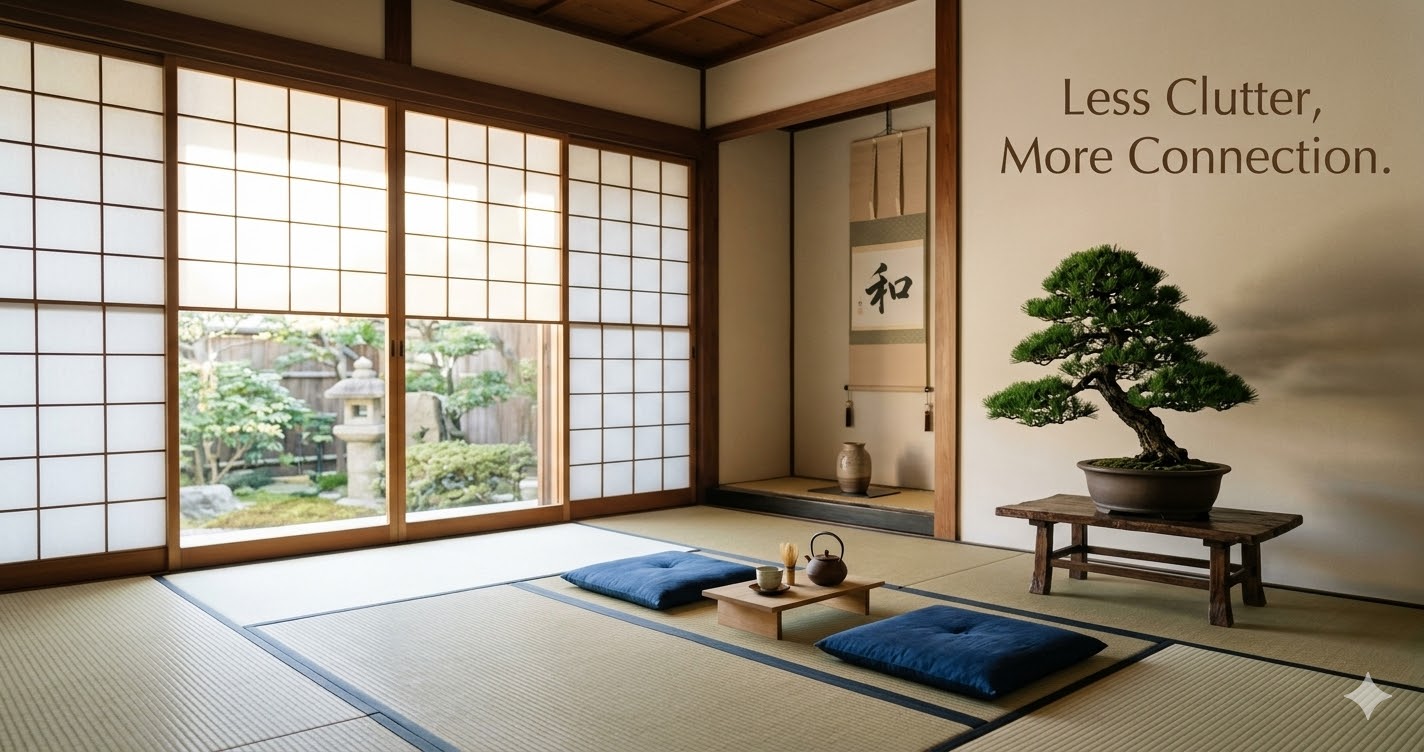
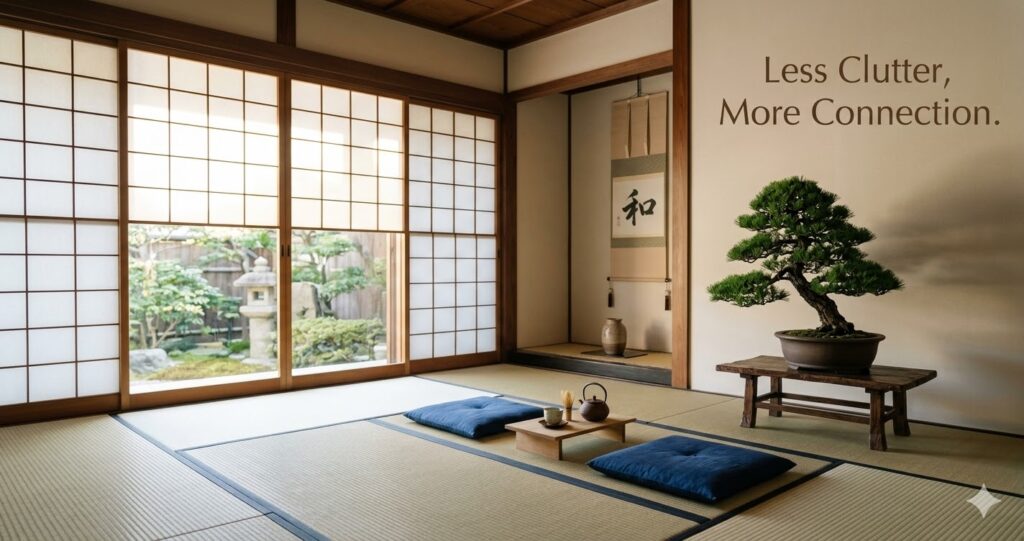
Minimalism has become a trendy buzzword globally, but in Eastern philosophies, it is not a design trend—it is a lifestyle built into the cultural DNA. Here, minimalism isn’t about stark white walls or uncomfortable furniture. It is about purpose. Every item in the home has a reason to exist.
The Connection Between Clutter and Cortisol
In densely populated cities where apartments are small and space is a premium, people have learned to fiercely prioritize what truly matters. You will rarely find visual clutter. Furniture is often multi-functional or tucked neatly away. The ultimate goal is not to own nothing, but to own exactly just enough.
This approach is deeply rooted in Wabi-Sabi, the appreciation of simplicity, nature, and imperfection. Space itself is viewed as beautiful when it is free from excess. Scientifically, this aligns perfectly with holistic health. Environmental psychology studies consistently show that physical clutter elevates cortisol (the stress hormone) levels, particularly in women. A clean, curated home directly equals a calm, focused mind.
When you buy fewer things, you automatically spend less money. But more importantly, you become highly deliberate. Quality takes precedence over quantity. A single, handcrafted ceramic tea mug replaces a dozen mismatched, mass-produced cups. This shift from impulsive buying to intentional curating not only saves wealth but brings a profound peace of mind. Happiness doesn’t come from the things that fill our homes, but from the open space we leave for life, relationships, and peace to flourish.
Community over Consumption: The Ultimate Form of Wealth
In a hyper-individualistic society, happiness is often measured by what we own privately: our own cars, our own large backyards, our own heavily equipped home gyms. However, the Japanese way quietly proves that community often provides a vastly richer life than private consumption ever could.
Sharing Resources, Multiplying Joy
The concept is beautifully simple: when people share, support, and look out for one another, everyone individually needs less. This is evident in traditional public bathhouses (Sento), community gardens, and shared neighborhood spaces. These environments give people access to restorative experiences without the burden of individual ownership. Why buy and maintain an expensive sauna when you can soak with your neighbors in a shared, community-supported space?
This community-first mindset also shapes how people handle material goods. Instead of always buying new, mindful communities embrace the exchange of goods. Passing along a perfectly good rice cooker, a bicycle, or a set of dishes is not seen as a sign of financial struggle; it is seen as deeply sensible and environmentally responsible.
Social Wealth You Cannot Buy
When disasters strike—whether natural or personal—communities that are connected respond instantly because they care for one another. That collective resilience means less reliance on expensive outside help and a deeper sense of emotional security. By focusing on shared experiences rather than isolating ourselves with private possessions, we save money effortlessly. There is less pressure to keep up with consumer trends and more fulfillment found in simple human connection. This is a form of social wealth that no amount of money in the bank can replicate.
Embracing True Abundance
The philosophy is clear: living well does not always mean living large. Through mindful daily habits, an appreciation for the food we eat, and a deep respect for our physical spaces and communities, we can create a lifestyle where simplicity and deep satisfaction walk hand in hand.
It is never about deprivation. It is entirely about appreciation. Every packed lunch, every repurposed item, and every moment spent in a shared space reflects a quiet, grounding wisdom. Spend less, waste less, and live with beautiful purpose. When you finally stop trying to own everything, you free up the mental space and financial resources to value what truly matters. And maybe, just maybe, that is the truest form of holistic wealth.
Would you like me to suggest some easy, natural recipes to help you start your own mindful “Bento Lifestyle” this week?