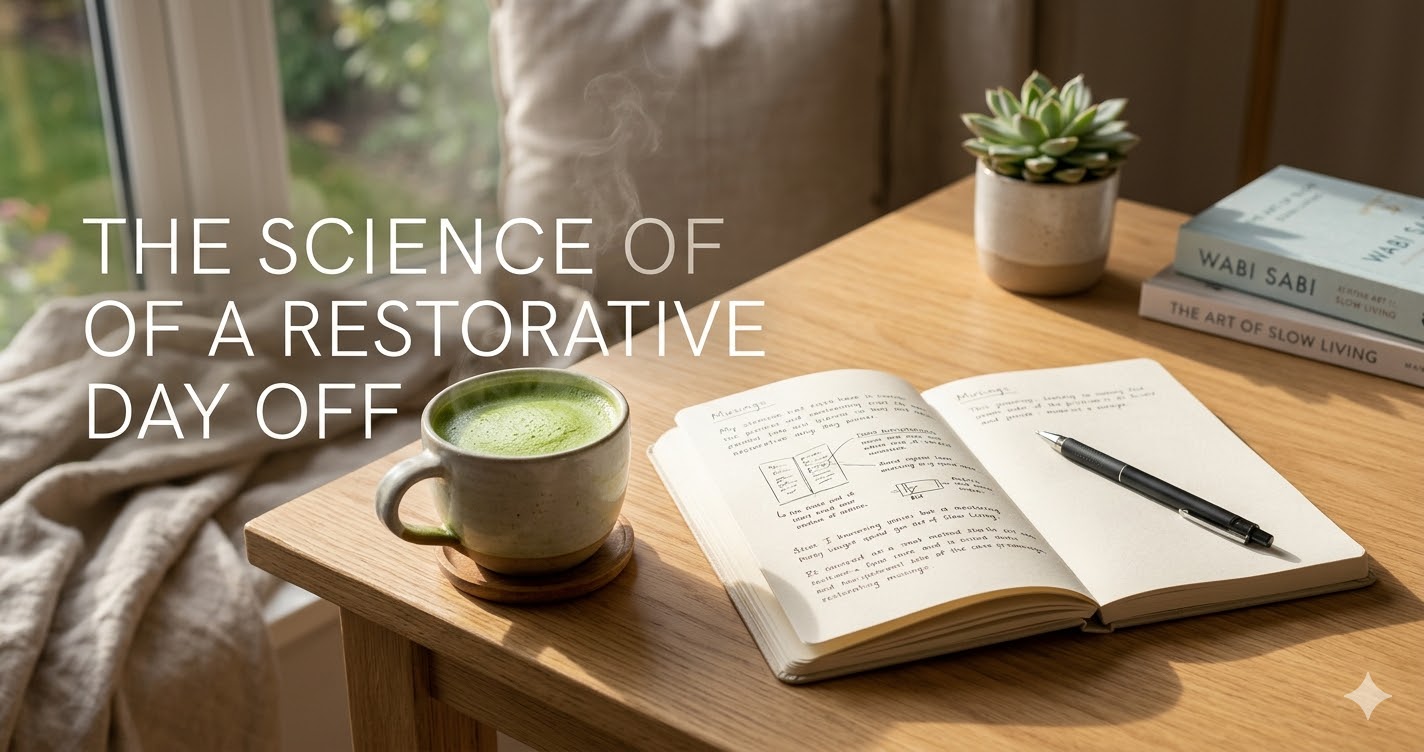

Living in California, I’ve seen firsthand how the relentless pace of modern life can leave us feeling perpetually drained, even on our supposed days of rest. We often blink, and suddenly our precious weekend is over, consumed by errands, digital distractions, and a lingering sense of exhaustion. You have all the potential to create the life you desire, but without intentional, grounding habits, achieving that holistic balance feels virtually impossible.
Becoming the best version of yourself—the one who feels energized, centered, and deeply connected to your inner peace—doesn’t happen by accident. It is the result of small, daily habits rooted in both ancient holistic wisdom and modern neuroscience. Today, we are exploring a transformative, science-backed routine designed to help you stop merely surviving and start truly thriving.
The Psychology of Intentional Rest: Decluttering the Mind
What if you didn’t have to spend your free time scrambling to catch up on endless to-do lists, only to end the day feeling unaccomplished? Lingering overwhelm is a common trap, and without structure, time slips through our fingers. The foundation of a restorative day off begins with clearing mental clutter.
The Brain Dump and Cognitive Relief
Before diving into relaxation, it is vital to release the psychological weight of the week. Research in cognitive psychology shows that externalizing our thoughts significantly reduces mental load and decision fatigue. By simply journaling every task, worry, and fleeting thought, you allow your brain to relax. Think of it as clearing the cache on your laptop to free up processing power.
The Eisenhower Matrix for Holistic Planning
Once your mind is emptied onto paper, organize those thoughts using the Eisenhower Matrix. This method divides tasks into four distinct quadrants:
- Urgent and Important: Needs immediate attention.
- Important but Not Urgent: Long-term goals and self-care.
- Urgent but Not Important: Distractions and delegations.
- Not Important and Not Urgent: Time-wasters.
Studies indicate that utilizing structured planning tools can reduce decision fatigue by up to 30%. By intentionally deciding what truly matters, your day off transforms from chaotic to purposefully serene.
Holistic Action Step: Dedicate 15 minutes every morning to a brain dump. Sip hot water with lemon, breathe deeply, and write without judgment.

Awakening the Body: Movement as “Brain Juice”
When you are exhausted from a long workweek, exercise might be the last thing on your mind. However, the truth is, you do not have the time not to move your body. Movement is not just about physical fitness; it is a profound act of mental nourishment.
Understanding BDNF and Neuroplasticity
Scientific research demonstrates that exercise significantly boosts cognitive function by increasing the release of Brain-Derived Neurotrophic Factor (BDNF). BDNF is a vital protein that supports the growth and survival of neurons. Elevated BDNF levels are associated with sharper focus, improved memory, and a more stable, elevated mood.
Furthermore, physical activity improves executive functioning, which governs planning and emotional regulation. A simple morning yoga flow, a brisk walk in nature, or a light run does not just wake up your muscles; it primes your brain for resilience and clarity.
Holistic Action Step: Incorporate at least 20 minutes of mindful movement into your morning. Focus on your breath and the sensation of your muscles stretching and strengthening.
Holistic Pampering: Nourishing Skin and Lymphatic Health
Self-care is deeply intertwined with how we view and respect ourselves. Dedicating a portion of your day off to a streamlined, intentional pampering routine can profoundly shift your energy.
The Magic of Dry Brushing
Begin with dry brushing your skin from your toes upward toward your heart. This ancient Ayurvedic practice not only exfoliates the skin but also stimulates blood flow and promotes lymphatic drainage, helping your body naturally detoxify.
Intentional Skincare Formulations
When washing your hair or applying skincare, opt for evidence-based, nourishing ingredients. For instance, incorporating a salicylic acid toner a few times a week can gently clarify the skin, while a high-quality hyaluronic acid moisturizer deeply hydrates, drawing moisture into the skin barrier.
Treat these moments not as chores, but as meditative rituals. As you massage oils or creams into your skin, practice gratitude for the body that carries you through the world.
Fueling Focus: Why Matcha Beats the Coffee Jitters
While coffee is a beloved morning ritual for many, choosing matcha on a day off might be the smartest holistic swap you can make.
The Synergistic Magic of L-Theanine
Matcha is not just about a caffeine boost; it is a nutritional powerhouse loaded with antioxidants and L-theanine. L-theanine is a unique amino acid that works synergistically with caffeine to promote a state of calm, focused alertness.
Clinical studies have shown that L-theanine crosses the blood-brain barrier, increasing alpha wave activity in the brain—which is associated with deep relaxation without drowsiness. It effectively mitigates the jitters and sudden energy crashes often associated with coffee. A warm cup of matcha allows you to maintain steady concentration while perfectly preserving a relaxed, weekend vibration.
Holistic Action Step: Whisk ceremonial grade matcha with hot (not boiling) water. Add a splash of oat or almond milk, and perhaps a dash of cinnamon. Drink it slowly, away from screens.
The Midday Reset: Mindfulness and Emotional Grounding
Even on a day off, intrusive thoughts or sudden spikes of anxiety can occur. The key to a holistic lifestyle is not avoiding stress entirely, but knowing how to reset your nervous system when it arises.

Combating the Midday Energy Dip
The moment you feel your attention waning or anxiety creeping in, do not just push through. Pause. Research confirms that even brief, 5-minute sessions of mindfulness can significantly lower cortisol (the primary stress hormone).
High cortisol impairs cognitive function and fuels feelings of overwhelm. Short bouts of meditation enhance activation in the prefrontal cortex, the area of the brain responsible for maintaining executive control and emotional balance.
Overcoming the Inner Critic
We often battle “imposter syndrome”—that heavy, visceral feeling that we are not worthy of our accomplishments or the peace we are cultivating. When these thoughts arise, use your midday reset to observe them without attachment. Ask yourself: Is this my true voice, or is this just fear? Rewire your internal dialogue to embrace growth. Remind yourself that you are inherently worthy of rest, success, and profound joy.
Neuroplasticity and Growth: Feeding the Mind
True holistic living encompasses the mind just as much as the body. Breaking the cycle of passive consumption—like mindlessly scrolling through social media or binge-watching reality TV—is crucial for mental vitality.
The Power of Continuous Learning
Engaging in continuous learning boosts cognitive flexibility and promotes neuroplasticity, essentially rewiring your brain to become more resilient and innovative. Whether it is taking an online course on creative confidence, reading a book on philosophy, or learning a new hands-on craft, challenging your brain in low-stress environments builds a healthier, more proactive mindset.
Holistic Action Step: Swap one hour of passive screen time for intentional learning. Nourish your intellect with topics that spark genuine curiosity and joy.
Evening Unwinding: Boundaries and Oxytocin
As the sun sets, how you close your day dictates the quality of your sleep and your energy for the week ahead.
Establishing Firm Boundaries
If you tackled your most important tasks earlier using the Eisenhower Matrix, you can confidently flip the switch in the evening. Establishing firm boundaries and consciously disengaging from work-related thoughts significantly reduces rumination. This psychological detachment regulates evening cortisol levels, paving the way for deep, restorative sleep.
Quality Time and the Love Hormone
The most profound step in any routine is connection. Whether it is sharing a meal with a partner, calling a dear friend, or simply cuddling a pet, ensure your evening includes genuine quality time.
Meaningful social interactions are biologically restorative. They reduce stress hormones and trigger the release of oxytocin, widely known as the “love hormone.” Oxytocin not only increases feelings of happiness and trust but also supports overall cognitive function and cardiovascular health.
Ultimately, what is the point of cultivating a beautiful life if you do not have the time and presence to share it with the people who matter most? By embracing this science-backed, holistic routine, you are not just managing your time—you are mastering your energy, honoring your body, and deeply nourishing your soul.
💡 자주 묻는 질문 (FAQ)
Q1: What is the optimal dosage of Matcha, and are there any side effects compared to coffee?
A1: A standard serving of matcha is about 1/2 to 1 teaspoon (approx. 1-2 grams) mixed with water or milk, yielding roughly 30-70mg of caffeine. Because matcha contains L-theanine, it slows the absorption of caffeine, providing a steady, calm focus rather than a sudden spike and crash. Side effects are rare but consuming too much on an empty stomach may cause mild nausea due to its high tannin content. It is a highly effective, gentle alternative to high-acid coffees.
Q2: How often should I practice dry brushing, and what are its exact holistic benefits?
A2: For optimal efficacy, dry brushing should be practiced 2 to 3 times a week before showering. The gentle friction naturally exfoliates dead skin cells, unclogs pores, and most importantly, stimulates the lymphatic system lying just beneath the skin. This aids the body in natural detoxification and improves overall blood circulation, leaving you feeling invigorated and your skin glowing.
Q3: Can a very short meditation session actually lower cortisol levels?
A3: Yes, absolutely. Clinical research indicates that just 5 to 10 minutes of focused mindfulness or deep breathing (such as box breathing or diaphragmatic breathing) can effectively interrupt the body’s fight-or-flight response. This short “dosage” of meditation is highly effective at lowering cortisol levels and heart rate, bringing the nervous system back into a parasympathetic (rest and digest) state.