As global wellness cultures coalesce, nowhere is the shift more striking than in Seoul, where a digitally native generation is looking back to ancestral healing practices. I’ve often found that true revitalization doesn’t always come from the latest synthetic breakthrough; sometimes, the most profound experiences are rooted deeply in tradition and nature. On a recent journey to rediscover hidden gems of well-being, I was amazed to find young Koreans enthusiastically engaging in practices once thought reserved only for older generations: specifically, the soothing warmth of moxibustion (쑥뜸) and the odd, yet deeply satisfying, embrace of rice enzyme spas.
The Revitalizing Heat of Korean Moxibustion (쑥뜸)
Traditional Korean Medicine (TKM) has long championed a holistic approach to health, emphasizing the free flow of Qi (life force) and blood circulation. Among its most revered therapies is moxibustion. For those unfamiliar, moxibustion, known in Korean as “Ssuk-ddeum” (쑥뜸), involves the burning of mugwort (쑥, ssuk). This specific herb, revered for its warming and cleansing properties, is processed until it reaches a cotton-like consistency (moxa), and then burned indirectly on or near specific acupuncture points or meridians on the body.
The goal isn’t to burn the skin; rather, the gentle, penetrative heat generated by the moxa is intended to warm the meridians, stimulate the flow of Qi, expel coldness and dampness from the body, and thereby boost the immune system and address various chronic conditions.
The Art of Burning Mugwort for Health
The specialized clinic I visited, tucked away in a quiet neighborhood of Seoul, immediately greeted me with a unique olfactory signature: a slightly smoky, herbal aroma of mugwort. While some might find it unusual at first, many, including myself, grow to find this scent deeply grounding and relaxing. The establishment specialized specifically in traditional Korean moxibustion therapy.
Here, they utilized various types of specialized tools. In some cases, the processed mugwort is placed on a slice of ginger or a mound of salt before being burned; in others, specialized ceramic or mechanical devices are used to ensure the heat remains steady and manageable.
My First Encounter with the Smoky Aroma
The atmosphere was designed for tranquility, with soft, ambient lighting and minimalist Korean aesthetic elements. Following my initial consultation, I was shown to a comfortable treatment room. My therapist explained that the process would warm my core, improve my circulation, and address the overall fatigue I was experiencing.
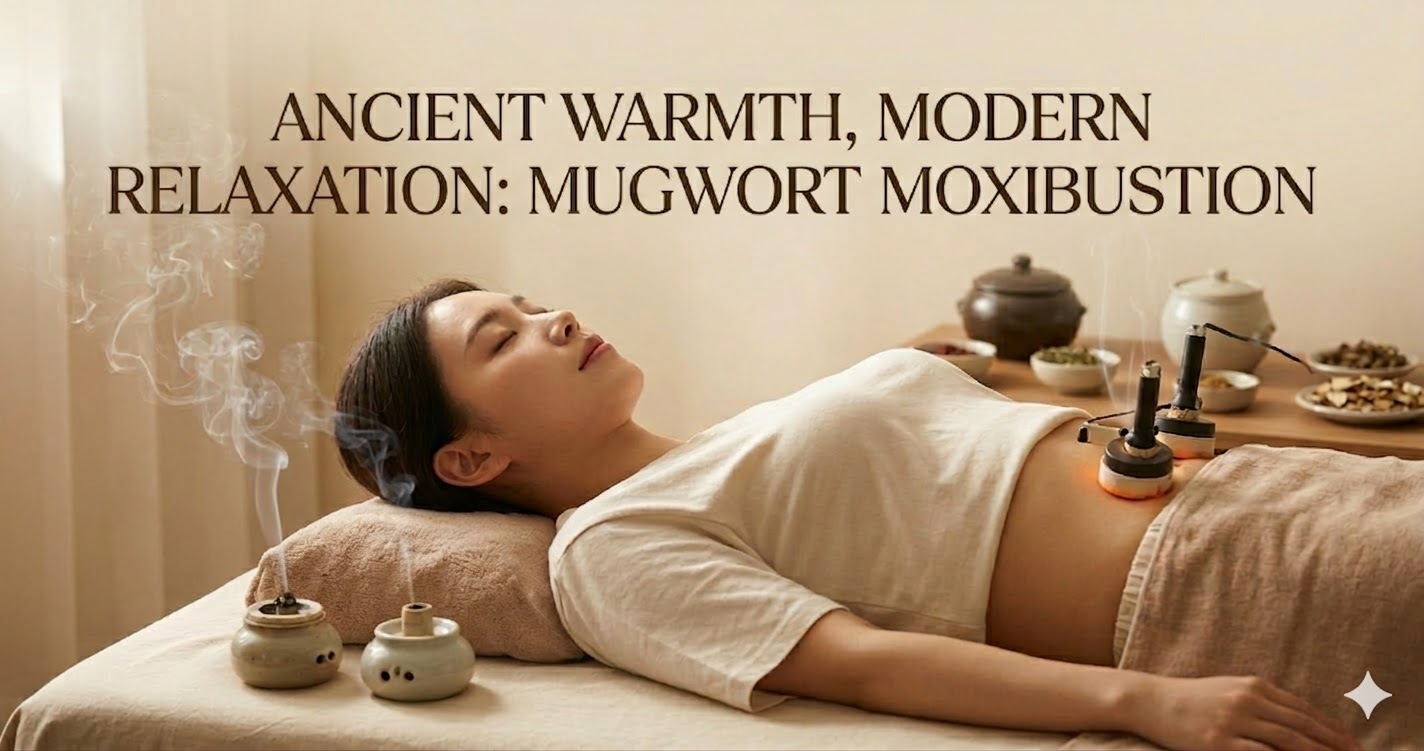
Lying down, I was first treated with indirect moxibustion. Small ceramic cones containing burning mugwort were placed gently on specific points, starting around my feet. The warmth was localized, a slow and steady heat that built up gradually, providing a comforting sensation without any sharpness.
How It Works: Warmth that Penetrates the Body and Boosts Immunity
The therapy continues with a fascinating technique called fumigation treatment (좌훈, jwa-hun). This involves sitting over a special chair under which the moxa burns, allowing the medicinal smoke to wrap around the body, focusing on the pelvic area and the back. In TKM, the abdomen and back are critical centers for energy flow, and this treatment is said to be exceptional for improving digestion, managing lower back fatigue, and even addressing specific gender-related health issues (it is very popular among women for menstrual health).
Finally, specialized mechanical moxibustion devices, like a modern, warming belt, were set on my stomach. These devices deliver a continuous, gentle warmth, allowing the mugwort’s essence to be absorbed through the skin. “My hands and feet tend to get cold and I often feel tired,” I recalled a fellow visitor, a young woman in her twenties, saying. “I heard mugwort moxibustion is good for your health, so I looked for a place near my home and decided to try it.” This shared sentiment highlights exactly how these ancient, nature-oriented solutions are filling a modern gap in self-care.
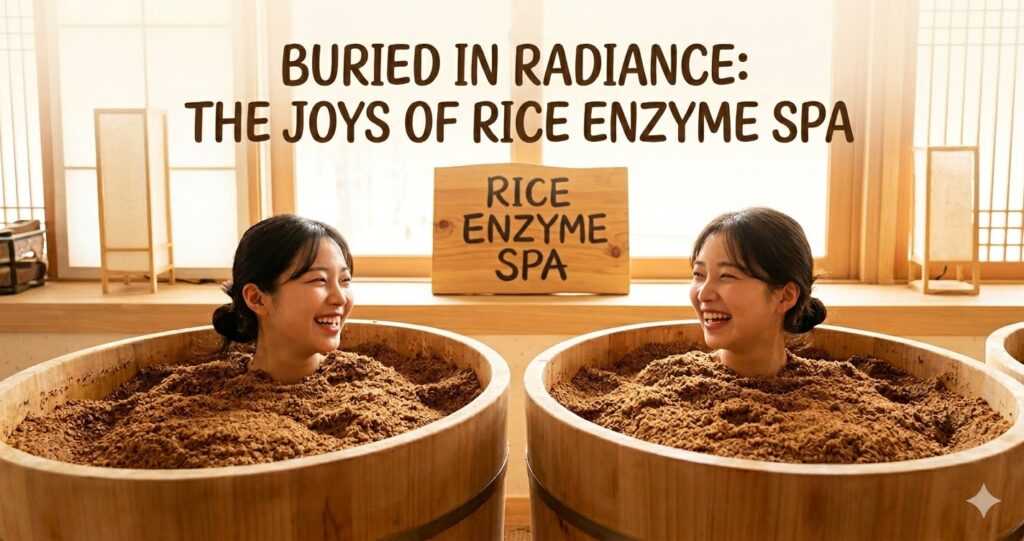
Burying into Radiance: The Unexpected Joys of Rice Enzyme Spas
Moving from the focused heat of moxibustion to my next discovery felt like stepping into a different kind of ancient science. Nearby, I found a traditional rice enzyme spa (쌀겨 효소 스파), which, as the script mentions, “once mainly enjoyed by older generations now offers another popular wellness experience for younger visitors.” This technique leverages the natural power of fermentation for a unique detoxifying bath.
The concept is as simple as it is effective: guests are buried from the neck down in a warm bath of fermented rice bran, mixed with specific enzymes. The heat isn’t generated by electricity or fire, but entirely from the natural, biochemical activity of fermentation occurring within the bran itself.
Ancient Skincare Meets Natural Fermentation
Rice bran (쌀겨, ssal-gyeoh) has been a cornerstone of Asian skincare for centuries. Rich in antioxidants, vitamins, and minerals, its skin-brightening and softening properties are well-documented (and are a key component of many high-end K-beauty products). However, the enzyme spa experience takes this benefits to the next level.
The fermentation process generates high temperatures (often reaching 140°F to 160°F or 60°C to 70°C, though you don’t feel it directly as ‘scalding’ heat), which activates enzymes that can break down toxins on and in the skin. The heat also promotes intense sweating, which is believed to detoxify the body, dramatically improve blood circulation, and, consequently, strengthen the immune system.
The Experience of the Fermented Rice Bran Bath
Stepping into the large wooden vat, the temperature difference was immediate. The fermented bran has an earthy, slightly nutty scent and a unique texture—granulated yet surprisingly soft. My therapist buried me in the warm mixture, leaving only my face exposed. Within minutes, I began to sweat profusely, a direct result of the natural enzymatic heat. It was a deep, purifying sweat unlike any I had experienced in a conventional sauna.
I lay there for about 15 minutes, feeling the warmth penetrate my muscles and joints. It was incredibly relaxing, and despite the oddity of being buried, I felt a sense of profound cleanliness as I eventual rose and showered off the granular residue.
Detoxification, Relaxation, and a K-Beauty Secret
The immediate result was astonishingly soft, radiant skin. It was as if I had received a full-body exfoliation and a deeply hydrating facial all at once. For younger customers who may have discovered this practice via platforms like social media (YouTube and Instagram are flooded with videos of young people in “rice baths”), the beauty benefits are a primary draw. However, the health benefits of deep circulation and detoxification, particularly relevant in today’s high-stress, desk-bound environment, make the experience compelling for the whole body and mind. It redefines traditional therapy, moving it from a purely functional health practice to a modern, luxurious healing experience.
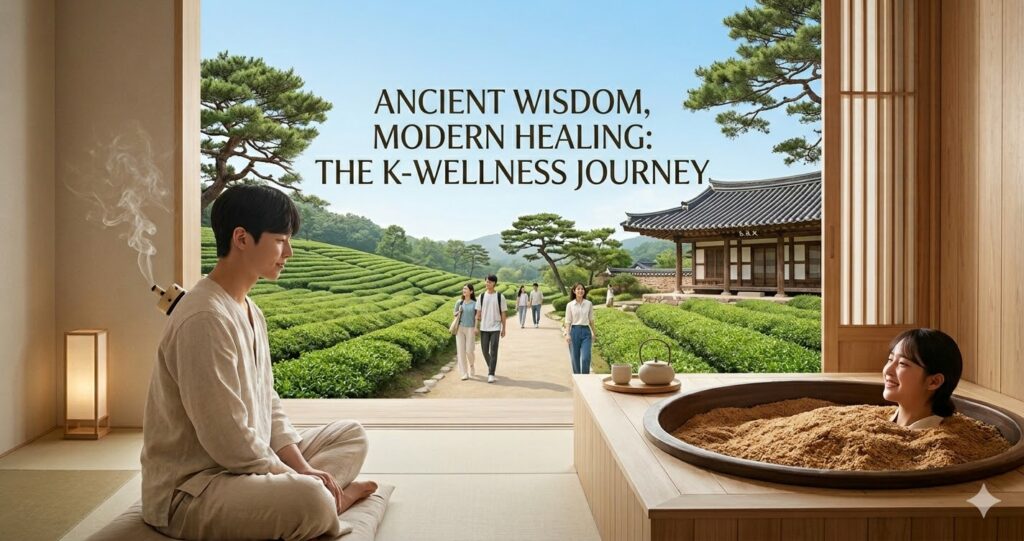
Bridging Traditions: Why Younger Generations are Hooked
The re-emergence of these practices isn’t a random occurrence. Experts and cultural observers point to a confluence of factors that make moxibustion and rice enzyme spas incredibly appealing to a modern, digitally native audience.
The modern wellness landscape is increasingly turning towards nature and authenticity. After decades of synthetic and often invasive treatments, there is a powerful counter-movement seeking out therapies with long, documented histories of safety and efficacy, particularly those rooted in local tradition. Young Koreans, in particular, are rediscovering the sophistication and effectiveness of their own cultural health practices.
Social Media as a Gateway to Ancestral Wisdom
As the script correctly notes, “the trend reflects how the digitally native generation treat traditional wellness practices as sharable experiences.” Social media platforms like Instagram and YouTube serve as a primary discovery tool. A visually unique experience, like being buried in rice bran or the artistic process of a smoky moxibustion treatment, makes for engaging content that can quickly go viral.
When younger consumers see others trying these activities and reporting positive results, they become curious. “Nowadays, when people see something on social media that’s said to be good for their health, they want to try it themselves,” explains one industry expert. This creates a powerful cultural loop where traditional wisdom is framed in a modern, relevant way, turning functional health treatments into desirable lifestyle experiences.
Affordable Luxury and Experience-Based Consumption
Another significant factor is the rise of experience-based consumption. Younger generations are shifting their spending power away from purely material goods towards unique, memorable experiences that offer personal growth or well-being. A traditional healing session provides a multi-sensory journey—the heat, the specific scent, the unusual texture—that makes it a far more impactful experience than simply buying a new health supplement.
Furthermore, these traditional practices often remain relatively affordable compared to high-end, medical-grade aesthetic procedures or luxury hotel spas. The “cost-effective wellness experience” aspect makes them accessible, allowing younger people to incorporate genuine self-care rituals into their routine without financial strain. It represents an accessible luxury that delivers both immediate physical satisfaction (soft skin, relaxed muscles) and long-term health benefits.
Redefining Therapy as a Shared Journey
Finally, these experiences are increasingly becoming social and shared activities. Groups of friends often visit moxibustion clinics or enzyme spas together, turning what might once have been an individual medical appointment into a collective wellness journey. This shift fundamentally redefines “therapy” from a chore into a modern healing experience to recharge both body and mind in a shared, communal setting.
A Future for K-Wellness Traditions
The revitalization of moxibustion and rice enzyme spas in modern Korea is a testament to the enduring power of natural, nature-integrated wisdom. These practices offer a profound alternative to the synthetic and high-octane self-care options that can often add more stress than they alleviate.
As younger generations embrace these ancient techniques, they are not only caring for their own health but also ensuring that these vital parts of Korean cultural heritage continue to evolve and find new life. The future of K-Wellness, it seems, may be found not by looking ahead, but by digging deep into the rich, warm, and natural embrace of its own past.
🌿 Weekly wellness, health & beauty insights — straight to your inbox
Free subscription · Cancel anytime