
Creating a sanctuary that nurtures your health goes far beyond eating your greens and getting enough sleep. In our modern world, we are constantly navigating an invisible sea of synthetic chemicals, endocrine disruptors, and microplastics. Living in California, I’ve seen firsthand how the wellness community is shifting away from quick dietary fixes and moving toward a much deeper, holistic approach to true health: low-tox living.
The journey to reducing your toxic load doesn’t have to happen overnight. It is about making mindful, science-backed swaps that compound over time. By combining wisdom from toxicology experts, scientific journals, and holistic wellness practices, I have compiled an essential guide to purifying your environment. Keep a mental score of how many of these 21 habits you have already mastered, and bookmark the ones you are ready to embrace.
Purifying the Air You Breathe and the Products You Apply
The average person applies dozens of chemicals to their skin before even leaving the house. Because our skin is our largest organ, what goes on it eventually makes its way inside.
1. Choose True “Fragrance-Free” Products
The single word “fragrance” hiding on the back of your skincare, dish soap, deodorant, and even toilet paper is one of the most deceptive terms in the industry. Due to trade secret laws in both the US and Europe, companies can legally mask hundreds of undisclosed chemicals under this one umbrella term. These often include carcinogens, potent allergens, and phthalates—chemicals known to disrupt your endocrine system. Always check labels specifically for “fragrance-free,” as “unscented” products often still contain masking chemicals to neutralize natural odors.
2. Harness the Power of Pure Essential Oils
Going fragrance-free doesn’t mean your life has to lack beautiful aromas. Humans are sensory beings, and scents are wired directly to the brain’s emotional center, capable of boosting our mood and triggering comforting memories. Instead of synthetic perfumes, introduce high-quality, pure essential oils into your routine. You can diffuse them or mix a few drops into your fragrance-free lotions to create a customized, holistic sensory experience without the chemical burden.

10. Detox Your Skincare and Cosmetics Routine
Your skin is composed of three primary layers, and many topical skincare products use penetration-enhancing compounds to push active ingredients deep into the dermis. Sadly, this means toxic chemicals can also be absorbed directly into your bloodstream. When they aren’t absorbed, they are often inhaled. Transition to clean beauty brands that prioritize transparent, natural ingredients and sustainable, compostable packaging.
13. Audit Your Sunscreen
Sunscreen is non-negotiable for cancer prevention and anti-aging, but the type you use matters immensely. Chemical sunscreens often contain controversial UV filters that have been banned in places like Hawaii and Thailand for destroying coral reefs, and flagged in Europe for suspected hormone-disrupting effects. To reduce the research hassle and protect your body, opt for mineral sunscreens formulated with non-nano zinc oxide or titanium dioxide. Tinted mineral sunscreens are an excellent swap, as they also reflect visible light and help combat hyperpigmentation.
Transforming Your Kitchen and Diet
Our kitchens are often ground zero for plastic and chemical exposure. Heat, friction, and acidic foods can cause harmful compounds to leach directly into our meals.
3. Stop Plastics at the Source
Plastics are synthetic polymers—imagine identical Lego blocks clipped together in a long, unbreakable chain. Because these bonds take centuries to break down, every piece of plastic ever created still exists, slowly turning into microplastics that infiltrate our soil, oceans, and even our bodies. The most effective low-tox swap is to stop bringing plastic home. Choose loose produce over bagged items, and wrap your food in natural beeswax wraps instead of cling film.
4. Switch to Glass Containers for Storage
To make plastic flexible and transparent, manufacturers use phthalates. Think of phthalates as tiny pieces of glitter lodged between those plastic Lego blocks—they easily fall out and get everywhere. Phthalates are notorious endocrine disruptors and are highly lipophilic, meaning they love to bind to fats. When you store fatty foods or warm leftovers in plastic, you are inadvertently seasoning your meals with microplastics. Invest in high-quality glass or stainless steel containers for all your food prep and storage.
5. Embrace Wood, Silicone, and Stainless Steel Utensils
Bisphenol A (BPA) is the primary building block of many rigid plastics and has been studied since the 1930s as a synthetic estrogen mimic. Every time you stir a hot soup with a plastic ladle or scrape a pan with a plastic spatula, you risk chemical leaching. Swap your kitchen utensils for natural wood, food-grade silicone, or stainless steel.
7. Dine In to Avoid Plastic Takeaway Containers
Takeaway culture is incredibly convenient, but the hidden cost is high. Heat in direct contact with plastic drastically accelerates chemical leaching. Many paper takeaway wrappers and coffee cups are actually lined with a hidden layer of plastic to prevent grease from soaking through. Make it a habit to dine in at cafes and restaurants. If you must order out, build a “takeaway survival kit” for your car, complete with metal straws, bamboo cutlery, and reusable cloth bags.
8. Never Heat Plastics
Never, under any circumstances, microwave your food in plastic containers. The combination of heat and plastic is a direct gateway for toxic migration into your meals. Furthermore, never leave plastic water bottles in a hot car or take them into a sauna. Attempting to sweat out toxins in a sauna while drinking from a heated plastic bottle completely defeats the purpose of your detox.
14. Eliminate Ultra-Processed Foods
Ultra-processed foods are chemical cocktails disguised as nourishment. They are packed with synthetic food dyes, artificial sweeteners, harsh emulsifiers, and preservatives designed to manipulate your tastebuds and extend shelf life. If your great-grandmother wouldn’t recognize the ingredients on the label, your body won’t either. Returning to a diet of whole, natural foods is one of the most profound steps you can take for your gut health, hormone balance, and overall vitality.
16. Ditch the Non-Stick Nonsense
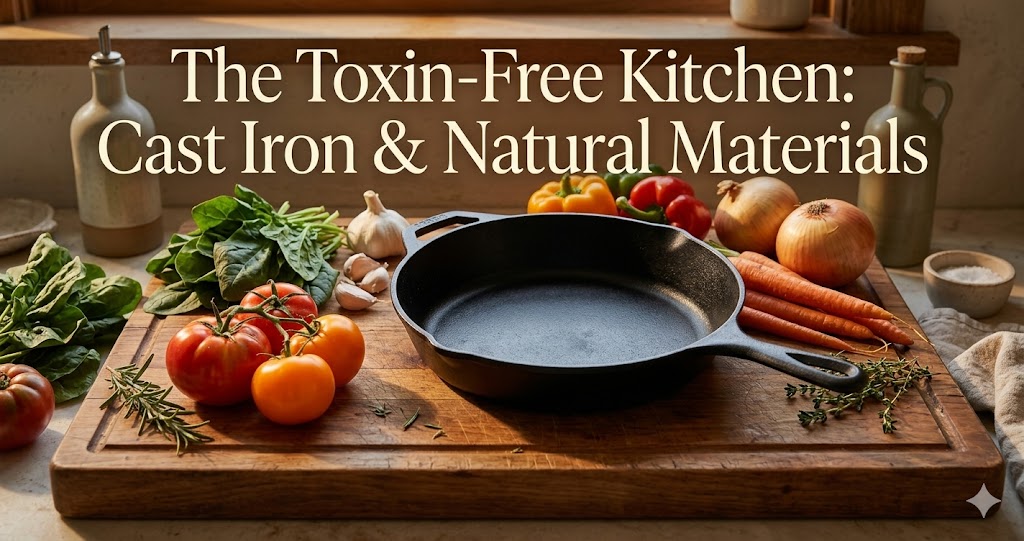
PFAS (per- and polyfluoroalkyl substances) are man-made “forever chemicals” used to make items waterproof, grease-proof, and stain-proof. The bond between carbon and fluorine in PFAS is so strong that it virtually never breaks down in nature or in your body. Despite companies knowing about the health risks since the 1960s, PFAS are still heavily used in non-stick pans. Swap your toxic Teflon for cast iron, pure ceramic, or high-quality stainless steel cookware.
17. Prioritize Organic for the “Dirty Dozen”
Pesticides are designed to kill pests, but they also decimate the vital microbes in the soil and, subsequently, the microbiome in your gut. While eating 100% organic can be financially daunting, focus your budget on the “Dirty Dozen”—the fruits and vegetables known to carry the highest pesticide residues (like berries, spinach, and apples). For foods with thick, inedible skins like avocados and pineapples (the “Clean Fifteen”), conventional options are generally safe.
18. Thoroughly Wash All Produce
Whether your produce is organic or conventional, always wash it meticulously. Rinse under cold running water for at least 20 seconds. For an even deeper clean, soak your fruits and vegetables in a solution of water and baking soda (or white vinegar) for 15 to 20 minutes before rinsing. This simple habit drastically reduces surface pesticide residue and removes environmental dirt.
Clean Water and Mindful Wardrobes
Water quality and the fabrics we wear against our skin 24/7 are two heavily overlooked areas of holistic health.
6. Install a Quality Shower Filter
A shower filter is step zero of any serious self-care routine. Municipal tap water is heavily treated with chlorine and can carry a host of other contaminants. When you take a hot shower, your pores open, and these chemicals are easily absorbed into your skin and inhaled through the steam. A good shower filter softens the water, strips away harsh chemicals, and leaves your hair and skin feeling significantly more hydrated and vibrant.
9. Invest in a Robust Drinking Water Filter
An innocent glass of tap water can carry traces of chlorine, fluoride, heavy metals, and even PFAS. To truly protect your internal ecosystem, invest in a high-quality water filtration system. Reverse osmosis (RO) systems are widely considered the gold standard for stripping away microscopic nasties, providing you with pure, safe water for drinking and cooking.
11. Build a Natural Clothing Wardrobe
It is a shocking reality that nearly 70% of modern clothing is made from plastic—synthetic fibers like polyester, nylon, and acrylic. Approximately 33% of household dust consists of microplastics shed from these textiles. Friction, body heat, and sweat make it incredibly easy for the chemicals trapped in these fabrics to enter your pores. Begin transitioning your wardrobe staples to breathable, biodegradable, natural fibers like organic cotton, hemp, linen, and wool.
12. Opt for Natural Activewear
When you are at the gym, your pores are wide open and you are sweating profusely. Unfortunately, most activewear is synthetic and treated with PFAS to make it sweat-proof and stain-proof. Wearing tight-fitting, chemical-laden polyester while exercising allows toxins direct entry into your system. Seek out sustainable brands that offer activewear made from thick organic cotton or merino wool.
15. Shop Secondhand for Less Chemical Off-Gassing
If you must buy synthetic clothing or certain household items, buying them secondhand is a brilliant low-tox hack. Used clothing has been washed multiple times, meaning the majority of the harsh toxic dyes and finishing chemicals have already been scrubbed away and off-gassed. Thrifting is not only eco-friendly and budget-conscious, but it is also genuinely safer for your skin.
A Holistic Approach to Your Home Environment
True wellness encompasses everything that surrounds you. By simplifying your cleaning routine and mastering waste management, you close the loop on a low-tox lifestyle.
19. Formulate Your Own Non-Toxic Cleaners
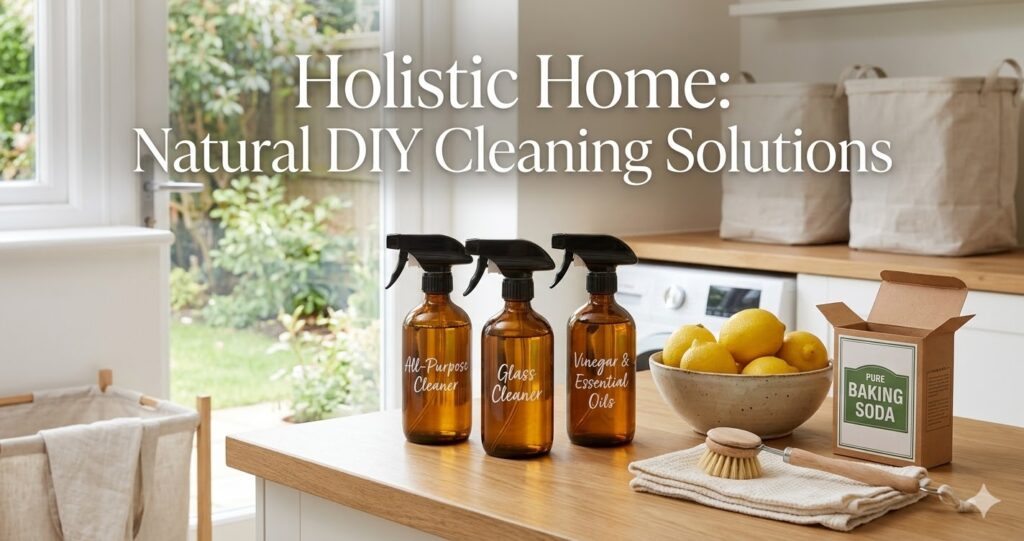
The modern household is chronically over-sanitized. Commercial chemical cleaners wipe out not only harmful pathogens but also the beneficial bacteria our immune systems need to thrive. Protect your gut health and indoor air quality by returning to time-tested, natural ingredients. White vinegar, baking soda, castile soap, and a squeeze of fresh lemon are all you need to keep your home sparkling clean without the chemical headache.
20. Learn to Identify Safer Plastics
While the goal is to eliminate plastics entirely, sometimes they are unavoidable. When you must use them, flip the item over and look for the resin identification code inside the recycling triangle. Plastics labeled 2, 4, and 5 are generally considered the safest options, as they are less prone to leaching and typically do not contain BPA or phthalates. Avoid number 3 (PVC, which is loaded with phthalates) and number 7 (which often contains BPA).
21. Master the Art of Proper Recycling
A low-tox life extends beyond your physical body; it encompasses the health of our planet. As you purge toxic items from your home, dispose of them responsibly. Do not pour chemical cleaners down the drain where they will contaminate local water supplies. Research your local municipality’s recycling guidelines, utilize take-back programs for cosmetics, and take worn-out synthetic clothing to proper textile recycling facilities. The health of the earth is a direct reflection of our own.
The Low-Tox Lifestyle Checklist
To make this transition manageable, focus on one category per week:
- Week 1: Swap out scented laundry detergents and perfumes for fragrance-free alternatives and essential oils.
- Week 2: Audit your kitchen. Box up plastic Tupperware and replace them with glass containers.
- Week 3: Install a shower filter and order a high-quality drinking water filter.
- Week 4: Make your own all-purpose surface cleaner using water and white vinegar.
Small, deliberate choices compound to create a profoundly healthy, vibrant life.
💡 자주 묻는 질문 (FAQ)
Q1: Are all essential oils safe to use directly on the skin as a substitute for synthetic fragrances?
A1: No, essential oils are highly concentrated plant extracts and should never be applied directly to the skin undiluted, as they can cause severe irritation or allergic reactions. To use them safely for skincare or body care, always mix a few drops of high-quality, pure essential oil into a “carrier oil” (like jojoba, almond, or coconut oil) or a fragrance-free lotion.
Q2: What is the most effective natural method to wash pesticides off non-organic produce?
A2: Scientific studies suggest that soaking fruits and vegetables in a solution of water and baking soda (sodium bicarbonate) is highly effective at degrading and removing surface pesticide residues. A recommended method is to mix one teaspoon of baking soda per two cups of cold water, let the produce soak for 12 to 15 minutes, and then thoroughly rinse under cold running water.
Q3: Why are mineral sunscreens considered safer than chemical sunscreens for a holistic lifestyle?
A3: Mineral sunscreens (using zinc oxide or titanium dioxide) sit on top of the skin and physically block/reflect UV rays, whereas chemical sunscreens absorb into the skin and bloodstream to convert UV rays into heat. Many chemical filters (like oxybenzone) are suspected endocrine disruptors and can cause skin irritation, making mineral options the preferred choice for reducing your body’s toxic burden.